




Filters
SORT
Product Availability –
Connection Type –
Connection Method –
Review Score –
 --%3E %3Csvg version='1.1' id='Fill' xmlns='http://www.w3.org/2000/svg' xmlns:xlink='http://www.w3.org/1999/xlink' x='0px' y='0px' viewBox='0 0 100 100' enable-background='new 0 0 100 100' xml:space='preserve'%3E %3Cpath fill='%23F15C02' d='M79.44,0.95H20.56C9.78,0.95,0.95,9.78,0.95,20.56v58.87c0,10.79,8.82,19.61,19.61,19.61h58.87 c10.79,0,19.61-8.83,19.61-19.61V20.56C99.05,9.78,90.22,0.95,79.44,0.95z M65.38,58.24l9.38,29.58L49.69,69.78L24.5,87.82 l9.34-29.6L8.8,39.6l30.73-0.17c0,0,6.98-19.61,10-28.93c0.54,1.36,9.88,29.1,9.88,29.1H91.2L65.38,58.24z'/%3E %3C/svg%3E)
 --%3E %3Csvg version='1.1' id='With-RB' xmlns='http://www.w3.org/2000/svg' xmlns:xlink='http://www.w3.org/1999/xlink' x='0px' y='0px' viewBox='0 0 100 100' enable-background='new 0 0 100 100' xml:space='preserve'%3E %3Cpath fill='%23FBC8B4' d='M79.44,0.95H20.56C9.78,0.95,0.95,9.78,0.95,20.56v58.87c0,10.79,8.82,19.61,19.61,19.61h58.87 c10.79,0,19.61-8.83,19.61-19.61V20.56C99.05,9.78,90.22,0.95,79.44,0.95z M65.38,58.24l9.38,29.58L49.69,69.78L24.5,87.82 l9.34-29.6L8.8,39.6l30.73-0.17c0,0,6.98-19.61,10-28.93c0.54,1.36,9.88,29.1,9.88,29.1H91.2L65.38,58.24z'/%3E %3C/svg%3E)
Trap Primers

 --%3E %3Csvg version='1.1' id='No-RB' xmlns='http://www.w3.org/2000/svg' xmlns:xlink='http://www.w3.org/1999/xlink' x='0px' y='0px' viewBox='0 0 100 100' enable-background='new 0 0 100 100' xml:space='preserve'%3E %3Cpath fill='%23CECECE' d='M79.44,0.95H20.56C9.78,0.95,0.95,9.78,0.95,20.56v58.87c0,10.79,8.82,19.61,19.61,19.61h58.87 c10.79,0,19.61-8.83,19.61-19.61V20.56C99.05,9.78,90.22,0.95,79.44,0.95z M65.38,58.24l9.38,29.58L49.69,69.78L24.5,87.82 l9.34-29.6L8.8,39.6l30.73-0.17c0,0,6.98-19.61,10-28.93c0.54,1.36,9.88,29.1,9.88,29.1H91.2L65.38,58.24z'/%3E %3C/svg%3E)

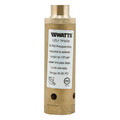
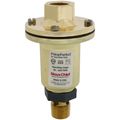
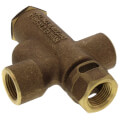

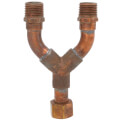
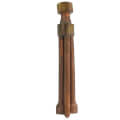
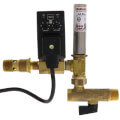
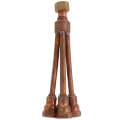
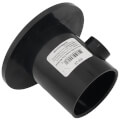
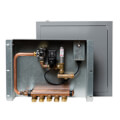


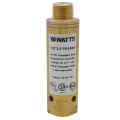
Trap primers are small plumbing devices that automatically add a measured amount of water to floor drains and other infrequently used fixture traps to keep their water seal from evaporating. A dry trap seal allows sewer gas to escape into a building through the drain opening, which is the main problem trap primers are designed to prevent. Floor drains in mechanical rooms, parking garages, and other spaces that rarely see water are the most common places a trap primer gets installed. Most primers connect to a nearby cold water supply line and release a small dose of water either on a timed cycle or whenever pressure fluctuates in the connected line, depending on the primer type. Keeping floor drain traps primed is a routine part of plumbing code compliance in many commercial and multifamily buildings.
Subcategories
- Pressure-Drop Trap Primers: Pressure-drop primers release water into the connected trap whenever there's a momentary pressure drop in the supply line, such as when a nearby fixture is used. Because they don't rely on a timer, these primers only add water when the building's plumbing system is actually being used, which limits unnecessary water use in spaces that see occasional activity. Multiple floor drains can often be served from a single pressure-drop primer through a distribution unit. Placement close to a frequently used fixture, like a restroom sink line, gives the primer more chances to trigger throughout the day.
- Electronic Trap Primers: Electronic trap primers use a timer or control module to release water into connected traps on a fixed schedule, regardless of whether nearby fixtures are in use. This style works well in buildings where water use patterns are unpredictable or where a mechanical room's traps might otherwise go unprimed for long stretches. Battery or line-voltage power options are both common, so confirming available power at the installation location matters before selecting a model. Programmable cycle timing lets a contractor adjust how often the unit primes based on how quickly a specific location's traps tend to dry out.
- Distribution Units & Fittings: Distribution units split a single trap primer's output to serve multiple floor drains from one water connection, reducing how many individual primers a building needs. Tubing, fittings, and shutoff valves connect the distribution unit to each drain, and sizing the tubing runs correctly keeps water pressure consistent across every outlet. Buildings with several floor drains grouped in one mechanical space commonly use a distribution unit instead of installing a separate primer at each drain. Labeling each line at installation makes future servicing faster when a specific drain stops receiving water.
- Replacement Parts & Valve Kits: Replacement parts for trap primers include the internal valve mechanism, diaphragms, and fittings that wear out from repeated cycling over years of service. A primer that stops releasing water, or that drips constantly, is often fixable with a valve kit rather than a full unit replacement. Matching the kit to the specific primer model and generation is important, since internal mechanisms vary between pressure-drop and electronic styles. Keeping common valve kits on hand shortens the time needed to get a dry floor drain back in compliance.
Buying Guide
Choosing between a pressure-drop and electronic trap primer usually comes down to how predictable the building's water use is. A building with steady daily fixture use, like an office restroom near a mechanical room floor drain, is often well served by a simple pressure-drop primer that triggers naturally with normal plumbing activity. A building or space with irregular or seasonal water use, such as a parking garage or storage area, may need an electronic primer on a fixed timer to keep the trap wet even during long stretches without other plumbing activity. Trap primers should be sized and placed according to how many floor drains need service and how far each drain sits from the nearest water supply line, since long tubing runs can reduce the amount of water reaching the farthest drain. For buildings with several drains clustered together, a distribution unit paired with one primer is typically more practical and easier to maintain than installing a separate unit at every drain. Confirm local plumbing code requirements before finalizing a design, since some jurisdictions specify minimum priming frequency or require primers on all floor drains in certain occupancy types. Keeping valve kits and common fittings on hand for the installed primer models reduces downtime if a unit stops cycling correctly.
Frequently Asked Questions
Why does a floor drain need a trap primer if it already has a water seal?
A trap's water seal evaporates naturally when the drain isn't used regularly, especially in mechanical rooms or storage areas that rarely see water. Once the seal dries out, sewer gas can pass through the drain opening into the building. A trap primer adds small amounts of water on a regular basis to keep that seal intact even without regular fixture use.
Should I choose a pressure-drop or electronic trap primer?
Pressure-drop primers work well in buildings with steady, predictable plumbing activity nearby, since they trigger naturally when a connected fixture is used. Electronic primers are a better fit for spaces with irregular or seasonal water use, since they operate on a fixed timer regardless of nearby activity. The right choice depends mostly on how consistently the building's plumbing system gets used.
Can one trap primer serve more than one floor drain?
Yes, a distribution unit lets a single primer serve multiple floor drains through separate tubing runs. Buildings commonly use this setup in mechanical rooms where several drains are grouped close together. Sizing the tubing correctly keeps water pressure consistent across every connected drain.
What causes a trap primer to stop working?
Worn internal valves or diaphragms are the most common cause of a primer that stops releasing water or starts dripping continuously. Sediment in the supply line can also block the small internal passages that regulate water flow. A replacement valve kit matched to the specific primer model usually resolves both issues without needing a full unit swap.
Are trap primers required by plumbing code?
Many jurisdictions require trap primers on floor drains that aren't used regularly enough to keep their seal wet on their own, particularly in commercial and multifamily buildings. Requirements vary by local code, so checking with the authority having jurisdiction before finalizing a design is the safest approach. Some occupancy types have stricter requirements than others, especially where sewer gas intrusion poses a bigger safety concern.
