



Robertshaw Appliance Water Valves

 --%3E %3Csvg version='1.1' id='Fill' xmlns='http://www.w3.org/2000/svg' xmlns:xlink='http://www.w3.org/1999/xlink' x='0px' y='0px' viewBox='0 0 100 100' enable-background='new 0 0 100 100' xml:space='preserve'%3E %3Cpath fill='%23F15C02' d='M79.44,0.95H20.56C9.78,0.95,0.95,9.78,0.95,20.56v58.87c0,10.79,8.82,19.61,19.61,19.61h58.87 c10.79,0,19.61-8.83,19.61-19.61V20.56C99.05,9.78,90.22,0.95,79.44,0.95z M65.38,58.24l9.38,29.58L49.69,69.78L24.5,87.82 l9.34-29.6L8.8,39.6l30.73-0.17c0,0,6.98-19.61,10-28.93c0.54,1.36,9.88,29.1,9.88,29.1H91.2L65.38,58.24z'/%3E %3C/svg%3E)


 --%3E %3Csvg version='1.1' id='Half' xmlns='http://www.w3.org/2000/svg' xmlns:xlink='http://www.w3.org/1999/xlink' x='0px' y='0px' viewBox='0 0 100 100' enable-background='new 0 0 100 100' xml:space='preserve'%3E %3Cg%3E %3Cpath fill='%23F15C02' d='M30.05,70.23l3.79-12.01L8.8,39.6l30.73-0.17c0,0,6.98-19.61,10-28.93c0.54,1.36,9.88,29.1,9.88,29.1h1.58 L93.71,7.18c-3.58-3.82-8.66-6.23-14.28-6.23H20.56C9.78,0.95,0.95,9.78,0.95,20.56v58.87c0,5.41,2.22,10.32,5.79,13.88 L30.05,70.23z'/%3E %3C/g%3E %3Cpath fill='%23FBC8B4' d='M93.71,7.18L60.98,39.6H91.2L65.38,58.24l9.38,29.58L49.69,69.78L24.5,87.82l5.55-17.59L6.75,93.32 c3.55,3.54,8.44,5.73,13.82,5.73h58.87c10.79,0,19.61-8.83,19.61-19.61V20.56C99.05,15.4,97.01,10.69,93.71,7.18z'/%3E %3C/svg%3E)
 --%3E %3Csvg version='1.1' id='With-RB' xmlns='http://www.w3.org/2000/svg' xmlns:xlink='http://www.w3.org/1999/xlink' x='0px' y='0px' viewBox='0 0 100 100' enable-background='new 0 0 100 100' xml:space='preserve'%3E %3Cpath fill='%23FBC8B4' d='M79.44,0.95H20.56C9.78,0.95,0.95,9.78,0.95,20.56v58.87c0,10.79,8.82,19.61,19.61,19.61h58.87 c10.79,0,19.61-8.83,19.61-19.61V20.56C99.05,9.78,90.22,0.95,79.44,0.95z M65.38,58.24l9.38,29.58L49.69,69.78L24.5,87.82 l9.34-29.6L8.8,39.6l30.73-0.17c0,0,6.98-19.61,10-28.93c0.54,1.36,9.88,29.1,9.88,29.1H91.2L65.38,58.24z'/%3E %3C/svg%3E)
 --%3E %3Csvg version='1.1' id='No-RB' xmlns='http://www.w3.org/2000/svg' xmlns:xlink='http://www.w3.org/1999/xlink' x='0px' y='0px' viewBox='0 0 100 100' enable-background='new 0 0 100 100' xml:space='preserve'%3E %3Cpath fill='%23CECECE' d='M79.44,0.95H20.56C9.78,0.95,0.95,9.78,0.95,20.56v58.87c0,10.79,8.82,19.61,19.61,19.61h58.87 c10.79,0,19.61-8.83,19.61-19.61V20.56C99.05,9.78,90.22,0.95,79.44,0.95z M65.38,58.24l9.38,29.58L49.69,69.78L24.5,87.82 l9.34-29.6L8.8,39.6l30.73-0.17c0,0,6.98-19.61,10-28.93c0.54,1.36,9.88,29.1,9.88,29.1H91.2L65.38,58.24z'/%3E %3C/svg%3E)
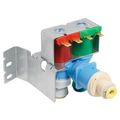

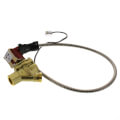
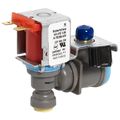

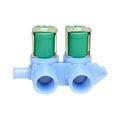

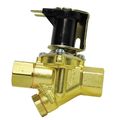
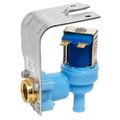

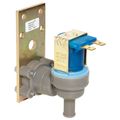
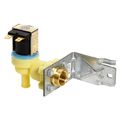

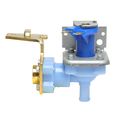
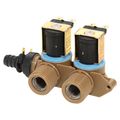

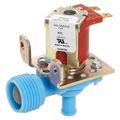

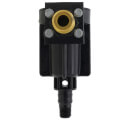
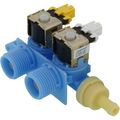
Robertshaw appliance water valves are solenoid-operated valves that control water flow into dishwashers, icemakers, coffee and tea brewing equipment, and other water-using appliances. Robertshaw's water valve lineup covers single and multi-station configurations, with an operating pressure range of 20 to 120 psi across the series. Selecting the right valve means matching station count, voltage, and connection type, brass inlet, quick connect, or threaded, to the appliance being serviced, since a valve built for a dishwasher won't necessarily fit an icemaker's plumbing or control wiring. Replacement valves are a common repair on aging appliances where the original solenoid coil has failed or the valve seat has scaled up from mineral buildup in the water supply.
Subcategories
- Single-Station Solenoid Valves: Single-station valves control water flow to a single line, commonly feeding dishwashers, coffee brewers, and cappuccino or tea brewing equipment. A single coil opens and closes the valve on demand from the appliance's control board, and a coil that's shorted or burned out is a frequent cause of an appliance that won't fill. Replacing the coil alone, rather than the entire valve body, is often enough when the valve itself hasn't scaled up.
- Icemaker Water Valves: Icemaker valves are built for residential refrigerator icemakers, metering a set volume of water into the ice mold on each cycle. A valve that's dripping or failing to shut off completely usually points to a worn seat or debris caught in the valve, both of which show up as ice cubes that are hollow, small, or fused together. Low water pressure at the refrigerator's supply line can also prevent these valves from filling completely even when the valve itself is in good condition.
- Dishwasher & Commercial Appliance Valves: Valves built for dishwashers and commercial icemakers come with a brass inlet fitting or quick-connect fitting and a mounting bracket that lets the valve connect directly to supply plumbing without putting torque on the valve body. The S-53 series is rated for 120V AC at 60Hz or 240V AC at 50/60Hz depending on the equipment, so confirming the appliance's voltage before ordering avoids a mismatched coil. A polypropylene body resists the mineral scaling that's common in higher-use commercial settings.
- Solenoid Coils & Replacement Parts: Solenoid coils are the most commonly replaced part on a Robertshaw water valve, since the coil can fail electrically while the valve body and seat are still serviceable. Matching coil voltage and resistance to the original part avoids a coil that either won't open the valve or draws more current than the appliance's control board is rated for. Keeping a small stock of common coil ratings on the truck covers most single-station and multi-station valve repairs without waiting on a full valve assembly.
Buying Guide
Diagnosing a Robertshaw appliance water valve problem starts with confirming whether the issue is electrical, a coil that won't energize, or mechanical, a valve seat that won't seal, since the fix and the replacement part differ for each. A valve that hums or buzzes but doesn't open usually has a functional coil and a stuck or scaled diaphragm, while a valve that's completely silent when the appliance calls for water points to a coil or wiring problem upstream. Robertshaw Appliance Water Valves are rated for an operating pressure between 20 and 120 psi, so checking incoming water pressure is worth doing before assuming the valve itself has failed, particularly on a well system or a building with known pressure fluctuations. Matching voltage is critical on multi-station valves used in commercial dishwashers, since a 120V coil installed on a 240V circuit won't function correctly and can damage the coil quickly. Connection type matters too: valves built with a quick-connect fitting install differently than those with a threaded or brass inlet, and swapping connection styles usually means adapting the existing supply line rather than a direct replacement. For icemaker applications, undersized or low-pressure supply lines are a more common cause of poor ice production than the valve itself, so ruling out the water line before replacing the valve saves an unnecessary parts trip. Stocking common single and dual-station valves in the most frequent voltage ratings covers the bulk of appliance service calls.
Frequently Asked Questions
How can I tell if a Robertshaw water valve has a bad coil versus a stuck valve body?
A valve that buzzes or hums when the appliance calls for water but never opens usually has a working coil and a mechanically stuck or scaled valve body. A valve that stays completely silent points to the coil, the wiring, or the appliance's control board rather than the valve mechanism itself.
What water pressure do Robertshaw appliance valves need to operate correctly?
Robertshaw's water valve lineup is rated for an operating pressure between 20 and 120 psi. Pressure below that range can prevent a valve from filling completely even when the valve itself is functioning properly, which is worth checking before replacing the part.
Can a Robertshaw valve's coil be replaced separately from the valve body?
In most cases the coil is a separate component that can be replaced without swapping the entire valve, as long as the valve body and seat are still in good condition. Matching the coil's voltage and resistance rating to the original part is important since an incorrect coil can fail to open the valve or draw excess current.
Why is an icemaker producing small or hollow ice cubes?
Small, hollow, or fused ice cubes usually point to a water valve that isn't delivering a full, consistent fill, often from a worn valve seat, debris in the valve, or low pressure at the refrigerator's supply line. Checking supply line pressure before replacing the valve helps rule out a plumbing issue rather than a valve failure.
What's the difference between single-station and multi-station appliance water valves?
Single-station valves control one water line, which covers most dishwashers, icemakers, and single-line coffee brewers, while multi-station valves control several lines independently from one valve body for equipment that fills more than one line at a time. Choosing between them depends on how many separate water functions the appliance needs to control at once.
