



Filters
SORT
Product Availability –
Size –
Max Temp (F) –
Min Temp (F) –
Connection Type –
Connection Method –
Review Score –
 --%3E %3Csvg version='1.1' id='Fill' xmlns='http://www.w3.org/2000/svg' xmlns:xlink='http://www.w3.org/1999/xlink' x='0px' y='0px' viewBox='0 0 100 100' enable-background='new 0 0 100 100' xml:space='preserve'%3E %3Cpath fill='%23F15C02' d='M79.44,0.95H20.56C9.78,0.95,0.95,9.78,0.95,20.56v58.87c0,10.79,8.82,19.61,19.61,19.61h58.87 c10.79,0,19.61-8.83,19.61-19.61V20.56C99.05,9.78,90.22,0.95,79.44,0.95z M65.38,58.24l9.38,29.58L49.69,69.78L24.5,87.82 l9.34-29.6L8.8,39.6l30.73-0.17c0,0,6.98-19.61,10-28.93c0.54,1.36,9.88,29.1,9.88,29.1H91.2L65.38,58.24z'/%3E %3C/svg%3E)
Price Range –
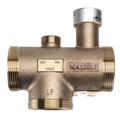
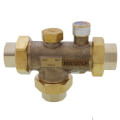
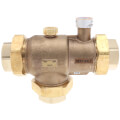
Resideo Braukmann MX Mixing Valves




 --%3E %3Csvg version='1.1' id='No-RB' xmlns='http://www.w3.org/2000/svg' xmlns:xlink='http://www.w3.org/1999/xlink' x='0px' y='0px' viewBox='0 0 100 100' enable-background='new 0 0 100 100' xml:space='preserve'%3E %3Cpath fill='%23CECECE' d='M79.44,0.95H20.56C9.78,0.95,0.95,9.78,0.95,20.56v58.87c0,10.79,8.82,19.61,19.61,19.61h58.87 c10.79,0,19.61-8.83,19.61-19.61V20.56C99.05,9.78,90.22,0.95,79.44,0.95z M65.38,58.24l9.38,29.58L49.69,69.78L24.5,87.82 l9.34-29.6L8.8,39.6l30.73-0.17c0,0,6.98-19.61,10-28.93c0.54,1.36,9.88,29.1,9.88,29.1H91.2L65.38,58.24z'/%3E %3C/svg%3E)





Resideo Braukmann MX Mixing Valves are large-flow, proportional thermostatic mixing valves that blend hot and cold water supply into a stable temperature output using the valve's own internal thermostatic element. They're commonly specified in commercial and institutional buildings, including hotels, schools, hospitals, and offices, plus space heating, radiant floor heating, and central distribution systems where large volumes of tempered water pass through a single point. The valve ships calibrated to a 130 degree F factory setting, adjustable across a 113 to 149 degree F range to match a project's specific requirement. Because the thermostatic element responds automatically to changes in hot or cold supply, the valve reduces flow within seconds if the cold water supply is interrupted, protecting against a scald hazard. This category covers the MX Series mixing valve models and related accessories carried on SupplyHouse.
Subcategories
- Mixing Valve Models: Mixing valve models blend a hot and cold water supply into a single tempered output, using the valve's internal thermostatic element to hold a consistent outlet temperature as supply conditions change. This configuration covers the most common use case for the MX Series, feeding domestic hot water systems in commercial and institutional buildings. Contractors specify a mixing valve model when a single tempered supply line needs to feed multiple fixtures or a distribution loop. Flow reduces automatically within seconds if the cold water supply is interrupted, protecting against a scald hazard.
- Diverting Valve Configurations: Diverting valve configurations use the same internal thermostatic element to route water flow between two outlets instead of blending a single output. This setup comes up in systems needing to redirect flow based on temperature rather than mix two supplies together. Space heating and central distribution systems sometimes call for a diverting configuration depending on the piping layout. Confirming which duty, mixing or diverting, a project needs before ordering avoids installing the wrong valve configuration.
- Replacement Thermostatic Elements: Replacement thermostatic elements are the internal component that senses temperature and drives the valve's mixing or diverting action. Over years of service, this element can wear and need replacement without swapping the entire valve body. Contractors servicing an older MX Series installation check this subcategory first when a valve stops holding its set temperature correctly. Matching the replacement element to the specific valve model keeps the calibration accurate after the swap.
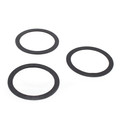
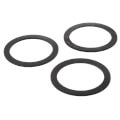
- Valve Accessories and Flanges: Valve accessories and flanges cover the connection hardware, washers, and back-up nuts used to install an MX Series valve into a piping system. A secure, leak-tight connection depends on installing the correct washers and back-up nuts specified for the flange thread size. This subcategory supports both new installations and maintenance work on an existing valve. Keeping spare flange hardware on hand avoids a delayed installation when a gasket or nut needs replacing.
Buying Guide
Sizing a Resideo Braukmann MX Mixing Valves installation starts with confirming the flow rate and outlet temperature the project needs, since these large-flow valves are built for volume applications like central domestic hot water systems and radiant floor heating loops rather than a single fixture. Undersizing the valve for the system's peak flow can prevent it from holding a stable outlet temperature under demand.
Next, confirm whether the application calls for a mixing or diverting configuration, since the two duties route water differently even though they share the same internal thermostatic element. Space heating and central distribution systems sometimes specify diverting duty depending on how the piping is laid out, so checking the project's engineering documentation before ordering avoids installing the wrong configuration.
The valve's factory calibration, set at 130 degrees F within an adjustable 113 to 149 degree F range, should be checked against the project's target outlet temperature during commissioning rather than assumed correct out of the box. Finally, since these valves rely on flanged connections with specific washers and back-up nuts to stay leak-tight, confirming the correct accessory hardware is on hand before installation day avoids a delay waiting on a missing gasket or nut.
Frequently Asked Questions
What's the difference between a mixing and a diverting Braukmann MX valve?
A mixing valve blends hot and cold supply into a single tempered output, while a diverting valve uses the same thermostatic element to route flow between two outlets instead. Both configurations respond automatically to changing supply conditions to hold a set temperature. Confirming which duty a project's piping layout calls for before ordering avoids installing the wrong configuration.
What temperature range can a Braukmann MX valve be set to?
MX Series valves are calibrated across a range of 113 to 149 degrees F, with a factory setting of 130 degrees F. Installers can adjust the set point within that range to match a specific project's requirement during commissioning. Checking the outlet temperature against project documentation rather than assuming the factory setting is correct avoids a commissioning callback.
How quickly does the valve respond if the cold water supply is interrupted?
Flow through the valve reduces within seconds of a cold water supply interruption, which helps protect against a scald hazard downstream. This automatic response comes from the valve's internal thermostatic element sensing the change in supply conditions. It's a key safety feature in the large-flow applications this valve series is built for.
Can the internal thermostatic element be replaced without swapping the whole valve?
Replacement thermostatic elements are available separately from the full valve body, since this component wears over years of service. Matching the replacement element to the specific valve model keeps the calibration accurate after the swap. This is typically the first thing checked when an older installation stops holding its set temperature correctly.
What kind of buildings typically use Braukmann MX Series valves?
This valve series is specified in commercial and institutional buildings such as hotels, schools, hospitals, and offices, along with central distribution and radiant floor heating systems. Large-flow applications where a single valve feeds multiple fixtures or a distribution loop are the primary use case. Smaller single-fixture installations typically use a different, smaller valve instead.
