




Filters
SORT
Product Availability –
Horse Power –
Voltage –
RPM –
Rotation –
Frame –
Speeds –
Review Score –
 --%3E %3Csvg version='1.1' id='Fill' xmlns='http://www.w3.org/2000/svg' xmlns:xlink='http://www.w3.org/1999/xlink' x='0px' y='0px' viewBox='0 0 100 100' enable-background='new 0 0 100 100' xml:space='preserve'%3E %3Cpath fill='%23F15C02' d='M79.44,0.95H20.56C9.78,0.95,0.95,9.78,0.95,20.56v58.87c0,10.79,8.82,19.61,19.61,19.61h58.87 c10.79,0,19.61-8.83,19.61-19.61V20.56C99.05,9.78,90.22,0.95,79.44,0.95z M65.38,58.24l9.38,29.58L49.69,69.78L24.5,87.82 l9.34-29.6L8.8,39.6l30.73-0.17c0,0,6.98-19.61,10-28.93c0.54,1.36,9.88,29.1,9.88,29.1H91.2L65.38,58.24z'/%3E %3C/svg%3E)
 --%3E %3Csvg version='1.1' id='With-RB' xmlns='http://www.w3.org/2000/svg' xmlns:xlink='http://www.w3.org/1999/xlink' x='0px' y='0px' viewBox='0 0 100 100' enable-background='new 0 0 100 100' xml:space='preserve'%3E %3Cpath fill='%23FBC8B4' d='M79.44,0.95H20.56C9.78,0.95,0.95,9.78,0.95,20.56v58.87c0,10.79,8.82,19.61,19.61,19.61h58.87 c10.79,0,19.61-8.83,19.61-19.61V20.56C99.05,9.78,90.22,0.95,79.44,0.95z M65.38,58.24l9.38,29.58L49.69,69.78L24.5,87.82 l9.34-29.6L8.8,39.6l30.73-0.17c0,0,6.98-19.61,10-28.93c0.54,1.36,9.88,29.1,9.88,29.1H91.2L65.38,58.24z'/%3E %3C/svg%3E)
Price Range –
Rheem Blower Motors

 --%3E %3Csvg version='1.1' id='No-RB' xmlns='http://www.w3.org/2000/svg' xmlns:xlink='http://www.w3.org/1999/xlink' x='0px' y='0px' viewBox='0 0 100 100' enable-background='new 0 0 100 100' xml:space='preserve'%3E %3Cpath fill='%23CECECE' d='M79.44,0.95H20.56C9.78,0.95,0.95,9.78,0.95,20.56v58.87c0,10.79,8.82,19.61,19.61,19.61h58.87 c10.79,0,19.61-8.83,19.61-19.61V20.56C99.05,9.78,90.22,0.95,79.44,0.95z M65.38,58.24l9.38,29.58L49.69,69.78L24.5,87.82 l9.34-29.6L8.8,39.6l30.73-0.17c0,0,6.98-19.61,10-28.93c0.54,1.36,9.88,29.1,9.88,29.1H91.2L65.38,58.24z'/%3E %3C/svg%3E)
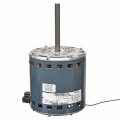
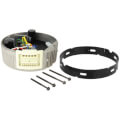
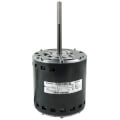
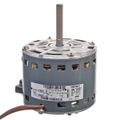
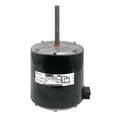
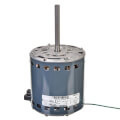
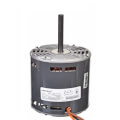

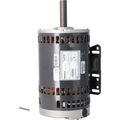
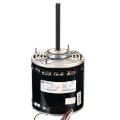
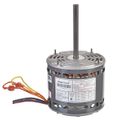
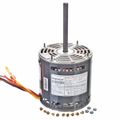
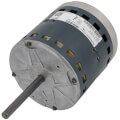
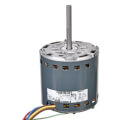

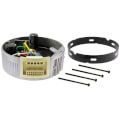
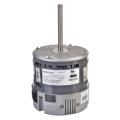
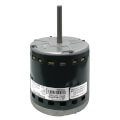
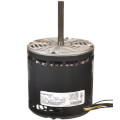
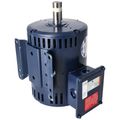
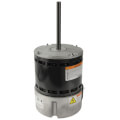
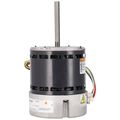
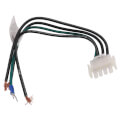
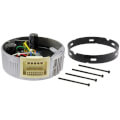
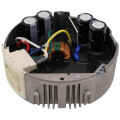
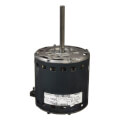
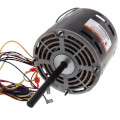
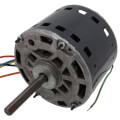
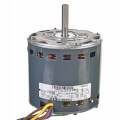
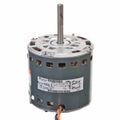
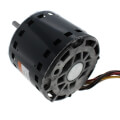
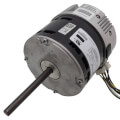
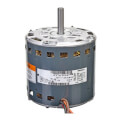
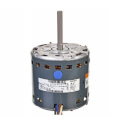

Rheem blower motors are the components responsible for circulating air through Rheem furnaces and air handlers, pulling return air across the heat exchanger or coil and pushing it out through the supply ductwork. Two main motor types appear across the Rheem lineup: fixed-speed permanent split capacitor motors used in standard efficiency equipment, and variable-speed electronically commutated motors used in higher efficiency systems that adjust airflow more precisely to the load. Matching the replacement motor to the specific furnace or air handler model matters more than matching horsepower alone, since mounting configuration, rotation direction, and control wiring differ between motor types. A blower motor that fails often shows symptoms similar to other airflow problems, such as reduced heating or cooling output and unusual noise, so confirming the motor is actually the failed component avoids an unnecessary replacement. Technicians typically verify motor failure with an amperage or resistance test before ordering a new unit.
Subcategories
- PSC Blower Motors: PSC blower motors run at a fixed speed set by their design and are common in standard efficiency Rheem furnaces and air handlers built before variable-speed technology became widespread. These motors are generally less expensive to replace than variable-speed models and use simpler control wiring. A failed capacitor is a frequent cause of a PSC motor that hums but does not spin, so checking the capacitor before condemning the motor itself can save an unnecessary replacement. Rotation direction and shaft size need to match the original motor exactly when ordering a replacement.
- Variable-Speed ECM Motors: Variable-speed electronically commutated motors adjust their speed automatically to match airflow demand, which improves comfort and can lower energy use compared with a fixed-speed motor running at full output continuously. These motors rely on a control module that communicates with the furnace or air handler's board, so a failure can originate in either the motor or the control module rather than the motor alone. Diagnosing which component has failed typically requires checking fault codes on the equipment's control board before replacing parts. Replacement ECM motors often need to be programmed or matched to the specific equipment model after installation.
- Motor Mounts & Brackets: Motor mounts and brackets secure the blower motor to the equipment's housing and absorb vibration during operation. A cracked or worn mount can allow the motor to shift slightly, leading to noise or premature wear on the blower wheel shaft. These parts are inexpensive relative to the motor itself, so replacing a worn mount during a motor swap is a reasonable precaution rather than reusing old hardware. Mounting bracket dimensions vary across different furnace and air handler cabinet designs.
- Motor Run Capacitors: Motor run capacitors provide the electrical boost that keeps a PSC blower motor running at the correct speed and torque after startup. A weakened capacitor is one of the most common reasons a blower motor runs slower than normal, overheats, or fails to start at all. Capacitors are rated by microfarad value and voltage, and both need to match the original part exactly for the motor to run correctly. Replacing a capacitor is a far less expensive repair than replacing the blower motor it supports.
Buying Guide
Diagnosing a blower problem correctly before ordering Rheem Blower Motors saves an unnecessary replacement, since symptoms like reduced airflow or a humming motor that will not start are frequently caused by a failed capacitor or control module rather than the motor itself. Fixed-speed PSC motors are typically found in standard efficiency Rheem furnaces and air handlers, and they pair with a separate run capacitor that should be tested alongside the motor when diagnosing a no-start condition. Variable-speed ECM motors appear in higher efficiency equipment and rely on communication with the unit's control board, so a technician should check for fault codes on that board before assuming the motor has failed, since a bad control module can produce similar symptoms. Replacement motors need to match the original in mounting configuration, shaft size, and rotation direction, not just horsepower, since a physically incompatible motor will not install correctly even if its electrical rating matches. Motor mounts and brackets are worth replacing alongside an aging motor when they show cracking or wear, since a failing mount can shorten the life of a brand-new motor through added vibration. Buyers should confirm whether their equipment uses a PSC or ECM motor before ordering, since the two types are not interchangeable and require different control wiring.
Frequently Asked Questions
How can a technician tell if a Rheem blower motor has actually failed?
Testing the motor's amperage draw or winding resistance, and checking the run capacitor on PSC models, confirms the motor itself is at fault before ordering a replacement.
Can a PSC blower motor be replaced with an ECM motor?
The two motor types use different control wiring and are generally not interchangeable without also changing other components, so replacements should match the original motor type.
What is the most common reason a PSC blower motor hums but does not start?
A weakened run capacitor is one of the most frequent causes, since it can no longer provide the electrical boost the motor needs to overcome starting torque.
Why would a variable-speed blower motor stop working even if the motor tests fine?
The equipment's control board can produce fault codes indicating a communication or control module issue, which can prevent an otherwise functional ECM motor from running.
Does the motor mount need to be replaced along with the motor?
A cracked or worn mount is worth replacing during a motor swap, since it can cause vibration that shortens the life of a new motor even when the mount itself did not cause the original failure.
