




Saws & Blades
Saws and blades are cutting tools that plumbing, HVAC, and electrical contractors rely on. They cut pipe, duct, conduit, and framing material on the jobsite. The category spans hand saws, power saw blades, and specialty cutting accessories built for metal, plastic, and wood applications. Picking the right blade for the material and the right saw for the space keeps cuts clean and jobs moving without extra rework.
Trade professionals typically carry more than one saw type because no single blade handles every material or work area efficiently. A blade suited for steel pipe wears out quickly on plastic, and a compact hand saw reaches into tight wall cavities where a full-size power saw cannot fit. Matching the tool to the cutting task cuts down on blade replacement and keeps rough-in and demolition work on schedule.

Subcategories
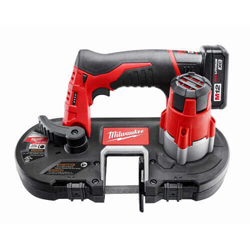
- Band Saws & Blades: Band saws give contractors a steady, controlled cut through metal pipe, conduit, and stock material. The continuous blade loop is well suited to repeated cuts on a bench or portable stand. Techs use band saw blades for cutting tubing, rod, and structural steel where a straight, consistent kerf matters. Blade tooth pitch is chosen based on material thickness, with finer teeth for thin-wall stock and coarser teeth for thicker sections.
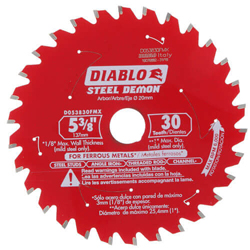
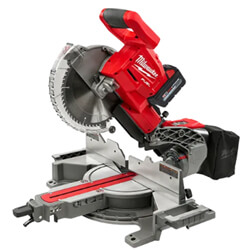
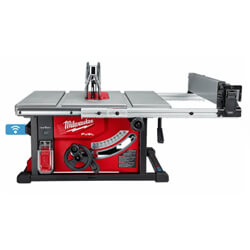
- Circular Saws & Blades: Circular saws and their blades handle straight cuts through wood, plastic, and composite building materials. They are used during framing, subfloor, and duct enclosure work. Contractors swap blades based on the material, using a fine-tooth blade for clean finish cuts and a coarser blade for fast rough cuts. A sharp, properly matched blade reduces kickback and keeps the cut line accurate.
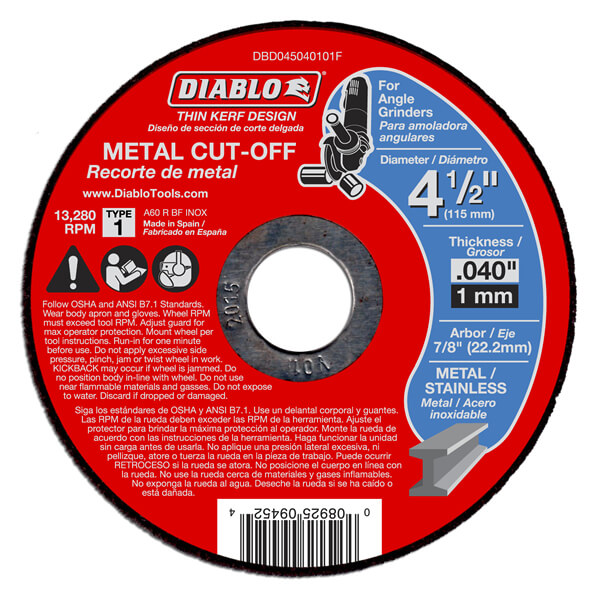
- Cut-Off Saws & Discs: Cut-off saws and abrasive discs are built for cutting through metal pipe, rebar, and strut. They suit demolition and rough-in work where speed matters more than a finished edge. Techs pick disc type based on the metal being cut, since a disc rated for steel wears out fast on stainless or cast iron. Cut-off tools see heavy use on jobsites where pipe and conduit need to be cut to length quickly.
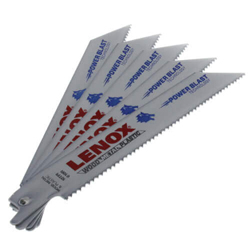
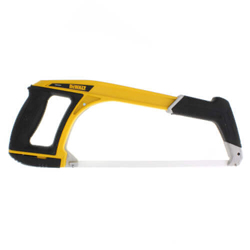
- Hacksaws & Blades: Hacksaws and their replacement blades remain a jobsite staple for cutting pipe, bolts, and small-diameter metal stock in spots too tight for a powered saw. Blade selection depends on teeth per inch, with a higher count suited to thin-wall tubing and a lower count for thicker pipe and rod. A hacksaw is often the backup tool a plumber or HVAC tech reaches for when a power saw cannot reach the cut.
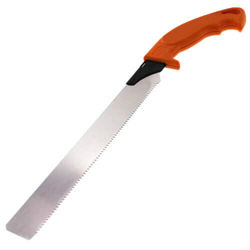
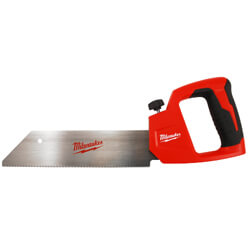
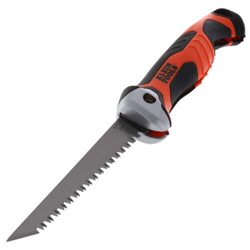
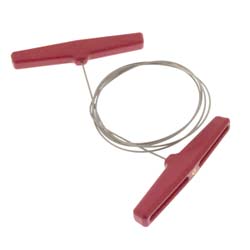
- Hand Saws: Hand saws cover a range of manual cutting tools for wood, plastic pipe, and drywall where a corded or cordless saw is impractical. Contractors use them for finish carpentry around fixtures, notching framing members, and cutting PVC or ABS pipe in confined spaces. A quality hand saw holds an edge through repeated use and cuts a straighter line than a dull or mismatched blade.
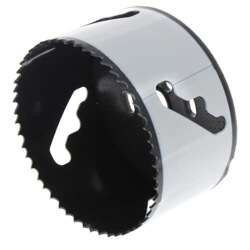
- Hole Saws: Hole saws cut round openings through wood, metal, and plastic for pipe, conduit, and fixture penetrations. They mount to a standard drill or drill press rather than a dedicated saw body. Plumbers and electricians select hole saw diameter to match the pipe or conduit passing through, and tooth design varies for wood versus metal cutting. Interchangeable hole saw cups let a single arbor cover a range of common penetration sizes.
Buying Guide
Choosing the right saw and blade for a job starts with the material being cut. Metal pipe and conduit call for a blade with a tooth pitch matched to wall thickness. Wood and plastic framing materials cut cleaner with blades designed specifically for those materials. Using a metal-cutting blade on wood, or the reverse, wastes the blade and produces a rougher cut.
The work environment matters as much as the material. For tight wall cavities, crawl spaces, or attic runs, favor compact hand saws or hole saws that fit through a stud bay. Open framing and bench work can make use of larger circular or band saws. Contractors who work primarily in finished spaces often keep a hand saw or jab saw on hand for spots a power tool cannot reach.
Blade life is a real cost factor on top of the sticker price. A blade rated for the wrong material dulls fast and needs replacing more often, which adds up across a crew running multiple jobs a week. Stocking the correct blade type for each common cutting task, rather than trying to make one blade do everything, keeps replacement costs down over time.
Safety and control go together with tool selection. A saw that is too aggressive for the space, or a blade mismatched to the material, increases the chance of kickback or a wandering cut line. Contractors working near finished walls, fixtures, or existing wiring benefit from a saw sized and geared for a controlled, slower cut rather than the fastest option available.
A core set of saws and blades should cover metal, wood, and plastic cutting. Add a hole saw kit for common pipe and conduit sizes. Together they cover most everyday plumbing, HVAC, and electrical rough-in work. Keep replacement blades on hand for the blade types used most often. A dull blade slows a job as much as not having the right saw at all.
Frequently Asked Questions
What blade should I use to cut copper pipe?
A fine-tooth hacksaw blade or a band saw blade with a higher tooth count works well on copper pipe. Copper is soft, so a coarse blade can grab or tear the material. A tubing cutter is also a common alternative for clean, square cuts on copper.
Can the same blade cut both metal and PVC pipe?
Some blades are labeled for multi-material use, but a blade optimized for one material generally performs and lasts better on that material alone. Dedicated metal-cutting and plastic-cutting blades typically outlast a general-purpose blade on their respective materials.
What size hole saw do I need for standard conduit?
Hole saw diameter should match the outside diameter of the conduit or pipe passing through, with a small amount of clearance for fit. Checking the conduit or pipe specification before selecting a hole saw avoids an opening that is too tight or too loose.
Why does a cut-off disc wear out so quickly on stainless steel?
Discs rated for standard steel are not designed for the added hardness of stainless steel, so they wear down faster and can overheat the cut edge. Using a disc rated specifically for stainless or hardened metal extends disc life and produces a cleaner cut.
Is a hand saw still useful when a cordless circular saw is available?
Yes. A hand saw reaches into tight cavities, notches, and finish areas where a circular saw body will not fit. It also gives more control for short, precise cuts near finished surfaces. Most crews keep both on hand for different parts of the same job.
Resources
Subcategories
- Band Saws & Blades: Band saws give contractors a steady, controlled cut through metal pipe, conduit, and stock material. The continuous blade loop is well suited to repeated cuts on a bench or portable stand. Techs use band saw blades for cutting tubing, rod, and structural steel where a straight, consistent kerf matters. Blade tooth pitch is chosen based on material thickness, with finer teeth for thin-wall stock and coarser teeth for thicker sections.
- Circular Saws & Blades: Circular saws and their blades handle straight cuts through wood, plastic, and composite building materials. They are used during framing, subfloor, and duct enclosure work. Contractors swap blades based on the material, using a fine-tooth blade for clean finish cuts and a coarser blade for fast rough cuts. A sharp, properly matched blade reduces kickback and keeps the cut line accurate.
- Cut-Off Saws & Discs: Cut-off saws and abrasive discs are built for cutting through metal pipe, rebar, and strut. They suit demolition and rough-in work where speed matters more than a finished edge. Techs pick disc type based on the metal being cut, since a disc rated for steel wears out fast on stainless or cast iron. Cut-off tools see heavy use on jobsites where pipe and conduit need to be cut to length quickly.
- Hacksaws & Blades: Hacksaws and their replacement blades remain a jobsite staple for cutting pipe, bolts, and small-diameter metal stock in spots too tight for a powered saw. Blade selection depends on teeth per inch, with a higher count suited to thin-wall tubing and a lower count for thicker pipe and rod. A hacksaw is often the backup tool a plumber or HVAC tech reaches for when a power saw cannot reach the cut.
- Hand Saws: Hand saws cover a range of manual cutting tools for wood, plastic pipe, and drywall where a corded or cordless saw is impractical. Contractors use them for finish carpentry around fixtures, notching framing members, and cutting PVC or ABS pipe in confined spaces. A quality hand saw holds an edge through repeated use and cuts a straighter line than a dull or mismatched blade.
- Hole Saws: Hole saws cut round openings through wood, metal, and plastic for pipe, conduit, and fixture penetrations. They mount to a standard drill or drill press rather than a dedicated saw body. Plumbers and electricians select hole saw diameter to match the pipe or conduit passing through, and tooth design varies for wood versus metal cutting. Interchangeable hole saw cups let a single arbor cover a range of common penetration sizes.
Buying Guide
Choosing the right saw and blade for a job starts with the material being cut. Metal pipe and conduit call for a blade with a tooth pitch matched to wall thickness. Wood and plastic framing materials cut cleaner with blades designed specifically for those materials. Using a metal-cutting blade on wood, or the reverse, wastes the blade and produces a rougher cut.
The work environment matters as much as the material. For tight wall cavities, crawl spaces, or attic runs, favor compact hand saws or hole saws that fit through a stud bay. Open framing and bench work can make use of larger circular or band saws. Contractors who work primarily in finished spaces often keep a hand saw or jab saw on hand for spots a power tool cannot reach.
Blade life is a real cost factor on top of the sticker price. A blade rated for the wrong material dulls fast and needs replacing more often, which adds up across a crew running multiple jobs a week. Stocking the correct blade type for each common cutting task, rather than trying to make one blade do everything, keeps replacement costs down over time.
Safety and control go together with tool selection. A saw that is too aggressive for the space, or a blade mismatched to the material, increases the chance of kickback or a wandering cut line. Contractors working near finished walls, fixtures, or existing wiring benefit from a saw sized and geared for a controlled, slower cut rather than the fastest option available.
A core set of saws and blades should cover metal, wood, and plastic cutting. Add a hole saw kit for common pipe and conduit sizes. Together they cover most everyday plumbing, HVAC, and electrical rough-in work. Keep replacement blades on hand for the blade types used most often. A dull blade slows a job as much as not having the right saw at all.
Frequently Asked Questions
What blade should I use to cut copper pipe?
A fine-tooth hacksaw blade or a band saw blade with a higher tooth count works well on copper pipe. Copper is soft, so a coarse blade can grab or tear the material. A tubing cutter is also a common alternative for clean, square cuts on copper.
Can the same blade cut both metal and PVC pipe?
Some blades are labeled for multi-material use, but a blade optimized for one material generally performs and lasts better on that material alone. Dedicated metal-cutting and plastic-cutting blades typically outlast a general-purpose blade on their respective materials.
What size hole saw do I need for standard conduit?
Hole saw diameter should match the outside diameter of the conduit or pipe passing through, with a small amount of clearance for fit. Checking the conduit or pipe specification before selecting a hole saw avoids an opening that is too tight or too loose.
Why does a cut-off disc wear out so quickly on stainless steel?
Discs rated for standard steel are not designed for the added hardness of stainless steel, so they wear down faster and can overheat the cut edge. Using a disc rated specifically for stainless or hardened metal extends disc life and produces a cleaner cut.
Is a hand saw still useful when a cordless circular saw is available?
Yes. A hand saw reaches into tight cavities, notches, and finish areas where a circular saw body will not fit. It also gives more control for short, precise cuts near finished surfaces. Most crews keep both on hand for different parts of the same job.