




Band Saws & Blades


 --%3E %3Csvg version='1.1' id='Fill' xmlns='http://www.w3.org/2000/svg' xmlns:xlink='http://www.w3.org/1999/xlink' x='0px' y='0px' viewBox='0 0 100 100' enable-background='new 0 0 100 100' xml:space='preserve'%3E %3Cpath fill='%23F15C02' d='M79.44,0.95H20.56C9.78,0.95,0.95,9.78,0.95,20.56v58.87c0,10.79,8.82,19.61,19.61,19.61h58.87 c10.79,0,19.61-8.83,19.61-19.61V20.56C99.05,9.78,90.22,0.95,79.44,0.95z M65.38,58.24l9.38,29.58L49.69,69.78L24.5,87.82 l9.34-29.6L8.8,39.6l30.73-0.17c0,0,6.98-19.61,10-28.93c0.54,1.36,9.88,29.1,9.88,29.1H91.2L65.38,58.24z'/%3E %3C/svg%3E)


 --%3E %3Csvg version='1.1' id='No-RB' xmlns='http://www.w3.org/2000/svg' xmlns:xlink='http://www.w3.org/1999/xlink' x='0px' y='0px' viewBox='0 0 100 100' enable-background='new 0 0 100 100' xml:space='preserve'%3E %3Cpath fill='%23CECECE' d='M79.44,0.95H20.56C9.78,0.95,0.95,9.78,0.95,20.56v58.87c0,10.79,8.82,19.61,19.61,19.61h58.87 c10.79,0,19.61-8.83,19.61-19.61V20.56C99.05,9.78,90.22,0.95,79.44,0.95z M65.38,58.24l9.38,29.58L49.69,69.78L24.5,87.82 l9.34-29.6L8.8,39.6l30.73-0.17c0,0,6.98-19.61,10-28.93c0.54,1.36,9.88,29.1,9.88,29.1H91.2L65.38,58.24z'/%3E %3C/svg%3E)

 --%3E %3Csvg version='1.1' id='Half' xmlns='http://www.w3.org/2000/svg' xmlns:xlink='http://www.w3.org/1999/xlink' x='0px' y='0px' viewBox='0 0 100 100' enable-background='new 0 0 100 100' xml:space='preserve'%3E %3Cg%3E %3Cpath fill='%23F15C02' d='M30.05,70.23l3.79-12.01L8.8,39.6l30.73-0.17c0,0,6.98-19.61,10-28.93c0.54,1.36,9.88,29.1,9.88,29.1h1.58 L93.71,7.18c-3.58-3.82-8.66-6.23-14.28-6.23H20.56C9.78,0.95,0.95,9.78,0.95,20.56v58.87c0,5.41,2.22,10.32,5.79,13.88 L30.05,70.23z'/%3E %3C/g%3E %3Cpath fill='%23FBC8B4' d='M93.71,7.18L60.98,39.6H91.2L65.38,58.24l9.38,29.58L49.69,69.78L24.5,87.82l5.55-17.59L6.75,93.32 c3.55,3.54,8.44,5.73,13.82,5.73h58.87c10.79,0,19.61-8.83,19.61-19.61V20.56C99.05,15.4,97.01,10.69,93.71,7.18z'/%3E %3C/svg%3E)
 --%3E %3Csvg version='1.1' id='With-RB' xmlns='http://www.w3.org/2000/svg' xmlns:xlink='http://www.w3.org/1999/xlink' x='0px' y='0px' viewBox='0 0 100 100' enable-background='new 0 0 100 100' xml:space='preserve'%3E %3Cpath fill='%23FBC8B4' d='M79.44,0.95H20.56C9.78,0.95,0.95,9.78,0.95,20.56v58.87c0,10.79,8.82,19.61,19.61,19.61h58.87 c10.79,0,19.61-8.83,19.61-19.61V20.56C99.05,9.78,90.22,0.95,79.44,0.95z M65.38,58.24l9.38,29.58L49.69,69.78L24.5,87.82 l9.34-29.6L8.8,39.6l30.73-0.17c0,0,6.98-19.61,10-28.93c0.54,1.36,9.88,29.1,9.88,29.1H91.2L65.38,58.24z'/%3E %3C/svg%3E)





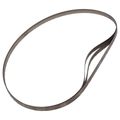


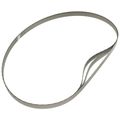


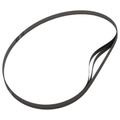




Band Saws & Blades cover the portable and stationary cutting tools trade professionals rely on for fast, straight cuts through metal pipe, conduit, strut, and threaded rod. A portable band saw uses a continuous toothed blade looped around two wheels, letting an installer cut through material up to an inch or more thick without the sparks and heat buildup of an abrasive wheel. Blade tooth count matters as much as the saw itself: a 10 TPI blade is built for material between 5/16 inch and 1/2 inch thick, while higher tooth counts handle thinner-wall stock like conduit and copper tube. Deep-cut blades run 44-7/8 inches long, and compact blades measure 35-3/8 inches, so matching blade length to saw model keeps tension correct and extends blade life. Picking the right combination of saw and blade cuts down on wasted stock, broken teeth, and callbacks on the jobsite.
Subcategories
- Deep-Cut Portable Band Saw Blades: Deep-cut blades measure 44-7/8 inches long and fit standard-size portable band saws used for daily rough-in and retrofit work. Plumbers and electricians reach for these blades when cutting threaded rod, strut, and copper tube in mechanical rooms and finished spaces. Tooth counts of 10, 14, and 18 TPI are available in this length, letting one saw handle everything from heavy pipe to thin conduit.
- Compact Portable Band Saw Blades: Compact blades run 35-3/8 inches long and pair with smaller, lighter band saws built for one-handed use in cramped spaces. An 18 TPI tooth count is standard in this length, tuned for thin-wall conduit, angle iron, and copper tube rather than heavy stock. Installers favor the shorter blade and saw combination for attic, crawlspace, and cabinet work where a full-size saw will not fit.
- Low-TPI Blades for Heavy Metal: A 10 TPI blade is built for material between 5/16 inch and 1/2 inch thick, the range where thicker angle iron, heavy strut, and solid rod live. Fewer, larger teeth clear more material per pass and resist clogging in ductile metal. Crews cutting structural supports or heavy-wall pipe reach for this tooth count before switching to a finer blade.
- High-TPI Blades for Thin-Wall Metal: Blades in the 14 to 18 TPI range are built for strut, conduit, copper tube, and threaded rod, where thinner walls need more teeth in contact with the material to avoid snagging. Electricians and HVAC installers use these blades on the thin-gauge stock found in most rough-in work. A finer tooth count also leaves a cleaner edge that needs less deburring before fittings go on.
Buying Guide
Start with the saw's blade length before shopping tooth counts. A saw built for 44-7/8 inch blades will not accept a 35-3/8 inch blade, and running the wrong length strains the wheels and drive mechanism. Match the saw to the work: a full-size deep-cut model handles daily bench and shop cutting, while a compact saw earns its keep in attics, crawlspaces, and tight mechanical closets where reach and weight matter more than raw cutting speed. Once the saw is settled, pick tooth count by material thickness rather than material type alone. A 10 TPI blade clears thick angle iron and solid rod fast but chatters and dulls quickly on thin conduit, while an 18 TPI blade leaves a clean cut on thin-wall stock but bogs down in anything heavier than a half inch. Crews who cut a mix of pipe sizes on the same job often keep both a low and high TPI blade on hand rather than compromising with a middle tooth count. When shopping Band Saws & Blades, check that the blade material and coating match the metal being cut, since bi-metal and high-speed steel blades hold an edge longer in ferrous metal than standard carbon blades. Buying a few spare blades alongside the saw avoids a mid-job run for supplies when a blade snaps or dulls.
Frequently Asked Questions
What TPI blade should I use for cutting copper pipe?
Copper tube runs thin enough that an 18 TPI band saw blade gives the cleanest cut without snagging or leaving burrs. Lower tooth counts like 10 TPI are built for thicker material and tend to grab thin-wall copper instead of cutting through it smoothly. Sticking with a higher TPI blade on copper also extends blade life since fewer teeth are stressed per pass.
Can a deep-cut blade fit a compact band saw?
Deep-cut blades measure 44-7/8 inches long, while compact saws are built around a 35-3/8 inch blade loop, so the two are not interchangeable. Forcing the wrong length onto a saw's wheels throws off blade tension and can damage the drive mechanism. Matching blade length to the saw model listed by the manufacturer keeps the saw running as designed.
What is the difference between a portable and stationary band saw?
A portable band saw is handheld and built for cutting pipe, conduit, and rod on the jobsite, while a stationary band saw sits on a stand or bench for cutting stock brought to the shop. Portable saws favor lighter blades and shorter cutting cycles, while stationary saws handle larger, repetitive cuts with more consistent pressure. Trade crews often keep a portable saw in the truck and a stationary saw at the shop for different stages of a job.
How often should band saw blades be replaced?
Blade life on a band saw depends on tooth count, material, and how often the saw runs, but chipped or missing teeth, burning smells, or slower cuts are signs a blade is done. Continuing to run a dull blade puts extra strain on the saw's motor and gearbox. Keeping a spare blade in the correct length and TPI on hand avoids downtime when a blade fails mid-job.
What thickness of metal can a 10 TPI blade cut?
A 10 TPI band saw blade is built for material between 5/16 inch and 1/2 inch thick, covering heavier stock like solid rod, angle iron, and thick strut. Using a 10 TPI blade on thinner material like conduit tends to grab and chatter instead of cutting cleanly. Matching tooth count to the material thickness on hand is the fastest way to avoid a ruined cut.
