




Filters
SORT
Product Availability –
Diameter (Inches) –
Material –
Review Score –
 --%3E %3Csvg version='1.1' id='Fill' xmlns='http://www.w3.org/2000/svg' xmlns:xlink='http://www.w3.org/1999/xlink' x='0px' y='0px' viewBox='0 0 100 100' enable-background='new 0 0 100 100' xml:space='preserve'%3E %3Cpath fill='%23F15C02' d='M79.44,0.95H20.56C9.78,0.95,0.95,9.78,0.95,20.56v58.87c0,10.79,8.82,19.61,19.61,19.61h58.87 c10.79,0,19.61-8.83,19.61-19.61V20.56C99.05,9.78,90.22,0.95,79.44,0.95z M65.38,58.24l9.38,29.58L49.69,69.78L24.5,87.82 l9.34-29.6L8.8,39.6l30.73-0.17c0,0,6.98-19.61,10-28.93c0.54,1.36,9.88,29.1,9.88,29.1H91.2L65.38,58.24z'/%3E %3C/svg%3E)
 --%3E %3Csvg version='1.1' id='With-RB' xmlns='http://www.w3.org/2000/svg' xmlns:xlink='http://www.w3.org/1999/xlink' x='0px' y='0px' viewBox='0 0 100 100' enable-background='new 0 0 100 100' xml:space='preserve'%3E %3Cpath fill='%23FBC8B4' d='M79.44,0.95H20.56C9.78,0.95,0.95,9.78,0.95,20.56v58.87c0,10.79,8.82,19.61,19.61,19.61h58.87 c10.79,0,19.61-8.83,19.61-19.61V20.56C99.05,9.78,90.22,0.95,79.44,0.95z M65.38,58.24l9.38,29.58L49.69,69.78L24.5,87.82 l9.34-29.6L8.8,39.6l30.73-0.17c0,0,6.98-19.61,10-28.93c0.54,1.36,9.88,29.1,9.88,29.1H91.2L65.38,58.24z'/%3E %3C/svg%3E)
Price Range –
Sleeves



 --%3E %3Csvg version='1.1' id='No-RB' xmlns='http://www.w3.org/2000/svg' xmlns:xlink='http://www.w3.org/1999/xlink' x='0px' y='0px' viewBox='0 0 100 100' enable-background='new 0 0 100 100' xml:space='preserve'%3E %3Cpath fill='%23CECECE' d='M79.44,0.95H20.56C9.78,0.95,0.95,9.78,0.95,20.56v58.87c0,10.79,8.82,19.61,19.61,19.61h58.87 c10.79,0,19.61-8.83,19.61-19.61V20.56C99.05,9.78,90.22,0.95,79.44,0.95z M65.38,58.24l9.38,29.58L49.69,69.78L24.5,87.82 l9.34-29.6L8.8,39.6l30.73-0.17c0,0,6.98-19.61,10-28.93c0.54,1.36,9.88,29.1,9.88,29.1H91.2L65.38,58.24z'/%3E %3C/svg%3E)
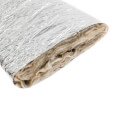
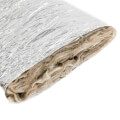
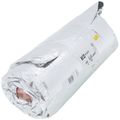
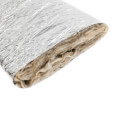
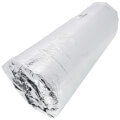

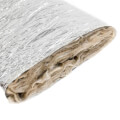


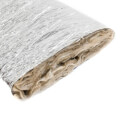
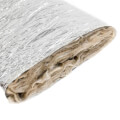


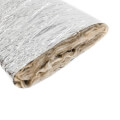
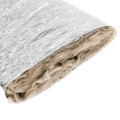
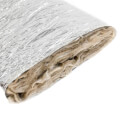


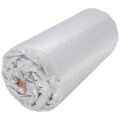
Sleeves are protective tubes installed around a pipe where it passes through a wall, floor, or foundation, keeping the pipe itself from bearing directly against concrete, framing, or masonry. Plumbing and HVAC installers use them anywhere a line needs to pass through a fire-rated assembly, an exterior wall, or a slab, since the sleeve allows for pipe movement from thermal expansion and simplifies future repairs or replacement. Material choice, whether PVC, steel, or copper, depends on the wall or floor assembly and whether the penetration needs a fire rating. A sleeve sized correctly leaves enough annular space around the pipe for insulation or a fire-stop sealant while still keeping the opening as small as code allows. Getting sleeve placement right during rough-in avoids cutting into finished walls or floors later to correct a missed penetration.
Subcategories
- PVC Pipe Sleeves: PVC sleeves are common for non-fire-rated penetrations in interior partitions and slabs, since the material is lightweight and easy to cut to length on site. Installers set the sleeve before pouring concrete or framing the wall so the pipe can be run through afterward. A slightly oversized sleeve diameter leaves room for pipe movement and later sealant work. PVC sleeves aren't a substitute for fire-rated assemblies in rated walls or floors.
- Steel Pipe Sleeves: Steel sleeves hold up under the higher loads and fire-rating requirements found in commercial construction and rated wall or floor assemblies. Contractors use steel sleeves anywhere the penetration needs to maintain a fire or smoke rating alongside a listed fire-stop system. Proper welding or anchoring of the sleeve into the surrounding structure keeps it from shifting during construction. Steel sleeve wall thickness varies based on the application's structural and fire-rating demands.
- Roof and Wall Flashing Sleeves: Flashing sleeves combine a pipe sleeve with an integrated weatherproofing flange for penetrations through a roof or exterior wall. Roofers and plumbers coordinate on these penetrations since the flashing needs to tie into the surrounding roofing membrane correctly. A properly flashed sleeve keeps water from tracking down the pipe and into the building. Sizing the sleeve to the exact pipe outside diameter keeps the flashing boot sealing tightly.
- Escutcheons and Sleeve Accessories: Escutcheons cover the visible gap between a sleeve and the finished wall or floor where a pipe passes through occupied space. Fire-stop collars and intumescent wrap are common accessories added at a sleeve penetration in a rated assembly. Keeping these small parts stocked alongside the sleeves themselves avoids a return trip for a finishing detail. Escutcheons come in a range of finishes to match surrounding fixtures or trim.
Buying Guide
Start with the penetration type. A sleeve passing through a fire-rated wall or floor assembly needs to be paired with a listed fire-stop system and sized according to that system's tested configuration, not just sized to fit the pipe. Non-rated interior penetrations have more flexibility in material and sizing.
Pipe movement matters for sleeves carrying lines that expand and contract with temperature changes, such as hot water or steam piping. Leaving enough annular space between the pipe and the sleeve wall keeps the pipe from binding as it moves, while still leaving room for whatever sealant or fire-stop material the application calls for.
Material selection follows the same logic as the rest of the job: PVC works for lightweight, non-rated interior penetrations, while steel is the standard where structural loads or fire ratings are in play. Exterior penetrations add a weatherproofing requirement that interior sleeves don't need to meet.
Sleeves are inexpensive relative to the cost of cutting into a finished wall or floor later, so oversizing slightly during rough-in, within what the fire-stop or code requirement allows, gives some margin for a pipe size change or reroute discovered later in the job. Confirming sleeve size and material against the project's fire-rating and code requirements before rough-in avoids a failed inspection.
Frequently Asked Questions
Why not just run a pipe directly through a wall without a sleeve?
A sleeve keeps the pipe from bearing directly on concrete or framing, which can cause abrasion, restrict thermal movement, and complicate any future repair or replacement. Building and fire codes also require a sleeve at many types of penetrations, particularly in rated assemblies.
What size should a sleeve be relative to the pipe it carries?
General practice leaves enough annular space for insulation, fire-stop sealant, or pipe movement, often an inch or more of clearance around the pipe, though the exact sizing depends on the application and any fire-rated assembly requirements. Manufacturer and fire-stop system documentation typically specifies exact clearances for rated penetrations.
Do all pipe penetrations need a fire-rated sleeve?
Only penetrations through fire-rated walls, floors, or ceiling assemblies require a listed fire-stop system paired with the sleeve. Interior partitions without a fire rating can typically use a standard PVC or steel sleeve without additional fire-stop materials.
Can a single sleeve be reused for a different pipe size later?
Reusing a sleeve for a larger pipe generally isn't possible without replacing the sleeve, since the annular space and any fire-stop system are sized for a specific pipe diameter. A smaller replacement pipe can sometimes work in an oversized sleeve if the fire-stop system allows for it.
What's the purpose of an escutcheon at a sleeve penetration?
An escutcheon covers the visible gap between the sleeve and the finished surface in occupied spaces, giving the penetration a finished look. It's a cosmetic component and isn't a substitute for proper fire-stopping or sealing at the sleeve itself.
