




Filters
SORT
Product Availability –
Series –
Gallons Per Flush –
Installation Type –
Power Method –
Review Score –
 --%3E %3Csvg version='1.1' id='Fill' xmlns='http://www.w3.org/2000/svg' xmlns:xlink='http://www.w3.org/1999/xlink' x='0px' y='0px' viewBox='0 0 100 100' enable-background='new 0 0 100 100' xml:space='preserve'%3E %3Cpath fill='%23F15C02' d='M79.44,0.95H20.56C9.78,0.95,0.95,9.78,0.95,20.56v58.87c0,10.79,8.82,19.61,19.61,19.61h58.87 c10.79,0,19.61-8.83,19.61-19.61V20.56C99.05,9.78,90.22,0.95,79.44,0.95z M65.38,58.24l9.38,29.58L49.69,69.78L24.5,87.82 l9.34-29.6L8.8,39.6l30.73-0.17c0,0,6.98-19.61,10-28.93c0.54,1.36,9.88,29.1,9.88,29.1H91.2L65.38,58.24z'/%3E %3C/svg%3E)
Price Range –
Sloan Sensor Operated ECOS Electronic Flushometers


 --%3E %3Csvg version='1.1' id='No-RB' xmlns='http://www.w3.org/2000/svg' xmlns:xlink='http://www.w3.org/1999/xlink' x='0px' y='0px' viewBox='0 0 100 100' enable-background='new 0 0 100 100' xml:space='preserve'%3E %3Cpath fill='%23CECECE' d='M79.44,0.95H20.56C9.78,0.95,0.95,9.78,0.95,20.56v58.87c0,10.79,8.82,19.61,19.61,19.61h58.87 c10.79,0,19.61-8.83,19.61-19.61V20.56C99.05,9.78,90.22,0.95,79.44,0.95z M65.38,58.24l9.38,29.58L49.69,69.78L24.5,87.82 l9.34-29.6L8.8,39.6l30.73-0.17c0,0,6.98-19.61,10-28.93c0.54,1.36,9.88,29.1,9.88,29.1H91.2L65.38,58.24z'/%3E %3C/svg%3E)
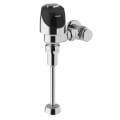
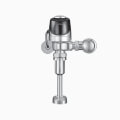
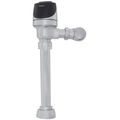
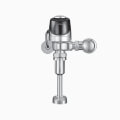
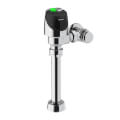
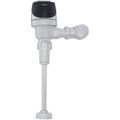
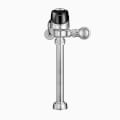

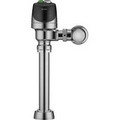
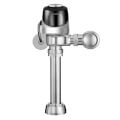
Sloan Sensor Operated ECOS Electronic Flushometers are battery-powered and hardwired flush valves built for commercial restrooms that need touchless operation. The line covers both water closets and urinals, with water closet models offering dual-flush volumes such as 1.6 and 1.1 gallons per flush and urinal models running as low as 0.25 gallons per flush. An infrared sensor with a multiple-focused, lobular sensing field detects the user and triggers a three-second flush delay, while battery-powered models run up to six years before a battery swap. A semi-red brass valve body and PERMEX rubber diaphragm compound resist the chloramine treatment found in many municipal water supplies. Facility managers specifying restrooms for schools, offices, and other high-traffic commercial buildings look to sensor-operated flushometers to cut down on handle contact and reduce water use compared to older manual valves, and the ECOS line covers both fixture types from a single family.
Subcategories
- Dual-Flush Water Closet Models: Dual-flush water closet models sense how long a user remains in range and select between a 1.1 gallon-per-flush or 1.6 gallon-per-flush cycle accordingly. Facilities aiming to cut water use without sacrificing solid-waste clearing specify this configuration over a fixed single-flush valve. A 1-1/2 inch top spud connection fits standard commercial closet bowls. The semi-red brass body and PERMEX diaphragm compound hold up against chloramine-treated water supplies common in municipal systems.
- Single-Flush Water Closet Models: Single-flush water closet models run a fixed volume, with options including 1.6, 1.28, and 1.1 gallons per flush depending on the fixture and local plumbing code requirement. Facility managers choosing between single-flush and dual-flush models weigh consistent flush volume against the water savings a dual-flush cycle offers. Every model in this configuration still uses the infrared sensor with a three-second flush delay found across the ECOS line. Operating pressure tops out at 100 PSI across these models.
- Urinal Models: Urinal models in the ECOS line run flush volumes as low as 0.25 gallons per flush, well below the 1.0 and 0.5 gallon-per-flush options also available. Restrooms with heavy urinal traffic, such as stadiums, schools, and office towers, specify the lowest available flush volume that still clears the fixture reliably. The same infrared sensor technology and up to six-year battery life used on water closet models carries over to the urinal configuration. A semi-red brass valve body handles the same chloramine resistance across both fixture types.
- Battery-Powered and Hardwired Models: Battery-powered ECOS models run on internal batteries rated for up to six years of service before a replacement is needed, which suits retrofits where running new electrical wiring to a fixture is not practical. Hardwired versions tie into building power directly, which removes battery replacement from the maintenance schedule for facilities that already have wiring in place at the fixture location. Both power options use the same infrared sensor and three-second flush delay. Choosing between them comes down to whether electrical access already exists at the valve location.
Buying Guide
Start by confirming the fixture type. Water closets and urinals use different valve configurations within the ECOS line, so matching fixture type comes before narrowing down flush volume or power source.
Next, settle on flush volume based on local plumbing code and water conservation goals. Water closet models range from a 2.4 gallon-per-flush legacy volume down to a 1.1 gallon-per-flush low-consumption option, with dual-flush models offering both a 1.6 and 1.1 gallon-per-flush cycle in a single valve. Urinal models run as low as 0.25 gallons per flush. Many jurisdictions now require the lower end of that range in new commercial construction, so checking the local code before specifying a higher-volume model avoids a rejected permit.
Decide between battery-powered and hardwired power. Battery-powered Sloan Sensor Operated ECOS Electronic Flushometers run up to six years on a single set of batteries, which works well on retrofit jobs without existing electrical access at the fixture. Hardwired models tie into building power and remove battery replacement from the maintenance schedule, which fits new construction where wiring already reaches the valve location.
Finally, confirm the operating pressure and spud connection match the existing plumbing. ECOS valves operate up to 100 PSI and use a 1-1/2 inch top spud connection on water closet models, so verifying incoming pressure and bowl spud size ahead of ordering keeps the installation a straightforward swap rather than a rework.
Frequently Asked Questions
What's the difference between dual-flush and single-flush ECOS models?
Dual-flush models sense dwell time and select between a 1.1 gallon-per-flush or 1.6 gallon-per-flush cycle automatically. Single-flush models run one fixed volume, with options including 1.6, 1.28, and 1.1 gallons per flush. Facilities aiming for the lowest possible water use per flush typically specify the dual-flush configuration.
How long do batteries last on a battery-powered ECOS flushometer?
Battery-powered Sloan Sensor Operated ECOS Electronic Flushometers run up to six years on a single battery set before a replacement is needed. The infrared sensor and three-second flush delay function the same on battery-powered and hardwired versions. Retrofits without existing electrical access at the fixture typically specify the battery-powered configuration.
What flush volume do ECOS urinal models use?
ECOS urinal models run flush volumes as low as 0.25 gallons per flush, with 0.5 and 1.0 gallon-per-flush options also available. High-traffic restrooms in schools, offices, and stadiums typically specify the lowest volume that still clears the fixture reliably. The same infrared sensor technology used on water closet models carries over to the urinal configuration.
What spud connection size do ECOS water closet models use?
ECOS water closet models use a 1-1/2 inch top spud connection, which fits standard commercial closet bowls. Operating pressure across the line tops out at 100 PSI. Confirming both figures against the existing rough-in keeps a retrofit installation straightforward.
What's the valve body made of on ECOS flushometers?
ECOS flushometers use a semi-red brass valve body paired with a PERMEX rubber diaphragm compound. That diaphragm material resists the chloramine treatment found in many municipal water supplies. The construction applies across both water closet and urinal models in the line.
