




Filters
SORT
Size –
Review Score –
 --%3E %3Csvg version='1.1' id='Fill' xmlns='http://www.w3.org/2000/svg' xmlns:xlink='http://www.w3.org/1999/xlink' x='0px' y='0px' viewBox='0 0 100 100' enable-background='new 0 0 100 100' xml:space='preserve'%3E %3Cpath fill='%23F15C02' d='M79.44,0.95H20.56C9.78,0.95,0.95,9.78,0.95,20.56v58.87c0,10.79,8.82,19.61,19.61,19.61h58.87 c10.79,0,19.61-8.83,19.61-19.61V20.56C99.05,9.78,90.22,0.95,79.44,0.95z M65.38,58.24l9.38,29.58L49.69,69.78L24.5,87.82 l9.34-29.6L8.8,39.6l30.73-0.17c0,0,6.98-19.61,10-28.93c0.54,1.36,9.88,29.1,9.88,29.1H91.2L65.38,58.24z'/%3E %3C/svg%3E)
 --%3E %3Csvg version='1.1' id='With-RB' xmlns='http://www.w3.org/2000/svg' xmlns:xlink='http://www.w3.org/1999/xlink' x='0px' y='0px' viewBox='0 0 100 100' enable-background='new 0 0 100 100' xml:space='preserve'%3E %3Cpath fill='%23FBC8B4' d='M79.44,0.95H20.56C9.78,0.95,0.95,9.78,0.95,20.56v58.87c0,10.79,8.82,19.61,19.61,19.61h58.87 c10.79,0,19.61-8.83,19.61-19.61V20.56C99.05,9.78,90.22,0.95,79.44,0.95z M65.38,58.24l9.38,29.58L49.69,69.78L24.5,87.82 l9.34-29.6L8.8,39.6l30.73-0.17c0,0,6.98-19.61,10-28.93c0.54,1.36,9.88,29.1,9.88,29.1H91.2L65.38,58.24z'/%3E %3C/svg%3E)
Price Range –
SunSonic

 --%3E %3Csvg version='1.1' id='No-RB' xmlns='http://www.w3.org/2000/svg' xmlns:xlink='http://www.w3.org/1999/xlink' x='0px' y='0px' viewBox='0 0 100 100' enable-background='new 0 0 100 100' xml:space='preserve'%3E %3Cpath fill='%23CECECE' d='M79.44,0.95H20.56C9.78,0.95,0.95,9.78,0.95,20.56v58.87c0,10.79,8.82,19.61,19.61,19.61h58.87 c10.79,0,19.61-8.83,19.61-19.61V20.56C99.05,9.78,90.22,0.95,79.44,0.95z M65.38,58.24l9.38,29.58L49.69,69.78L24.5,87.82 l9.34-29.6L8.8,39.6l30.73-0.17c0,0,6.98-19.61,10-28.93c0.54,1.36,9.88,29.1,9.88,29.1H91.2L65.38,58.24z'/%3E %3C/svg%3E)
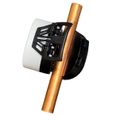
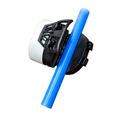
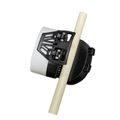
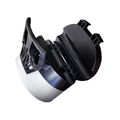
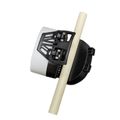
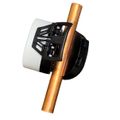
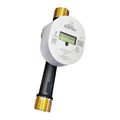

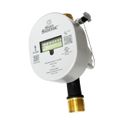
SunSonic focuses on ultrasonic water metering technology, engineering products that measure water flow with no internally moving parts. The company designs its Umeter product line to deliver accurate, dependable readings across residential and commercial water systems. SunSonic's engineering approach centers on removing unnecessary complexity while improving long-term performance, a philosophy reflected in the ultrasonic sensing technology used across its meter lineup.
Trade professionals working with water utility monitoring, submetering, and leak detection make up SunSonic's core markets. The company continues to develop new ultrasonic metering features aimed at meeting current water management needs and anticipating future demands in flow measurement.
Product Lines
SunSonic's primary product line is the Umeter family of ultrasonic water meters, available in two configurations. The Umeter N-Line model installs directly in the pipe run for new construction or full meter replacement. The Umeter Clamp model attaches externally to copper or PEX piping without cutting into the line.
Both meter families use ultrasonic sound wave technology to measure flow, avoiding the wear points found in mechanical meters. SunSonic meters carry NTEP certification for legal-for-trade use in any mounting orientation and meet AWWA C715 accuracy standards. The meters also hold UL certification under UL 1951 for electric plumbing accessories and UL 2043 for plenum-rated installations.
Why Contractors Specify SunSonic
Contractors specify SunSonic meters when a job calls for accurate flow data without the maintenance burden of mechanical components. Because the Umeter design has no internally moving parts, it avoids the wear and drift that reduce accuracy in impeller-style meters over time.
Wireless connectivity built into the Umeter line lets a contractor set up usage alerts and monitor flow data remotely, which helps flag leaks or abnormal water use early. The Clamp model's non-invasive mounting also appeals on retrofit jobs, since it does not require cutting or modifying existing copper or PEX lines to install.
How to Choose SunSonic Products
Choosing between Umeter models comes down to the type of job. New construction and full meter swaps are a good fit for the N-Line meter, which installs inline and provides a permanent metering point. Retrofit and submetering jobs, where cutting into an existing line is not practical, call for the Clamp model instead.
Pipe material and size matter too. Clamp models are built for copper or PEX piping in specific diameters, so confirming the piping material and size before ordering avoids a mismatched fit. For any installation requiring certified legal-for-trade accuracy, such as utility submetering or billing applications, the NTEP certification on SunSonic meters supports that use case.
Frequently Asked Questions
What is the difference between the Umeter Clamp and N-Line meters?
The N-Line meter installs directly inline with the pipe, making it suited to new construction or full meter replacement. The Clamp meter attaches to the outside of existing copper or PEX pipe without cutting into the line, which makes it a better fit for retrofit and submetering jobs.
Do SunSonic meters have moving parts that wear out over time?
No. SunSonic's Umeter line uses ultrasonic sound waves to measure flow. It has no internal moving parts to wear down or drift out of calibration the way impeller-style meters can.
Are SunSonic meters certified for legal-for-trade billing use?
Yes. The Umeter line carries NTEP certification, which covers operation in any mounting orientation, and meets AWWA C715 accuracy standards for water metering.
What certifications do SunSonic meters carry beyond metering accuracy?
SunSonic meters are UL certified and listed under UL 1951 for electric plumbing accessories and UL 2043 for plenum-rated installations.
Can a SunSonic meter be added to an existing water line without cutting it?
The Umeter Clamp model is designed for that scenario. It mounts externally on copper or PEX pipe, so a contractor can add metering to an existing line without cutting or reworking the piping.
