




Three Phase Motors
Three phase motors are electric motors built to run on three-phase power, delivering smoother torque and higher efficiency than single-phase motors of comparable horsepower. They're common in commercial and industrial HVAC equipment such as large blowers, compressors, and pumps. The steadier power draw reduces vibration and wear on connected equipment.
Selecting the right motor means matching horsepower, frame size, and enclosure type to the equipment being repaired or replaced. A mismatch in any of those areas can keep a unit from bolting up correctly or handling its operating environment. Facilities running dedicated three-phase electrical service typically standardize on this motor type across their larger mechanical equipment.

Subcategories
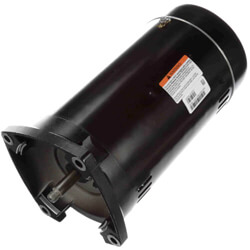
- Three Phase ODP Motors: Three Phase ODP Motors use an open drip-proof enclosure, allowing air to flow through the motor housing for cooling while still shielding internal windings from dripping liquid. They suit indoor mechanical rooms and equipment closets where ventilation is adequate but some moisture exposure is possible. Crews replacing a failed motor on existing equipment typically match this enclosure type to the original unit's rating.
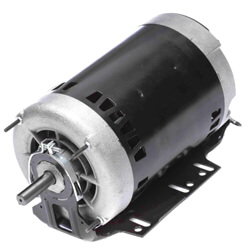
- Three Phase ODP Resilient Base Motors: Three Phase ODP Resilient Base Motors add a spring-mounted or rubber-isolated base to the same open drip-proof design. The base absorbs vibration before it transfers into the equipment frame or building structure. They're specified on installations where motor vibration could otherwise carry noise into occupied spaces above or adjacent to a mechanical room. The resilient base also reduces wear on motor mounts over the equipment's service life.
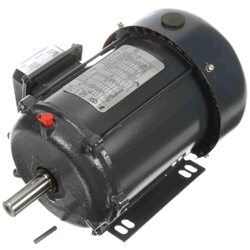
- Three Phase TEFC General Purpose Motors: Three Phase TEFC General Purpose Motors use a totally enclosed, fan-cooled housing that seals internal components from dust, moisture, and outdoor exposure while an external fan handles cooling. They're the common choice for rooftop units, outdoor condensing equipment, and dusty mechanical spaces where an open enclosure would let contaminants reach the windings. This enclosure style holds up in a wider range of environments than an open drip-proof motor.
Buying Guide
Choosing a three phase motor starts with confirming horsepower, voltage, and RPM against the nameplate of the equipment it's replacing. Even a small mismatch can prevent proper operation or trip protective devices on start-up.
Enclosure type matters as much as electrical rating. An open drip-proof motor works in a clean, ventilated mechanical room, while equipment exposed to weather, dust, or washdown needs a totally enclosed fan-cooled design instead.
Frame size and mounting configuration need to match the equipment base exactly. Three Phase Motors that are electrically correct but built on the wrong frame size will not bolt up without modifying the mount. That adds time and cost to a replacement job.
Facilities with vibration-sensitive spaces nearby, such as offices or occupied rooms above a mechanical area, benefit from a resilient base motor over a standard rigid-base version. This holds even when the electrical specifications are otherwise identical.
Check the service factor and duty cycle rating against how the equipment actually runs, whether continuous or intermittent. This helps confirm the motor is sized for the application rather than just the horsepower on the old nameplate.
Frequently Asked Questions
What's the difference between ODP and TEFC three phase motors?
An ODP (open drip-proof) motor allows air to pass through the housing for cooling while shielding the windings from dripping liquid, making it suited to clean, ventilated indoor spaces. A TEFC (totally enclosed, fan-cooled) motor seals the housing completely and uses an external fan for cooling, which holds up better against dust, moisture, and outdoor exposure. The choice generally comes down to how exposed the equipment location is to contaminants.
When is a resilient base motor needed instead of a standard base?
A resilient base motor is used when vibration transfer into the building structure or equipment frame needs to be minimized. Examples include locations near occupied spaces and equipment sensitive to mechanical stress. The spring or rubber-isolated mount absorbs vibration at the source rather than relying solely on external isolation pads. Facilities without nearby vibration-sensitive areas can typically use a standard rigid-base motor instead.
Can a three phase motor be installed on single-phase electrical service?
No, a three phase motor requires three-phase power to operate correctly and will not run properly, or at all, on single-phase service without a phase converter. Facilities considering three phase equipment need to confirm their electrical service type before selecting a motor. That decision is normally made during the original equipment specification rather than at motor replacement time.
What information is needed to replace an existing three phase motor?
Horsepower, voltage, RPM, frame size, and enclosure type from the existing motor's nameplate are the core details needed for a like-for-like replacement. Mounting configuration and shaft dimensions also need to match so the new motor bolts up without modification. Keeping the old nameplate or a photo of it on hand speeds up finding the correct replacement.
Do three phase motors need more maintenance than single-phase motors?
Three phase motors generally see less mechanical wear over time because their power delivery is smoother, producing less vibration than single-phase designs of similar output. Routine maintenance still includes checking bearings, connections, and enclosure condition on a regular schedule. Motors running in dusty or wet environments need enclosure inspections more frequently regardless of phase type.
Resources
Subcategories
- Three Phase ODP Motors: Three Phase ODP Motors use an open drip-proof enclosure, allowing air to flow through the motor housing for cooling while still shielding internal windings from dripping liquid. They suit indoor mechanical rooms and equipment closets where ventilation is adequate but some moisture exposure is possible. Crews replacing a failed motor on existing equipment typically match this enclosure type to the original unit's rating.
- Three Phase ODP Resilient Base Motors: Three Phase ODP Resilient Base Motors add a spring-mounted or rubber-isolated base to the same open drip-proof design. The base absorbs vibration before it transfers into the equipment frame or building structure. They're specified on installations where motor vibration could otherwise carry noise into occupied spaces above or adjacent to a mechanical room. The resilient base also reduces wear on motor mounts over the equipment's service life.
- Three Phase TEFC General Purpose Motors: Three Phase TEFC General Purpose Motors use a totally enclosed, fan-cooled housing that seals internal components from dust, moisture, and outdoor exposure while an external fan handles cooling. They're the common choice for rooftop units, outdoor condensing equipment, and dusty mechanical spaces where an open enclosure would let contaminants reach the windings. This enclosure style holds up in a wider range of environments than an open drip-proof motor.
Buying Guide
Choosing a three phase motor starts with confirming horsepower, voltage, and RPM against the nameplate of the equipment it's replacing. Even a small mismatch can prevent proper operation or trip protective devices on start-up.
Enclosure type matters as much as electrical rating. An open drip-proof motor works in a clean, ventilated mechanical room, while equipment exposed to weather, dust, or washdown needs a totally enclosed fan-cooled design instead.
Frame size and mounting configuration need to match the equipment base exactly. Three Phase Motors that are electrically correct but built on the wrong frame size will not bolt up without modifying the mount. That adds time and cost to a replacement job.
Facilities with vibration-sensitive spaces nearby, such as offices or occupied rooms above a mechanical area, benefit from a resilient base motor over a standard rigid-base version. This holds even when the electrical specifications are otherwise identical.
Check the service factor and duty cycle rating against how the equipment actually runs, whether continuous or intermittent. This helps confirm the motor is sized for the application rather than just the horsepower on the old nameplate.
Frequently Asked Questions
What's the difference between ODP and TEFC three phase motors?
An ODP (open drip-proof) motor allows air to pass through the housing for cooling while shielding the windings from dripping liquid, making it suited to clean, ventilated indoor spaces. A TEFC (totally enclosed, fan-cooled) motor seals the housing completely and uses an external fan for cooling, which holds up better against dust, moisture, and outdoor exposure. The choice generally comes down to how exposed the equipment location is to contaminants.
When is a resilient base motor needed instead of a standard base?
A resilient base motor is used when vibration transfer into the building structure or equipment frame needs to be minimized. Examples include locations near occupied spaces and equipment sensitive to mechanical stress. The spring or rubber-isolated mount absorbs vibration at the source rather than relying solely on external isolation pads. Facilities without nearby vibration-sensitive areas can typically use a standard rigid-base motor instead.
Can a three phase motor be installed on single-phase electrical service?
No, a three phase motor requires three-phase power to operate correctly and will not run properly, or at all, on single-phase service without a phase converter. Facilities considering three phase equipment need to confirm their electrical service type before selecting a motor. That decision is normally made during the original equipment specification rather than at motor replacement time.
What information is needed to replace an existing three phase motor?
Horsepower, voltage, RPM, frame size, and enclosure type from the existing motor's nameplate are the core details needed for a like-for-like replacement. Mounting configuration and shaft dimensions also need to match so the new motor bolts up without modification. Keeping the old nameplate or a photo of it on hand speeds up finding the correct replacement.
Do three phase motors need more maintenance than single-phase motors?
Three phase motors generally see less mechanical wear over time because their power delivery is smoother, producing less vibration than single-phase designs of similar output. Routine maintenance still includes checking bearings, connections, and enclosure condition on a regular schedule. Motors running in dusty or wet environments need enclosure inspections more frequently regardless of phase type.