




Filters
SORT
Product Availability –
Brand –
Review Score –
 --%3E %3Csvg version='1.1' id='Fill' xmlns='http://www.w3.org/2000/svg' xmlns:xlink='http://www.w3.org/1999/xlink' x='0px' y='0px' viewBox='0 0 100 100' enable-background='new 0 0 100 100' xml:space='preserve'%3E %3Cpath fill='%23F15C02' d='M79.44,0.95H20.56C9.78,0.95,0.95,9.78,0.95,20.56v58.87c0,10.79,8.82,19.61,19.61,19.61h58.87 c10.79,0,19.61-8.83,19.61-19.61V20.56C99.05,9.78,90.22,0.95,79.44,0.95z M65.38,58.24l9.38,29.58L49.69,69.78L24.5,87.82 l9.34-29.6L8.8,39.6l30.73-0.17c0,0,6.98-19.61,10-28.93c0.54,1.36,9.88,29.1,9.88,29.1H91.2L65.38,58.24z'/%3E %3C/svg%3E)
 --%3E %3Csvg version='1.1' id='With-RB' xmlns='http://www.w3.org/2000/svg' xmlns:xlink='http://www.w3.org/1999/xlink' x='0px' y='0px' viewBox='0 0 100 100' enable-background='new 0 0 100 100' xml:space='preserve'%3E %3Cpath fill='%23FBC8B4' d='M79.44,0.95H20.56C9.78,0.95,0.95,9.78,0.95,20.56v58.87c0,10.79,8.82,19.61,19.61,19.61h58.87 c10.79,0,19.61-8.83,19.61-19.61V20.56C99.05,9.78,90.22,0.95,79.44,0.95z M65.38,58.24l9.38,29.58L49.69,69.78L24.5,87.82 l9.34-29.6L8.8,39.6l30.73-0.17c0,0,6.98-19.61,10-28.93c0.54,1.36,9.88,29.1,9.88,29.1H91.2L65.38,58.24z'/%3E %3C/svg%3E)
Price Range –
Flush Valves


 --%3E %3Csvg version='1.1' id='Half' xmlns='http://www.w3.org/2000/svg' xmlns:xlink='http://www.w3.org/1999/xlink' x='0px' y='0px' viewBox='0 0 100 100' enable-background='new 0 0 100 100' xml:space='preserve'%3E %3Cg%3E %3Cpath fill='%23F15C02' d='M30.05,70.23l3.79-12.01L8.8,39.6l30.73-0.17c0,0,6.98-19.61,10-28.93c0.54,1.36,9.88,29.1,9.88,29.1h1.58 L93.71,7.18c-3.58-3.82-8.66-6.23-14.28-6.23H20.56C9.78,0.95,0.95,9.78,0.95,20.56v58.87c0,5.41,2.22,10.32,5.79,13.88 L30.05,70.23z'/%3E %3C/g%3E %3Cpath fill='%23FBC8B4' d='M93.71,7.18L60.98,39.6H91.2L65.38,58.24l9.38,29.58L49.69,69.78L24.5,87.82l5.55-17.59L6.75,93.32 c3.55,3.54,8.44,5.73,13.82,5.73h58.87c10.79,0,19.61-8.83,19.61-19.61V20.56C99.05,15.4,97.01,10.69,93.71,7.18z'/%3E %3C/svg%3E)

 --%3E %3Csvg version='1.1' id='No-RB' xmlns='http://www.w3.org/2000/svg' xmlns:xlink='http://www.w3.org/1999/xlink' x='0px' y='0px' viewBox='0 0 100 100' enable-background='new 0 0 100 100' xml:space='preserve'%3E %3Cpath fill='%23CECECE' d='M79.44,0.95H20.56C9.78,0.95,0.95,9.78,0.95,20.56v58.87c0,10.79,8.82,19.61,19.61,19.61h58.87 c10.79,0,19.61-8.83,19.61-19.61V20.56C99.05,9.78,90.22,0.95,79.44,0.95z M65.38,58.24l9.38,29.58L49.69,69.78L24.5,87.82 l9.34-29.6L8.8,39.6l30.73-0.17c0,0,6.98-19.61,10-28.93c0.54,1.36,9.88,29.1,9.88,29.1H91.2L65.38,58.24z'/%3E %3C/svg%3E)


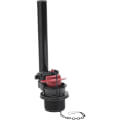
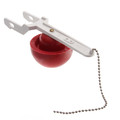
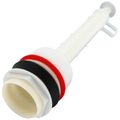
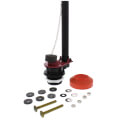
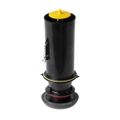
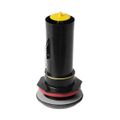
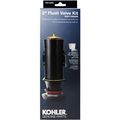
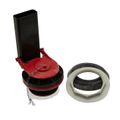
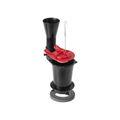
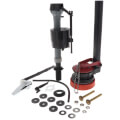
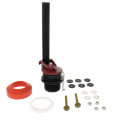
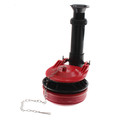
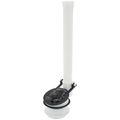
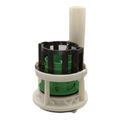
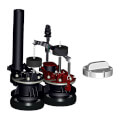
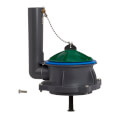
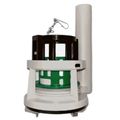
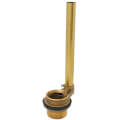
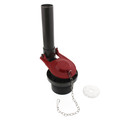
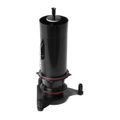
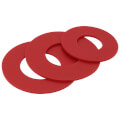
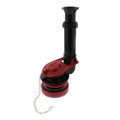
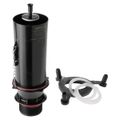
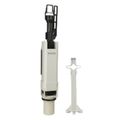
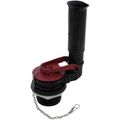
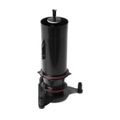
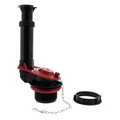

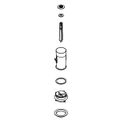
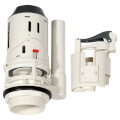
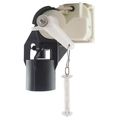
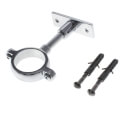
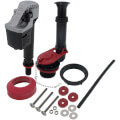

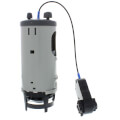

Flush valves are the mechanical devices mounted on commercial toilets and urinals that release a metered volume of water from the building's supply line to clear the fixture, replacing the tank-and-flapper system found on most residential toilets. Commercial restrooms rely on flush valves because they recover faster between uses than a tank-based system, which matters in high-traffic settings like schools, office buildings, and retail locations where fixtures need to be ready again within seconds of the last flush. These valves connect directly to a pressurized water supply line and use a diaphragm or piston mechanism to control the flush cycle and shut off cleanly once the cycle completes. Flush volume is regulated by federal and local plumbing codes, so replacement valves need to match the fixture's rated gallons-per-flush to stay code-compliant and avoid clearance issues on the fixture.
Because flush valves see constant use in commercial buildings, contractors servicing these fixtures need to match diaphragm and piston components correctly to keep the units running reliably between service intervals.
Subcategories
- Manual Flush Valves: Handle-operated valves that trigger the flush cycle when a user presses or pulls the handle, remaining the standard in many commercial restrooms. These are typically the most straightforward to service and replace. Manual valves are available in various flush volumes to match different fixture types.
- Sensor and Automatic Flush Valves: Valves that trigger the flush cycle automatically using an infrared or other proximity sensor, reducing the need for user contact with the fixture. These are increasingly specified in new commercial construction for hygiene reasons. Battery or hardwired power options affect installation and maintenance requirements.
- Repair Kits and Diaphragms: Replacement diaphragms, seals, and internal components for servicing flush valves already installed in the field. A worn diaphragm is one of the most common causes of a flush valve running continuously or flushing weakly. Matching the kit to the exact valve model keeps the repair straightforward.
- Flush Valve Handles and Trim: Replacement handles, covers, and trim pieces for the exterior components of manual flush valves. These parts wear from repeated use and vandalism in high-traffic public restrooms. Trim style should match the existing valve body for a proper fit.
Buying Guide
Confirm the fixture's rated gallons-per-flush before ordering a replacement flush valve, since valves are built to deliver a specific flush volume and installing one rated for the wrong volume can create code compliance issues or inadequate fixture performance.
Match supply line pressure to the valve's rated operating range, since flush valves depend on adequate line pressure to complete a full flush cycle. Buildings with lower supply pressure may need valves specifically designed for low-pressure operation.
Decide between manual and sensor-operated valves based on the building's hygiene priorities and maintenance capabilities. Sensor valves reduce contact points but add battery replacement or wiring considerations that manual valves don't have.
When servicing rather than replacing a flush valve, order a repair kit that matches the exact valve model and manufacturer, since diaphragms and seals are not universal across brands and an incorrect kit can lead to leaks or a valve that won't shut off completely.
For high-traffic commercial restrooms, consider flush valves with vandal-resistant trim and handles, since exposed components in public-facing fixtures see more wear and potential damage than in lower-traffic settings.
Frequently Asked Questions
Why do commercial restrooms use flush valves instead of tank-based toilets?
Flush valves connect directly to a pressurized supply line and recover faster between uses than a tank system, which matters in high-traffic commercial settings where fixtures need to be ready again quickly.
What causes a flush valve to run continuously after flushing?
A worn or damaged diaphragm is the most common cause of a flush valve that won't shut off completely, and replacing the diaphragm with a properly matched repair kit typically resolves the issue.
Do sensor flush valves need a specific power source?
Sensor flush valves can be battery-powered or hardwired depending on the model, and the choice affects both installation requirements and ongoing maintenance.
Can any repair kit be used on any flush valve brand?
No, diaphragms and seals are specific to each manufacturer and model, so the repair kit needs to match the exact valve being serviced to seal and function correctly.
Why does supply line pressure matter for flush valve performance?
Flush valves rely on adequate line pressure to complete a full flush cycle, and buildings with lower pressure may need valves specifically rated for low-pressure operation to flush properly.
