

CONTACT & SUPPORT
Live Chat: Online Now


0
CART

Toilet Parts
Making sure a toilet stays running (or stops running when appropriate) means making sure every part is in perfect working order. Our wide selection of toilet parts means repairs, upgrades, or expert-level installations are always just a few clicks away. Whether you're dealing with a simple leak or complete overhaul, you can find the right part right here.






Resources
FAQs, Manuals & Videos

Articles
More About Toilet Parts
Everyday Durability
The levers, balls, flappers, washers, and gaskets we carry are designed to handle daily use while providing a smooth and swift flush every time. Long-lasting parts are key to consistent water regulation, leak prevention, and reliable, water-saving seals.
Go with the Flow
As water frequently moves through the system, various internal components may become damaged over time. Our selection of lift wires, rods, valves, and tubes help accurately control the movement of water through the system so the tank is filled efficiently after every flush.
Royal Flush
Toilet seats are about more than just comfort — they add to the overall aesthetic of your bathroom. Our selection of toilet seats blends functionality and design, offering a comfortable experience without compromising on style.
How It Works
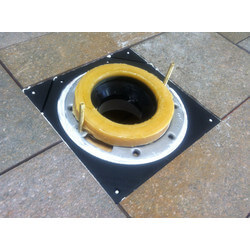
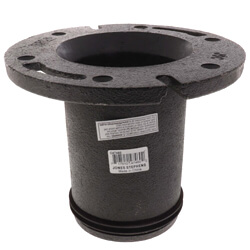
The toilet tank and bowl in hand. The tank is the unit that holds the water supply used for the flushing mechanism and the bowl brings in water from the tank when a flush occurs. A tank-to-bowl gasket is required to make a successful connection from the tank to the toilet bowl, which must then be firmly secured by bolts and nuts. A flange at the bottom of the toilet bowl secures the toilet to the floor and a wax gasket seals the bowl to the flange in order to prevent any water leakage.
Inside the tank, you will find several key components. Water flows into the tank through an intake valve and is connected to the ballcock, which controls the water level inside the tank. The other end of the ballcock is connected to the float ball. Both the float ball and flapper control the flow of water. The float ball controls the flow of water from the water pipe directly to the tank and the flapper regulates the amount of water entering the bowl from the tank. When water in the tank is filled to its set level, the float ball shuts the valve, preventing any more water from entering the tank.
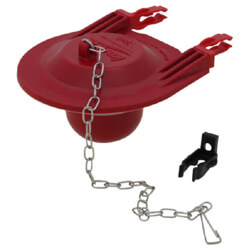
Water enters the bowl via a flush valve which connects the tank to the bowl. A tank trip lever is connected to the flush handle found on the outside of the tank. On the inside of the tank, the tank lever is connected to a chain which operates the flapper. When the flush handle is pushed, the tank lever will lift the flapper and water will flow into the toilet bowl.
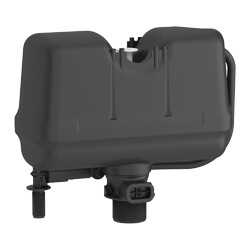
The Flushmate pressure tank is a component found in certain types of toilets that use pressure-assisted flushing. Unlike traditional gravity-based toilets, pressure-assisted toilets rely on the force of compressed air or water to flush waste effectively. The Flushmate consists of a sealed cylindrical tank that sits inside the toilet tank. It contains a flexible bladder or diaphragm that separates the air above from the water below. The bladder is typically made of durable material, such as reinforced rubber. The Flushmate pressure tank design offers several advantages over traditional gravity-based toilets, such as more efficient flushing, reduced clogging, and faster bowl refills. It is particularly common in commercial settings where high-performance flushing is necessary.
The levers, balls, flappers, washers, and gaskets we carry are designed to handle daily use while providing a smooth and swift flush every time. Long-lasting parts are key to consistent water regulation, leak prevention, and reliable, water-saving seals.
Go with the Flow
As water frequently moves through the system, various internal components may become damaged over time. Our selection of lift wires, rods, valves, and tubes help accurately control the movement of water through the system so the tank is filled efficiently after every flush.
Royal Flush
Toilet seats are about more than just comfort — they add to the overall aesthetic of your bathroom. Our selection of toilet seats blends functionality and design, offering a comfortable experience without compromising on style.
How It Works
The toilet tank and bowl in hand. The tank is the unit that holds the water supply used for the flushing mechanism and the bowl brings in water from the tank when a flush occurs. A tank-to-bowl gasket is required to make a successful connection from the tank to the toilet bowl, which must then be firmly secured by bolts and nuts. A flange at the bottom of the toilet bowl secures the toilet to the floor and a wax gasket seals the bowl to the flange in order to prevent any water leakage.
Inside the tank, you will find several key components. Water flows into the tank through an intake valve and is connected to the ballcock, which controls the water level inside the tank. The other end of the ballcock is connected to the float ball. Both the float ball and flapper control the flow of water. The float ball controls the flow of water from the water pipe directly to the tank and the flapper regulates the amount of water entering the bowl from the tank. When water in the tank is filled to its set level, the float ball shuts the valve, preventing any more water from entering the tank.
Water enters the bowl via a flush valve which connects the tank to the bowl. A tank trip lever is connected to the flush handle found on the outside of the tank. On the inside of the tank, the tank lever is connected to a chain which operates the flapper. When the flush handle is pushed, the tank lever will lift the flapper and water will flow into the toilet bowl.
The Flushmate pressure tank is a component found in certain types of toilets that use pressure-assisted flushing. Unlike traditional gravity-based toilets, pressure-assisted toilets rely on the force of compressed air or water to flush waste effectively. The Flushmate consists of a sealed cylindrical tank that sits inside the toilet tank. It contains a flexible bladder or diaphragm that separates the air above from the water below. The bladder is typically made of durable material, such as reinforced rubber. The Flushmate pressure tank design offers several advantages over traditional gravity-based toilets, such as more efficient flushing, reduced clogging, and faster bowl refills. It is particularly common in commercial settings where high-performance flushing is necessary.
Resources
More About Toilet Parts
Everyday Durability
The levers, balls, flappers, washers, and gaskets we carry are designed to handle daily use while providing a smooth and swift flush every time. Long-lasting parts are key to consistent water regulation, leak prevention, and reliable, water-saving seals.
Go with the Flow
As water frequently moves through the system, various internal components may become damaged over time. Our selection of lift wires, rods, valves, and tubes help accurately control the movement of water through the system so the tank is filled efficiently after every flush.
Royal Flush
Toilet seats are about more than just comfort — they add to the overall aesthetic of your bathroom. Our selection of toilet seats blends functionality and design, offering a comfortable experience without compromising on style.
How It Works
The toilet tank and bowl in hand. The tank is the unit that holds the water supply used for the flushing mechanism and the bowl brings in water from the tank when a flush occurs. A tank-to-bowl gasket is required to make a successful connection from the tank to the toilet bowl, which must then be firmly secured by bolts and nuts. A flange at the bottom of the toilet bowl secures the toilet to the floor and a wax gasket seals the bowl to the flange in order to prevent any water leakage.
Inside the tank, you will find several key components. Water flows into the tank through an intake valve and is connected to the ballcock, which controls the water level inside the tank. The other end of the ballcock is connected to the float ball. Both the float ball and flapper control the flow of water. The float ball controls the flow of water from the water pipe directly to the tank and the flapper regulates the amount of water entering the bowl from the tank. When water in the tank is filled to its set level, the float ball shuts the valve, preventing any more water from entering the tank.
Water enters the bowl via a flush valve which connects the tank to the bowl. A tank trip lever is connected to the flush handle found on the outside of the tank. On the inside of the tank, the tank lever is connected to a chain which operates the flapper. When the flush handle is pushed, the tank lever will lift the flapper and water will flow into the toilet bowl.
The Flushmate pressure tank is a component found in certain types of toilets that use pressure-assisted flushing. Unlike traditional gravity-based toilets, pressure-assisted toilets rely on the force of compressed air or water to flush waste effectively. The Flushmate consists of a sealed cylindrical tank that sits inside the toilet tank. It contains a flexible bladder or diaphragm that separates the air above from the water below. The bladder is typically made of durable material, such as reinforced rubber. The Flushmate pressure tank design offers several advantages over traditional gravity-based toilets, such as more efficient flushing, reduced clogging, and faster bowl refills. It is particularly common in commercial settings where high-performance flushing is necessary.
The levers, balls, flappers, washers, and gaskets we carry are designed to handle daily use while providing a smooth and swift flush every time. Long-lasting parts are key to consistent water regulation, leak prevention, and reliable, water-saving seals.
Go with the Flow
As water frequently moves through the system, various internal components may become damaged over time. Our selection of lift wires, rods, valves, and tubes help accurately control the movement of water through the system so the tank is filled efficiently after every flush.
Royal Flush
Toilet seats are about more than just comfort — they add to the overall aesthetic of your bathroom. Our selection of toilet seats blends functionality and design, offering a comfortable experience without compromising on style.
How It Works
The toilet tank and bowl in hand. The tank is the unit that holds the water supply used for the flushing mechanism and the bowl brings in water from the tank when a flush occurs. A tank-to-bowl gasket is required to make a successful connection from the tank to the toilet bowl, which must then be firmly secured by bolts and nuts. A flange at the bottom of the toilet bowl secures the toilet to the floor and a wax gasket seals the bowl to the flange in order to prevent any water leakage.
Inside the tank, you will find several key components. Water flows into the tank through an intake valve and is connected to the ballcock, which controls the water level inside the tank. The other end of the ballcock is connected to the float ball. Both the float ball and flapper control the flow of water. The float ball controls the flow of water from the water pipe directly to the tank and the flapper regulates the amount of water entering the bowl from the tank. When water in the tank is filled to its set level, the float ball shuts the valve, preventing any more water from entering the tank.
Water enters the bowl via a flush valve which connects the tank to the bowl. A tank trip lever is connected to the flush handle found on the outside of the tank. On the inside of the tank, the tank lever is connected to a chain which operates the flapper. When the flush handle is pushed, the tank lever will lift the flapper and water will flow into the toilet bowl.
The Flushmate pressure tank is a component found in certain types of toilets that use pressure-assisted flushing. Unlike traditional gravity-based toilets, pressure-assisted toilets rely on the force of compressed air or water to flush waste effectively. The Flushmate consists of a sealed cylindrical tank that sits inside the toilet tank. It contains a flexible bladder or diaphragm that separates the air above from the water below. The bladder is typically made of durable material, such as reinforced rubber. The Flushmate pressure tank design offers several advantages over traditional gravity-based toilets, such as more efficient flushing, reduced clogging, and faster bowl refills. It is particularly common in commercial settings where high-performance flushing is necessary.