




Filters
SORT
Product Availability –
Review Score –
 --%3E %3Csvg version='1.1' id='Fill' xmlns='http://www.w3.org/2000/svg' xmlns:xlink='http://www.w3.org/1999/xlink' x='0px' y='0px' viewBox='0 0 100 100' enable-background='new 0 0 100 100' xml:space='preserve'%3E %3Cpath fill='%23F15C02' d='M79.44,0.95H20.56C9.78,0.95,0.95,9.78,0.95,20.56v58.87c0,10.79,8.82,19.61,19.61,19.61h58.87 c10.79,0,19.61-8.83,19.61-19.61V20.56C99.05,9.78,90.22,0.95,79.44,0.95z M65.38,58.24l9.38,29.58L49.69,69.78L24.5,87.82 l9.34-29.6L8.8,39.6l30.73-0.17c0,0,6.98-19.61,10-28.93c0.54,1.36,9.88,29.1,9.88,29.1H91.2L65.38,58.24z'/%3E %3C/svg%3E)
 --%3E %3Csvg version='1.1' id='With-RB' xmlns='http://www.w3.org/2000/svg' xmlns:xlink='http://www.w3.org/1999/xlink' x='0px' y='0px' viewBox='0 0 100 100' enable-background='new 0 0 100 100' xml:space='preserve'%3E %3Cpath fill='%23FBC8B4' d='M79.44,0.95H20.56C9.78,0.95,0.95,9.78,0.95,20.56v58.87c0,10.79,8.82,19.61,19.61,19.61h58.87 c10.79,0,19.61-8.83,19.61-19.61V20.56C99.05,9.78,90.22,0.95,79.44,0.95z M65.38,58.24l9.38,29.58L49.69,69.78L24.5,87.82 l9.34-29.6L8.8,39.6l30.73-0.17c0,0,6.98-19.61,10-28.93c0.54,1.36,9.88,29.1,9.88,29.1H91.2L65.38,58.24z'/%3E %3C/svg%3E)
Price Range –
Trane Heating Parts



 --%3E %3Csvg version='1.1' id='No-RB' xmlns='http://www.w3.org/2000/svg' xmlns:xlink='http://www.w3.org/1999/xlink' x='0px' y='0px' viewBox='0 0 100 100' enable-background='new 0 0 100 100' xml:space='preserve'%3E %3Cpath fill='%23CECECE' d='M79.44,0.95H20.56C9.78,0.95,0.95,9.78,0.95,20.56v58.87c0,10.79,8.82,19.61,19.61,19.61h58.87 c10.79,0,19.61-8.83,19.61-19.61V20.56C99.05,9.78,90.22,0.95,79.44,0.95z M65.38,58.24l9.38,29.58L49.69,69.78L24.5,87.82 l9.34-29.6L8.8,39.6l30.73-0.17c0,0,6.98-19.61,10-28.93c0.54,1.36,9.88,29.1,9.88,29.1H91.2L65.38,58.24z'/%3E %3C/svg%3E)

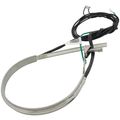
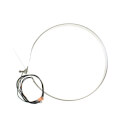
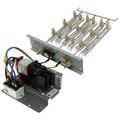
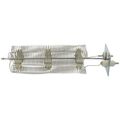
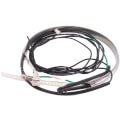

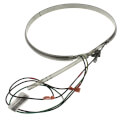
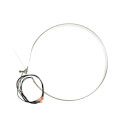
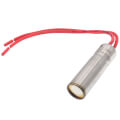
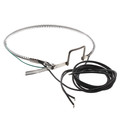
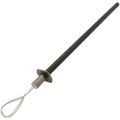

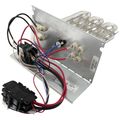
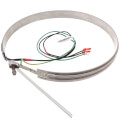
Trane heating parts are OEM and compatible replacement components for Trane furnaces, heat pumps, and other heating equipment, covering everything from igniters and flame sensors to blower motors, control boards, and gas valves. HVAC technicians servicing an existing Trane system rely on matching parts to keep warranty coverage intact and to make sure a replacement component fits the exact model's mounting points, wiring harness, and control logic. A single Trane furnace platform can span several production years with running changes to individual components, so confirming a part against the unit's model and serial number is a standard step before ordering. Technicians also stock common wear items, such as igniters and flame sensors, ahead of the heating season since these fail more predictably than structural components like heat exchangers. For a no-heat service call, having the right part on hand the first time avoids a second trip to the same building.
Subcategories
- Ignition and Flame Sensing Components: Igniters and flame sensors are among the most frequently replaced parts on a Trane gas furnace, since both components sit directly in the burner's heat path and wear faster than the rest of the unit. A cracked hot surface igniter or a flame sensor coated with buildup are two of the most common causes of a furnace that tries to start but shuts down again within seconds. Technicians typically check flame sensor condition before assuming a control board or gas valve problem, since a fouled sensor produces symptoms that can look like a bigger control issue. Keeping both parts stocked ahead of the heating season shortens response time on early cold-weather service calls.
- Blower Motors and Assemblies: Blower motors and assemblies move heated air from the furnace into the home's or building's duct system, and a failing motor typically shows up as reduced airflow, unusual noise, or a furnace that overheats and shuts down on its limit switch. Variable-speed and multi-speed motors used on newer Trane platforms are matched to a specific control module, so replacing the motor alone without confirming module compatibility can leave the blower running at the wrong speed for the system's ductwork. Technicians should record the motor's horsepower and speed tap settings from the original unit before ordering a replacement. Bearing wear and capacitor failure are common causes of blower problems on older single-speed motors.
- Control Boards and Sensors: Control boards manage ignition sequence, blower operation, and safety limit monitoring for a Trane furnace, and a faulty board can produce symptoms ranging from a complete no-start condition to a furnace that short-cycles or ignores a limit switch. Because control boards are matched to a specific furnace platform and often carry diagnostic fault codes specific to that model, technicians typically read any stored fault code before replacing the board to confirm the failure is in the board itself rather than a connected sensor or safety switch. Pressure switches and limit switches are commonly replaced alongside a board when troubleshooting points to a shared circuit. Confirming board revision against the furnace's model and serial number avoids a mismatch in connector layout or firmware.
- Gas Valves and Burners: Gas valves regulate fuel flow to a Trane furnace's burner assembly, and a valve that fails to open or close fully can cause anything from a no-heat call to a furnace that keeps running after the thermostat is satisfied. Burner assemblies themselves rarely fail outright but can develop uneven flame patterns from corrosion or debris buildup over years of service, which affects combustion efficiency and can trigger a flame sensor fault. Technicians replacing a gas valve should confirm the manifold pressure setting for the specific furnace model during startup, since an incorrect setting can affect both safety and performance. Working on gas valves and burner assemblies requires shutting off and verifying the gas supply before beginning any parts replacement, consistent with standard gas equipment service practice.
Buying Guide
Diagnosing which Trane heating part needs replacement starts with matching the furnace's symptom to the most likely component before ordering anything. A unit that tries to ignite but shuts down within seconds usually points to the igniter or flame sensor, while reduced airflow or unusual noise from the cabinet more often points to the blower motor or assembly. A complete no-start condition, a stored fault code, or erratic behavior across multiple functions typically points to the control board rather than a single mechanical part. Once the likely component is identified, confirming the furnace's exact model and serial number against the part's fitment is the next step, since Trane heating parts are matched to specific platforms and production runs, and a part that looks physically similar may not share the same wiring harness, mounting points, or control logic as the original. Technicians working on variable-speed or multi-speed equipment should also confirm that a replacement blower motor is compatible with the existing control module rather than assuming any motor of the right horsepower will work. Stocking common wear items, such as igniters, flame sensors, and pressure switches, ahead of the heating season reduces the number of return trips needed for routine no-heat calls, while less frequently replaced parts like control boards and gas valves are usually ordered once the specific failure is confirmed on site.
Frequently Asked Questions
How do I know if a furnace problem is the igniter or the flame sensor?
An igniter problem usually shows up as a furnace that never lights at all, while a flame sensor problem typically shows up as a furnace that lights briefly and then shuts down. Checking for a visible glow from the igniter during a call for heat helps narrow down which component is at fault.
Can any blower motor be used to replace a failed one?
Not on variable-speed or multi-speed platforms, where the motor is matched to a specific control module. The motor's horsepower and speed tap settings from the original unit should be confirmed before ordering a replacement.
What does a furnace fault code indicate?
Trane control boards typically flash a specific code corresponding to the last detected fault, such as a pressure switch or limit switch issue. Reading that code before replacing parts helps confirm the actual point of failure rather than guessing.
Why would a furnace keep running after the thermostat is satisfied?
A gas valve that isn't fully closing is one common cause, since it allows continued burner operation despite the control board sending a shutoff signal. A stuck valve should be diagnosed and corrected promptly given the safety implications of a gas valve that isn't closing properly.
How often should igniters and flame sensors be replaced?
There's no fixed schedule, since wear depends on run hours and burner condition, but both are common enough failure points that many technicians stock them ahead of the heating season. A flame sensor with visible buildup is often worth cleaning or replacing during a routine tune-up rather than waiting for a failure call.
