




Filters
SORT
Product Availability –
Size –
Connection Method –
Connection Type –
Flow Capacity (Cv) –
Review Score –
 --%3E %3Csvg version='1.1' id='Fill' xmlns='http://www.w3.org/2000/svg' xmlns:xlink='http://www.w3.org/1999/xlink' x='0px' y='0px' viewBox='0 0 100 100' enable-background='new 0 0 100 100' xml:space='preserve'%3E %3Cpath fill='%23F15C02' d='M79.44,0.95H20.56C9.78,0.95,0.95,9.78,0.95,20.56v58.87c0,10.79,8.82,19.61,19.61,19.61h58.87 c10.79,0,19.61-8.83,19.61-19.61V20.56C99.05,9.78,90.22,0.95,79.44,0.95z M65.38,58.24l9.38,29.58L49.69,69.78L24.5,87.82 l9.34-29.6L8.8,39.6l30.73-0.17c0,0,6.98-19.61,10-28.93c0.54,1.36,9.88,29.1,9.88,29.1H91.2L65.38,58.24z'/%3E %3C/svg%3E)
Price Range –
Two Plus Multi-Purpose Valves


 --%3E %3Csvg version='1.1' id='No-RB' xmlns='http://www.w3.org/2000/svg' xmlns:xlink='http://www.w3.org/1999/xlink' x='0px' y='0px' viewBox='0 0 100 100' enable-background='new 0 0 100 100' xml:space='preserve'%3E %3Cpath fill='%23CECECE' d='M79.44,0.95H20.56C9.78,0.95,0.95,9.78,0.95,20.56v58.87c0,10.79,8.82,19.61,19.61,19.61h58.87 c10.79,0,19.61-8.83,19.61-19.61V20.56C99.05,9.78,90.22,0.95,79.44,0.95z M65.38,58.24l9.38,29.58L49.69,69.78L24.5,87.82 l9.34-29.6L8.8,39.6l30.73-0.17c0,0,6.98-19.61,10-28.93c0.54,1.36,9.88,29.1,9.88,29.1H91.2L65.38,58.24z'/%3E %3C/svg%3E)



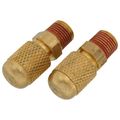


Two Plus multi-purpose valves combine several of the valve functions typically needed on the discharge side of a hydronic circulator pump into a single valve body, cutting down on the number of separate fittings required in a boiler or pump installation. Rather than installing a check valve, an isolation valve, and a balancing or flow-adjustment valve as three separate components, a multi-purpose valve of this type consolidates that functionality into one fitting, which saves installation time and reduces the number of joints that could eventually leak. Contractors specify these valves on new hydronic heating and cooling installs as well as pump replacements, particularly where space around the pump is tight or where simplifying the piping layout is a priority. Because the valve combines multiple functions, correctly orienting it for flow direction and confirming it matches the pump's discharge connection size are both important steps that a single-function valve wouldn't require.
Subcategories
- Threaded Multi-Purpose Valves: Threaded versions connect using standard pipe threads, suiting smaller residential and light commercial circulator pump installs where threaded fittings are already the norm. These are typically easier to service since they can be unthreaded without special tools. Sizing matches the pump's discharge port threading.
- Flanged Multi-Purpose Valves: Flanged versions bolt directly to a matching flange on the pump or adjacent piping, common on larger commercial systems where flanged connections are the standard throughout the mechanical room. These typically handle higher flow and pressure ranges than threaded equivalents. Servicing requires unbolting the flange rather than unthreading a fitting.
- Sweat/Solder Multi-Purpose Valves: Sweat connection versions are designed to be soldered directly into copper piping, suiting installs where the surrounding system piping is copper rather than threaded steel. These require the piping to be cut and the valve sweated in during installation or replacement, which takes more time than a threaded connection but integrates cleanly with an all-copper system.
Buying Guide
Start by confirming the pump's discharge connection type and size, since Two Plus multi-purpose valves have to match that connection whether it's threaded, flanged, or sweat. Getting the connection type wrong means either sourcing adapters or returning the part, so check the existing pump's nameplate or spec sheet before ordering. Confirm the valve's pressure and temperature rating meets the system's design conditions, particularly on commercial or high-temperature hydronic systems where a residential-rated valve wouldn't hold up.
Think about serviceability when choosing between connection types: threaded valves are generally easier to remove for future pump service, while flanged and sweat connections may require more work to disconnect. If the install is a retrofit replacing a set of separate check, isolation, and balance valves, verify the combined multi-purpose valve provides equivalent function for the specific system design, since consolidating valves works well in most residential and light commercial hydronic setups but may not suit every specialized commercial configuration. Finally, confirm correct flow direction during installation, since the valve's internal check and balance functions depend on it being installed the right way relative to pump flow.
Frequently Asked Questions
What functions does a multi-purpose valve replace?
These valves typically combine functions like check valve, isolation valve, and flow balancing into a single body, replacing what would otherwise be several separate fittings installed on the pump discharge side. The exact combination of functions varies by specific valve model.
Does installation orientation matter for this valve type?
Yes, correct flow direction is important since the valve's internal check and balancing functions are designed to work with flow moving in a specific direction. Installing it backward can prevent the valve from functioning as intended.
Can this valve type be used on a pump replacement without changing the rest of the piping?
In many cases yes, as long as the new valve's connection type and size match the existing piping and pump discharge port. Confirm those details against the old configuration before ordering a replacement.
Is a flanged or threaded connection better for a residential install?
Threaded connections are more common and generally easier to service in smaller residential hydronic systems, while flanged connections are typically reserved for larger commercial installs already using flanged piping throughout. The right choice depends on what the rest of the system uses.
Do these valves need periodic maintenance?
Like any valve with moving internal components, periodic inspection during routine system maintenance helps catch wear or debris buildup before it affects performance. Check the specific manufacturer's maintenance recommendations for the model installed.
