




Watts Flow Check Valves

 --%3E %3Csvg version='1.1' id='No-RB' xmlns='http://www.w3.org/2000/svg' xmlns:xlink='http://www.w3.org/1999/xlink' x='0px' y='0px' viewBox='0 0 100 100' enable-background='new 0 0 100 100' xml:space='preserve'%3E %3Cpath fill='%23CECECE' d='M79.44,0.95H20.56C9.78,0.95,0.95,9.78,0.95,20.56v58.87c0,10.79,8.82,19.61,19.61,19.61h58.87 c10.79,0,19.61-8.83,19.61-19.61V20.56C99.05,9.78,90.22,0.95,79.44,0.95z M65.38,58.24l9.38,29.58L49.69,69.78L24.5,87.82 l9.34-29.6L8.8,39.6l30.73-0.17c0,0,6.98-19.61,10-28.93c0.54,1.36,9.88,29.1,9.88,29.1H91.2L65.38,58.24z'/%3E %3C/svg%3E)
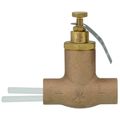
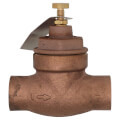

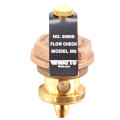
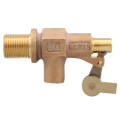

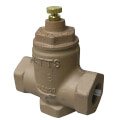
Watts Flow Check Valves prevent hot or chilled water from circulating through a hydronic heating or cooling system when the circulator pump is not running. Installed in the supply line to a zone or radiation loop, the valve provides positive shutoff so water does not gravity-feed into radiators or baseboard while the system is idle, which keeps a single zone from heating on its own when only a different zone has called for heat.
The valves are built with a tee pattern body that opens easily to allow gravity circulation when needed, a design detail that lets a technician use the same valve family across systems that rely on either pumped or gravity-assisted flow. Hydronic contractors install them anywhere a zoned system needs to stop unwanted flow between zones, which makes them a standard component on multi-zone residential and light commercial boiler systems rather than a specialty item reserved for unusual layouts.
Subcategories
- Threaded Flow Check Valves: Threaded flow check valves connect via female threaded ends, making them straightforward to install into an existing threaded pipe run without soldering. Technicians use this style on residential boiler retrofits where the surrounding piping is already threaded. The tee-pattern body still allows gravity circulation when the valve is open. This is the most common style for smaller zone additions on existing systems.
- Iron Body Flow Check Valves: Iron body construction gives the valve added durability for systems that see continuous operation over many heating seasons. Contractors specify iron body valves on larger residential and light commercial installs where a more rugged body justifies the added weight and cost over a lighter alternative. The bronze seat and brass center guide inside the body are built to handle repeated cycling. This construction style suits systems expected to run for a long service life without needing the valve replaced.
- Universal Two-Way Flow Check Valves: Universal two-way valves work in either orientation within a zone's supply line, which gives an installer flexibility when the exact piping layout is not fixed ahead of time. Technicians use this style on jobs where matching a specific flow direction would otherwise require extra fittings. It carries the same positive-shutoff function as the rest of the line. This flexibility makes it a common default choice when a technician isn't certain in advance which orientation a given install will need.
Buying Guide
Start by identifying the pipe connection already in place. A threaded pipe run calls for a threaded flow check valve, which avoids the extra step of soldering or otherwise adapting the connection during installation.
Consider the expected service life of the system before choosing a body material. Watts Flow Check Valves in an iron body construction suit installations expected to run for many heating seasons without replacement, particularly on larger residential or light commercial jobs.
Check whether the piping layout is fixed or still flexible. A universal two-way valve works in either flow orientation, which is useful when the exact routing of the supply line has not been finalized or when matching a specific direction would require additional fittings.
Match the valve size to the zone's pipe diameter rather than sizing generically across every zone in the system, since an undersized valve restricts flow to that zone even when the circulator is running.
Finally, confirm the valve fits within a multi-zone layout that relies on positive shutoff to keep zones independent, since a system without this kind of check valve on each zone risks unwanted gravity flow heating a zone that has not called for heat.
Frequently Asked Questions
What does a Watts flow check valve do?
It provides positive shutoff on a zone's supply line so water does not circulate through that zone when its circulator pump is not running, which keeps one zone from heating on its own while a different zone is calling for heat.
Can these valves still allow gravity circulation?
Yes. The tee-pattern body is designed to open easily for gravity circulation when needed, so the same valve works across systems that rely on either pumped or gravity-assisted flow.
What is the difference between the threaded and iron body versions?
The threaded version connects into existing threaded pipe without soldering, while the iron body version is built for added durability on systems expected to run for many heating seasons.
Does the flow direction matter when installing one of these valves?
It depends on the model. Universal two-way valves work in either orientation, which gives flexibility on jobs where the exact piping layout is not fixed ahead of time.
Where are flow check valves typically installed in a hydronic system?
They're installed in the supply line to a specific zone or radiation loop, most often as a standard component on multi-zone residential and light commercial boiler systems.
