




Filters
SORT
Product Availability –
Connection Size –
Used With –
Review Score –
 --%3E %3Csvg version='1.1' id='Fill' xmlns='http://www.w3.org/2000/svg' xmlns:xlink='http://www.w3.org/1999/xlink' x='0px' y='0px' viewBox='0 0 100 100' enable-background='new 0 0 100 100' xml:space='preserve'%3E %3Cpath fill='%23F15C02' d='M79.44,0.95H20.56C9.78,0.95,0.95,9.78,0.95,20.56v58.87c0,10.79,8.82,19.61,19.61,19.61h58.87 c10.79,0,19.61-8.83,19.61-19.61V20.56C99.05,9.78,90.22,0.95,79.44,0.95z M65.38,58.24l9.38,29.58L49.69,69.78L24.5,87.82 l9.34-29.6L8.8,39.6l30.73-0.17c0,0,6.98-19.61,10-28.93c0.54,1.36,9.88,29.1,9.88,29.1H91.2L65.38,58.24z'/%3E %3C/svg%3E)
 --%3E %3Csvg version='1.1' id='With-RB' xmlns='http://www.w3.org/2000/svg' xmlns:xlink='http://www.w3.org/1999/xlink' x='0px' y='0px' viewBox='0 0 100 100' enable-background='new 0 0 100 100' xml:space='preserve'%3E %3Cpath fill='%23FBC8B4' d='M79.44,0.95H20.56C9.78,0.95,0.95,9.78,0.95,20.56v58.87c0,10.79,8.82,19.61,19.61,19.61h58.87 c10.79,0,19.61-8.83,19.61-19.61V20.56C99.05,9.78,90.22,0.95,79.44,0.95z M65.38,58.24l9.38,29.58L49.69,69.78L24.5,87.82 l9.34-29.6L8.8,39.6l30.73-0.17c0,0,6.98-19.61,10-28.93c0.54,1.36,9.88,29.1,9.88,29.1H91.2L65.38,58.24z'/%3E %3C/svg%3E)
Price Range –
Wilo Flanges

 --%3E %3Csvg version='1.1' id='No-RB' xmlns='http://www.w3.org/2000/svg' xmlns:xlink='http://www.w3.org/1999/xlink' x='0px' y='0px' viewBox='0 0 100 100' enable-background='new 0 0 100 100' xml:space='preserve'%3E %3Cpath fill='%23CECECE' d='M79.44,0.95H20.56C9.78,0.95,0.95,9.78,0.95,20.56v58.87c0,10.79,8.82,19.61,19.61,19.61h58.87 c10.79,0,19.61-8.83,19.61-19.61V20.56C99.05,9.78,90.22,0.95,79.44,0.95z M65.38,58.24l9.38,29.58L49.69,69.78L24.5,87.82 l9.34-29.6L8.8,39.6l30.73-0.17c0,0,6.98-19.61,10-28.93c0.54,1.36,9.88,29.1,9.88,29.1H91.2L65.38,58.24z'/%3E %3C/svg%3E)

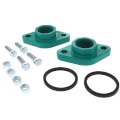
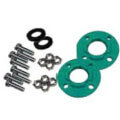
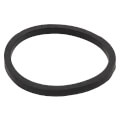
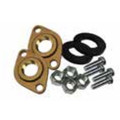

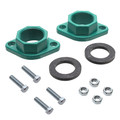

Wilo flanges are the companion flange fittings used to connect Wilo circulator pumps into a hydronic heating or cooling piping system. Rather than threading or soldering directly to the pump body, an installer solders, threads, or presses the flange onto the pipe first, then bolts the pump between two mating flanges. This setup lets a pump be removed for service or replacement without cutting into the piping or draining the entire system beyond the isolation valves at each flange. Flange sizes correspond to common hydronic pipe diameters, and matching the flange connection type, whether sweat, threaded, or press, to how the rest of the system was installed keeps a pump swap straightforward. Wilo flanges matter most on repair and replacement jobs, since a mismatched flange can turn a routine pump change into a piping rework.
Subcategories
- Sweat Flanges: Sweat flanges solder directly onto copper pipe, giving a permanent connection that matches the rest of a soldered hydronic system. They're common in residential and light commercial installations where copper is the standard piping material throughout the loop.
- Threaded Flanges: Threaded flanges connect to iron or steel pipe using standard NPT threads instead of a soldered joint. This style suits systems built with threaded black iron piping and lets a pump be isolated and removed using the same threading tools already on hand for the rest of the job.
- Press Flanges: Press flanges use a press-fit connection compatible with press tools already common on copper and steel piping jobs. They cut installation time compared to soldering, since there's no torch work or cooling time before the joint can be pressurized.
- Isolation Flange Sets with Ball Valves: Some flange sets include a built-in ball valve, letting an installer shut off flow at the pump without a separate isolation valve elsewhere in the line. This is useful on retrofit jobs where the existing piping doesn't already have isolation valves positioned near the pump.
Buying Guide
Matching a Wilo flange to the correct pump model is the first step, since flange bolt patterns and center-to-center dimensions vary between pump series. A flange sized for one pump body won't necessarily bolt up to a different model, even if both are Wilo circulators.
Connection type should match the piping already in place. Sweat flanges suit copper systems, threaded flanges suit iron or steel pipe, and press flanges work with either material where a press tool is already part of the installer's toolkit. Choosing a connection type that doesn't match the existing pipe means adding a transition fitting, which adds a joint and a potential leak point.
Pipe diameter determines flange size, and it needs to match the branch line the pump sits on rather than the main supply line if the two differ. Installing an undersized flange restricts flow through the pump, while an oversized one requires a reducing fitting on both sides.
Isolation capability is worth considering on any job where the pump may need service again later. A flange set with a built-in ball valve lets a future technician pull the pump without draining or isolating the whole zone, which saves time on routine maintenance calls.
Finally, check that the flange set includes the gaskets and bolts needed for a complete installation, or budget for those separately. Missing hardware on installation day is a common cause of delay on pump replacement jobs.
Frequently Asked Questions
What is a Wilo flange used for?
A Wilo flange connects a Wilo circulator pump to the piping system, allowing the pump to be bolted in and removed for service without cutting into the pipe or draining the full system past the isolation points.
Do Wilo flanges work with any circulator pump brand?
Wilo flanges are sized to match Wilo pump bolt patterns and connection dimensions, so they're intended for use with Wilo circulator pumps rather than other manufacturers' pumps, which typically use their own flange dimensions.
What connection types are available for Wilo flanges?
Common options include sweat flanges for copper pipe, threaded flanges for iron or steel pipe, and press flanges for a faster mechanical connection. The right choice depends on the piping material already installed.
Why would a flange set with a built-in ball valve be preferred?
A flange set with an integrated ball valve lets a technician isolate and remove the pump for service without needing a separate isolation valve elsewhere in the line, which is especially useful on older systems that weren't originally installed with isolation valves near the pump.
What happens if the wrong size flange is installed?
An undersized flange restricts flow through the pump and can affect system performance, while an oversized flange requires reducing fittings on both connections. Matching flange size to the actual branch line diameter avoids both issues.
