




Filters
SORT
Product Availability –
Product Type –
Review Score –
 --%3E %3Csvg version='1.1' id='Fill' xmlns='http://www.w3.org/2000/svg' xmlns:xlink='http://www.w3.org/1999/xlink' x='0px' y='0px' viewBox='0 0 100 100' enable-background='new 0 0 100 100' xml:space='preserve'%3E %3Cpath fill='%23F15C02' d='M79.44,0.95H20.56C9.78,0.95,0.95,9.78,0.95,20.56v58.87c0,10.79,8.82,19.61,19.61,19.61h58.87 c10.79,0,19.61-8.83,19.61-19.61V20.56C99.05,9.78,90.22,0.95,79.44,0.95z M65.38,58.24l9.38,29.58L49.69,69.78L24.5,87.82 l9.34-29.6L8.8,39.6l30.73-0.17c0,0,6.98-19.61,10-28.93c0.54,1.36,9.88,29.1,9.88,29.1H91.2L65.38,58.24z'/%3E %3C/svg%3E)
Price Range –
Wire Pulling Lubricant

 --%3E %3Csvg version='1.1' id='No-RB' xmlns='http://www.w3.org/2000/svg' xmlns:xlink='http://www.w3.org/1999/xlink' x='0px' y='0px' viewBox='0 0 100 100' enable-background='new 0 0 100 100' xml:space='preserve'%3E %3Cpath fill='%23CECECE' d='M79.44,0.95H20.56C9.78,0.95,0.95,9.78,0.95,20.56v58.87c0,10.79,8.82,19.61,19.61,19.61h58.87 c10.79,0,19.61-8.83,19.61-19.61V20.56C99.05,9.78,90.22,0.95,79.44,0.95z M65.38,58.24l9.38,29.58L49.69,69.78L24.5,87.82 l9.34-29.6L8.8,39.6l30.73-0.17c0,0,6.98-19.61,10-28.93c0.54,1.36,9.88,29.1,9.88,29.1H91.2L65.38,58.24z'/%3E %3C/svg%3E)
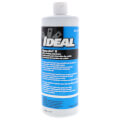
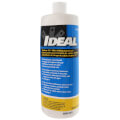

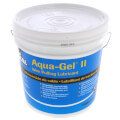
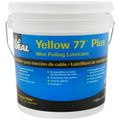
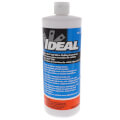
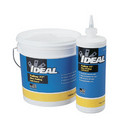
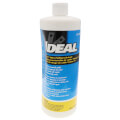
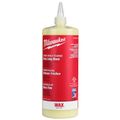

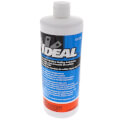
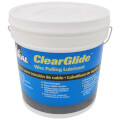

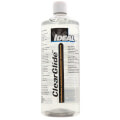
Wire Pulling Lubricant is a gel or liquid lubricant applied to electrical and communication cable before pulling it through conduit, reducing the friction that causes jacket damage and pulling strain. Electricians and low-voltage installers use it on long conduit runs, tight bends, and multi-cable pulls where dry friction would otherwise slow the pull or nick the cable jacket. Products like 3M Wire Pulling Lubricant WL are formulated as a translucent polymer gel with a low coefficient of friction, specifically built to lessen the chance of cable jacket damage from high pulling forces. The gel consistency holds up during storage and use, since it does not liquefy or separate with hot or cold aging the way thinner lubricants can. Most gel lubricants carry a working temperature range around 20°F to 110°F, which covers typical jobsite conditions from an unheated basement pull to a hot attic run. Choosing the right lubricant for the cable jacket material and pull length keeps a crew from burning through pulling capacity mid-run.
Subcategories
- Standard Gel Lubricant: Standard gel wire pulling lubricant, such as 3M Wire Pulling Lubricant WL, is a translucent polymer gel built for pulling electrical and communication cable through conduit. Electricians reach for it on everyday rough-in pulls where reducing the coefficient of friction protects the cable jacket from high pulling forces. The gel formula holds a consistent thickness and does not liquefy or separate with hot or cold aging, so it performs the same on a fresh pail as it does after months in the truck. A working temperature range of about 20°F to 110°F covers most indoor and moderate outdoor pulling conditions.
- Clear Gel Lubricant: Clear gel formulas, such as 3M Wire Pulling Lubricant WLC, use the same polymer gel base as standard formulas but carry a wider working temperature range of about 20°F to 120°F. Low-voltage and data cable installers favor the clear formula on jobs where a lubricant residue needs to be easy to see and fully clean off before terminations. The extended upper temperature rating makes it a better fit for hot attic runs or outdoor conduit exposed to direct sun. Like standard gel lubricant, it resists separating or thinning out during storage.
- Multi-Cable and Bundle Pull Formulas: Multi-cable pulls, where several conductors or a bundle of low-voltage cables share one conduit, put more strain on the outer cable jackets than a single-cable pull. Gel lubricants formulated for a wide variety of cable types reduce that added friction across the whole bundle rather than just the lead cable. Contractors pulling multiple circuits or a mix of electrical and communication cable in the same run rely on this type to keep pulling tension manageable. The same low coefficient of friction that protects a single cable jacket also lowers the risk of insulation damage on tightly packed bundles.
Buying Guide
Match the lubricant to the conduit fill and cable count before starting a pull, since a light gel that works fine on a single cable can run out of lubricity partway through a crowded conduit run. Check the working temperature range against jobsite conditions. A standard gel rated to 110°F may thicken up in a hot attic in summer, while a wider-range clear gel rated to 120°F holds its consistency longer in those conditions. Confirm the lubricant is compatible with the cable jacket material being pulled, since some jacket types react differently to gel versus liquid formulas. Wire Pulling Lubricant that stays a consistent gel without liquefying or separating during storage is worth the extra cost over a cheaper liquid that settles out between uses, since a separated lubricant needs remixing before every pull. For long runs or multiple bends, apply lubricant liberally and reapply partway through the pull rather than relying on a single application at the start, since friction builds throughout the run and not only where the pull begins. Crews pulling a mix of electrical and communication cable in the same conduit should choose a formula built for a wide variety of cable types rather than one designed for a single application, since jacket materials vary in how they respond to different lubricant chemistries. Keeping both a standard and a clear gel option on the truck covers most conditions from a cold basement rough-in to a hot summer attic pull.
Frequently Asked Questions
What's the difference between gel and liquid wire pulling lubricant?
Gel wire pulling lubricant, such as 3M Wire Pulling Lubricant WL, is a thicker polymer-based formula that clings to the cable jacket through a long pull instead of running off. The gel consistency does not liquefy or separate with hot or cold aging, so it holds up in storage better than thinner liquid formulas. Liquid lubricants can work on short, straight runs but tend to drain away faster on long or bent conduit paths.
What temperature range can wire pulling lubricant handle on a jobsite?
Standard gel wire pulling lubricant such as 3M WL carries a working temperature range of about 20°F to 110°F. A clear gel version like 3M WLC extends that upper limit to about 120°F, which helps on hot attic or direct-sun conduit runs. Picking a formula rated for the actual jobsite temperature keeps the lubricant from thickening or thinning mid-pull.
Does wire pulling lubricant damage cable jackets?
Wire pulling lubricant is designed to protect cable jackets, not damage them. A low coefficient of friction in gel formulas like 3M WL lessens the chance of jacket damage from high pulling forces during a conduit run. Choosing a lubricant compatible with the specific jacket material further reduces the risk of any reaction between the two.
Can one lubricant work for both electrical and communication cable?
Wire pulling lubricant formulated for a wide variety of cable types can be used across both electrical and communication cable pulls in the same conduit run. Gel lubricants such as 3M Wire Pulling Lubricant WL are built to reduce friction across mixed cable bundles, not just a single conductor type. Confirming the specific formula's cable compatibility before a mixed pull avoids any jacket compatibility issues.
How long does gel wire pulling lubricant last in storage?
Gel wire pulling lubricant such as 3M Wire Pulling Lubricant WL is formulated to hold a consistent gel texture without liquefying or separating during hot or cold aging. The gel's storage stability means a partially used pail left on the truck through a hot summer or cold winter should still perform the same as a fresh one.
