




Filters
SORT
Product Availability –
Control Type –
Capacity (Gallons) –
Diameter (Inches) –
Review Score –
 --%3E %3Csvg version='1.1' id='Fill' xmlns='http://www.w3.org/2000/svg' xmlns:xlink='http://www.w3.org/1999/xlink' x='0px' y='0px' viewBox='0 0 100 100' enable-background='new 0 0 100 100' xml:space='preserve'%3E %3Cpath fill='%23F15C02' d='M79.44,0.95H20.56C9.78,0.95,0.95,9.78,0.95,20.56v58.87c0,10.79,8.82,19.61,19.61,19.61h58.87 c10.79,0,19.61-8.83,19.61-19.61V20.56C99.05,9.78,90.22,0.95,79.44,0.95z M65.38,58.24l9.38,29.58L49.69,69.78L24.5,87.82 l9.34-29.6L8.8,39.6l30.73-0.17c0,0,6.98-19.61,10-28.93c0.54,1.36,9.88,29.1,9.88,29.1H91.2L65.38,58.24z'/%3E %3C/svg%3E)
Price Range –
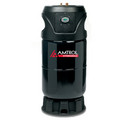
Amtrol HydroMax Indirect Water Heaters

 --%3E %3Csvg version='1.1' id='No-RB' xmlns='http://www.w3.org/2000/svg' xmlns:xlink='http://www.w3.org/1999/xlink' x='0px' y='0px' viewBox='0 0 100 100' enable-background='new 0 0 100 100' xml:space='preserve'%3E %3Cpath fill='%23CECECE' d='M79.44,0.95H20.56C9.78,0.95,0.95,9.78,0.95,20.56v58.87c0,10.79,8.82,19.61,19.61,19.61h58.87 c10.79,0,19.61-8.83,19.61-19.61V20.56C99.05,9.78,90.22,0.95,79.44,0.95z M65.38,58.24l9.38,29.58L49.69,69.78L24.5,87.82 l9.34-29.6L8.8,39.6l30.73-0.17c0,0,6.98-19.61,10-28.93c0.54,1.36,9.88,29.1,9.88,29.1H91.2L65.38,58.24z'/%3E %3C/svg%3E)



Amtrol HydroMax indirect water heaters are storage tanks that use a home or building's boiler to produce domestic hot water instead of relying on a separate gas or electric heating element. Hot water from the boiler circulates through an internal coil inside the tank, transferring heat to the potable water stored around it. The setup lets a single boiler cover space heating and domestic hot water in one system, which is common in hydronic heating installations. Contractors specify indirect tanks like the HydroMax line when a home already runs on a boiler and the customer wants steady, efficient hot water recovery without adding a second fuel source. Because the tanks store hot water instead of heating it on demand, they can supply a strong first-hour rating for showers, laundry, and kitchen use even during peak periods. Correct sizing to the connected boiler's output and the household's hot water demand matters for both comfort and long-term efficiency.
Subcategories
- HydroMax Storage Tanks: Storage tanks in the HydroMax line hold potable water inside a corrosion-resistant lined tank while an internal coil carries hot water from the boiler. Installers pick tank size based on the number of bathrooms and peak simultaneous draw in the building. Insulation around the tank shell limits standby heat loss between boiler firing cycles. Plumbers and heating techs are the primary buyers, sourcing tanks during boiler replacements or new hydronic installs.
- HydroMax Replacement Parts: Replacement parts for HydroMax tanks include components like anode rods, tank sensors, and coil assemblies that wear out or need service over the tank's life. Anode rods sacrifice themselves to slow corrosion inside the tank and typically need inspection on a regular schedule. Service techs stock these parts for maintenance calls and warranty repairs on existing installations. Matching the part to the exact tank model keeps the coil and thermal performance within its original design.
- HydroMax Mixing and Tempering Valves: Mixing valves blend hot water leaving the tank with cold water to hold a safe, consistent temperature at the fixtures. Installers add tempering valves to indirect systems to prevent scalding since tank temperature can run higher than typical point-of-use settings. Combination boiler and heating contractors handle this hardware during both new installs and retrofits. Setting the valve correctly protects occupants while still allowing the tank to store water hot enough for good recovery.
- HydroMax Tank Fittings and Connections: Fittings connect the tank's coil and potable water ports to the boiler loop and household plumbing, including unions, nipples, and dielectric connectors. Correct fitting selection prevents galvanic corrosion where dissimilar metals meet at the tank connections. Hydronic and plumbing contractors need these parts on hand for both first-time installs and tank swaps. Properly sized fittings also keep flow restriction low so the coil can transfer heat efficiently.
Buying Guide
Choosing the right Amtrol HydroMax indirect water heater starts with matching tank capacity to the connected boiler's output and the building's peak hot water demand. A boiler with more heat output can recover a stored tank faster, so undersized boilers paired with larger tanks may struggle to keep up during heavy simultaneous use like back-to-back showers and laundry. Contractors typically size the tank around the number of bathrooms and fixtures in a home, then verify the boiler can supply enough heat input to reach the tank's rated recovery rate.
Space is another factor: indirect tanks need clearance for service access to the coil, anode rod, and drain valve, plus room for the piping that ties into the existing boiler loop. When replacing an aging tank with a unit from the Amtrol HydroMax Indirect Water Heaters lineup, matching the existing connection layout can simplify the swap and reduce labor time.
Material matters too. Tanks with corrosion-resistant lined interiors hold up better over the long run than uncoated steel, which affects service life and warranty terms. Insulation quality around the tank shell affects standby loss, meaning better insulated tanks hold heat longer between boiler cycles and can lower operating costs over the life of the system. Buyers replacing an aging tank should also check that existing supply and return lines, along with the expansion tank, are still sized correctly for the new unit before final installation.
Frequently Asked Questions
What's the difference between an indirect water heater and a standard tank water heater?
An indirect water heater has no burner or heating element of its own. Instead, it uses hot water from a connected boiler, circulated through an internal coil, to heat the potable water stored in the tank. A standard tank heats water directly with its own gas burner or electric elements.
Can an Amtrol HydroMax tank work with any boiler?
The tank needs a boiler with enough heat output to match or exceed the tank's rated coil capacity. Undersized boilers can still work but will show longer recovery times during heavy hot water draws. Checking the boiler's output rating against the tank's specification sheet before installation avoids performance problems.
How often does the anode rod need to be checked?
Most manufacturers recommend an annual inspection, with more frequent checks in areas with aggressive or softened water. A rod that's worn down to bare wire should be replaced promptly to protect the tank from corrosion. Skipping inspections can shorten the tank's service life significantly.
Do indirect water heaters need a separate expansion tank?
Yes, most closed hydronic systems need an expansion tank sized for the added water volume from the indirect tank's coil loop. Without one, thermal expansion can raise system pressure and trip the relief valve repeatedly. Sizing the expansion tank correctly during installation prevents nuisance pressure relief valve discharge.
What size HydroMax tank does a typical home need?
Tank size depends on the number of bathrooms, fixtures, and expected peak simultaneous hot water use in the home. A licensed contractor typically calculates this using a first-hour rating comparison against the household's plumbing fixture count. Oversizing wastes standby energy, while undersizing leads to running out of hot water during heavy use periods.
