




Filters
SORT
Product Availability –
Pressure Set Point –
Capacity (BTU) –
Review Score –
 --%3E %3Csvg version='1.1' id='Fill' xmlns='http://www.w3.org/2000/svg' xmlns:xlink='http://www.w3.org/1999/xlink' x='0px' y='0px' viewBox='0 0 100 100' enable-background='new 0 0 100 100' xml:space='preserve'%3E %3Cpath fill='%23F15C02' d='M79.44,0.95H20.56C9.78,0.95,0.95,9.78,0.95,20.56v58.87c0,10.79,8.82,19.61,19.61,19.61h58.87 c10.79,0,19.61-8.83,19.61-19.61V20.56C99.05,9.78,90.22,0.95,79.44,0.95z M65.38,58.24l9.38,29.58L49.69,69.78L24.5,87.82 l9.34-29.6L8.8,39.6l30.73-0.17c0,0,6.98-19.61,10-28.93c0.54,1.36,9.88,29.1,9.88,29.1H91.2L65.38,58.24z'/%3E %3C/svg%3E)
 --%3E %3Csvg version='1.1' id='With-RB' xmlns='http://www.w3.org/2000/svg' xmlns:xlink='http://www.w3.org/1999/xlink' x='0px' y='0px' viewBox='0 0 100 100' enable-background='new 0 0 100 100' xml:space='preserve'%3E %3Cpath fill='%23FBC8B4' d='M79.44,0.95H20.56C9.78,0.95,0.95,9.78,0.95,20.56v58.87c0,10.79,8.82,19.61,19.61,19.61h58.87 c10.79,0,19.61-8.83,19.61-19.61V20.56C99.05,9.78,90.22,0.95,79.44,0.95z M65.38,58.24l9.38,29.58L49.69,69.78L24.5,87.82 l9.34-29.6L8.8,39.6l30.73-0.17c0,0,6.98-19.61,10-28.93c0.54,1.36,9.88,29.1,9.88,29.1H91.2L65.38,58.24z'/%3E %3C/svg%3E)
Price Range –
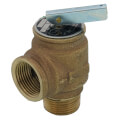
Apollo RVW40 Relief Valves




 --%3E %3Csvg version='1.1' id='Half' xmlns='http://www.w3.org/2000/svg' xmlns:xlink='http://www.w3.org/1999/xlink' x='0px' y='0px' viewBox='0 0 100 100' enable-background='new 0 0 100 100' xml:space='preserve'%3E %3Cg%3E %3Cpath fill='%23F15C02' d='M30.05,70.23l3.79-12.01L8.8,39.6l30.73-0.17c0,0,6.98-19.61,10-28.93c0.54,1.36,9.88,29.1,9.88,29.1h1.58 L93.71,7.18c-3.58-3.82-8.66-6.23-14.28-6.23H20.56C9.78,0.95,0.95,9.78,0.95,20.56v58.87c0,5.41,2.22,10.32,5.79,13.88 L30.05,70.23z'/%3E %3C/g%3E %3Cpath fill='%23FBC8B4' d='M93.71,7.18L60.98,39.6H91.2L65.38,58.24l9.38,29.58L49.69,69.78L24.5,87.82l5.55-17.59L6.75,93.32 c3.55,3.54,8.44,5.73,13.82,5.73h58.87c10.79,0,19.61-8.83,19.61-19.61V20.56C99.05,15.4,97.01,10.69,93.71,7.18z'/%3E %3C/svg%3E)




 --%3E %3Csvg version='1.1' id='No-RB' xmlns='http://www.w3.org/2000/svg' xmlns:xlink='http://www.w3.org/1999/xlink' x='0px' y='0px' viewBox='0 0 100 100' enable-background='new 0 0 100 100' xml:space='preserve'%3E %3Cpath fill='%23CECECE' d='M79.44,0.95H20.56C9.78,0.95,0.95,9.78,0.95,20.56v58.87c0,10.79,8.82,19.61,19.61,19.61h58.87 c10.79,0,19.61-8.83,19.61-19.61V20.56C99.05,9.78,90.22,0.95,79.44,0.95z M65.38,58.24l9.38,29.58L49.69,69.78L24.5,87.82 l9.34-29.6L8.8,39.6l30.73-0.17c0,0,6.98-19.61,10-28.93c0.54,1.36,9.88,29.1,9.88,29.1H91.2L65.38,58.24z'/%3E %3C/svg%3E)


Apollo RVW40 Relief Valves protect hydronic heating systems and water heaters from dangerous overpressure by opening automatically once system pressure climbs past a set threshold. Built with a bronze body, the RVW40 line is a common choice on residential and light-commercial boiler installations where a dependable pressure-relief path is a code requirement, not an optional upgrade. Contractors install these valves directly on the boiler or on the supply piping close to it, positioned so discharge routes safely away from occupied space if the valve opens. A relief valve that never actually gets tested tends to seize over time, so most manufacturers recommend a manual test lever that lets a technician confirm the valve lifts and reseats cleanly during routine maintenance. Picking the correct pressure rating for the system it protects is what keeps a boiler running safely without nuisance discharges, which is why the rating on the valve has to match the equipment, not just the pipe size.
Subcategories
- Boiler Pressure Relief Valves: These valves mount directly on or near a hot water boiler and open once system pressure exceeds the valve's rated setpoint, protecting the boiler and piping from a burst. Contractors match the setpoint to the boiler manufacturer's maximum allowable working pressure rather than defaulting to a single common rating. A manual test lever lets a technician confirm proper operation during annual service calls.
- Combination Temperature and Pressure Relief Valves: Combination valves respond to either excess pressure or excess temperature, whichever occurs first, making them the standard choice on residential water heaters. Contractors installing or replacing a water heater typically match the valve's rating to the tank's data plate rather than reusing an old valve on a new tank. A discharge pipe routed to within a few inches of the floor is a near-universal code requirement paired with this valve type.
- Replacement Relief Valves for Older Boilers: Older cast iron and steel boilers often need a direct-fit replacement relief valve when the original ages out or fails a test, and contractors servicing legacy equipment keep a stock of common thread sizes and pressure ratings on hand. Matching thread size and pressure rating to the boiler's original specification avoids a return trip for the wrong part.
Buying Guide
The pressure rating stamped on the valve has to match, or fall below, the maximum allowable working pressure of the boiler or water heater it protects. Installing a valve rated higher than the equipment can handle defeats the purpose of the safety device, so always check the equipment's data plate before ordering a replacement.
Thread size and connection type need to match the tapping on the boiler or tank exactly. An Apollo RVW40 Relief Valve and similar bronze-body relief valves typically come in a handful of common NPT sizes, but older equipment sometimes uses a less common thread that requires an adapter or a different valve altogether.
Discharge piping matters as much as the valve itself. Most plumbing codes require the discharge line to terminate within a few inches of the floor or to a safe outdoor location, without any valves or reducing fittings that could restrict flow if the relief valve opens. Skipping this step can turn a functioning relief valve into a code violation during inspection.
For combination units on water heaters, confirm the valve senses temperature as well as pressure, since a pressure-only valve won't protect against a runaway thermostat. Residential water heater installations almost always call for the combination type rather than a pressure-only boiler valve.
Plan on periodic testing once the valve is installed. Manufacturers generally recommend lifting the test lever briefly at least once a year to confirm the valve seats back down cleanly afterward, since a valve that has never been exercised can seize in the closed position exactly when it's needed most.
Frequently Asked Questions
How do I pick the right pressure rating for a relief valve?
Match the valve's rating to the maximum allowable working pressure listed on the boiler or water heater's data plate. Never install a valve rated higher than what the equipment is designed to handle.
What's the difference between a pressure relief valve and a combination temperature and pressure valve?
A pressure-only relief valve opens based on system pressure alone, which suits closed hydronic boiler loops. A combination valve also senses water temperature, which is why it's the standard choice on residential water heaters where a thermostat failure could otherwise cause a runaway temperature rise.
Where should the discharge pipe from a relief valve go?
Most codes require the discharge line to terminate within a few inches of the floor or route to a safe outdoor location, with no valves or fittings that could restrict flow along the way. Check local code requirements since specifics vary by jurisdiction.
How often should a relief valve be tested?
A quick lift of the test lever once a year is the general recommendation, confirming the valve opens and then reseats without leaking. A valve that never gets tested can seize shut over time, defeating its purpose.
Can I reuse a relief valve when replacing a boiler or water heater?
It's best practice to install a new relief valve any time the equipment it protects is replaced, since the valve's rating needs to match the new unit's specifications exactly and an aged valve may not seat as reliably as a new one.
