




Filters
SORT
Product Availability –
Brand –
Size –
Rod Diameter –
Review Score –
 --%3E %3Csvg version='1.1' id='Fill' xmlns='http://www.w3.org/2000/svg' xmlns:xlink='http://www.w3.org/1999/xlink' x='0px' y='0px' viewBox='0 0 100 100' enable-background='new 0 0 100 100' xml:space='preserve'%3E %3Cpath fill='%23F15C02' d='M79.44,0.95H20.56C9.78,0.95,0.95,9.78,0.95,20.56v58.87c0,10.79,8.82,19.61,19.61,19.61h58.87 c10.79,0,19.61-8.83,19.61-19.61V20.56C99.05,9.78,90.22,0.95,79.44,0.95z M65.38,58.24l9.38,29.58L49.69,69.78L24.5,87.82 l9.34-29.6L8.8,39.6l30.73-0.17c0,0,6.98-19.61,10-28.93c0.54,1.36,9.88,29.1,9.88,29.1H91.2L65.38,58.24z'/%3E %3C/svg%3E)
Black Split Rings


 --%3E %3Csvg version='1.1' id='Half' xmlns='http://www.w3.org/2000/svg' xmlns:xlink='http://www.w3.org/1999/xlink' x='0px' y='0px' viewBox='0 0 100 100' enable-background='new 0 0 100 100' xml:space='preserve'%3E %3Cg%3E %3Cpath fill='%23F15C02' d='M30.05,70.23l3.79-12.01L8.8,39.6l30.73-0.17c0,0,6.98-19.61,10-28.93c0.54,1.36,9.88,29.1,9.88,29.1h1.58 L93.71,7.18c-3.58-3.82-8.66-6.23-14.28-6.23H20.56C9.78,0.95,0.95,9.78,0.95,20.56v58.87c0,5.41,2.22,10.32,5.79,13.88 L30.05,70.23z'/%3E %3C/g%3E %3Cpath fill='%23FBC8B4' d='M93.71,7.18L60.98,39.6H91.2L65.38,58.24l9.38,29.58L49.69,69.78L24.5,87.82l5.55-17.59L6.75,93.32 c3.55,3.54,8.44,5.73,13.82,5.73h58.87c10.79,0,19.61-8.83,19.61-19.61V20.56C99.05,15.4,97.01,10.69,93.71,7.18z'/%3E %3C/svg%3E)


 --%3E %3Csvg version='1.1' id='No-RB' xmlns='http://www.w3.org/2000/svg' xmlns:xlink='http://www.w3.org/1999/xlink' x='0px' y='0px' viewBox='0 0 100 100' enable-background='new 0 0 100 100' xml:space='preserve'%3E %3Cpath fill='%23CECECE' d='M79.44,0.95H20.56C9.78,0.95,0.95,9.78,0.95,20.56v58.87c0,10.79,8.82,19.61,19.61,19.61h58.87 c10.79,0,19.61-8.83,19.61-19.61V20.56C99.05,9.78,90.22,0.95,79.44,0.95z M65.38,58.24l9.38,29.58L49.69,69.78L24.5,87.82 l9.34-29.6L8.8,39.6l30.73-0.17c0,0,6.98-19.61,10-28.93c0.54,1.36,9.88,29.1,9.88,29.1H91.2L65.38,58.24z'/%3E %3C/svg%3E)


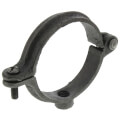

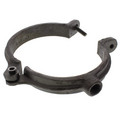

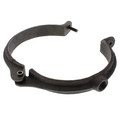


Black split rings are pipe hanger components used to suspend pipe runs from ceiling joists, beams, or structural steel using threaded rod. Contractors rely on them for heating, plumbing, and gas piping installations where periodic support points keep pipe level and prevent sagging between fixed connections. A typical black split ring uses a hinged construction that opens to fit around the pipe, then closes and locks in place before the rod threads through the top eye.
The black finish refers to an uncoated or lacquered carbon steel construction, distinct from galvanized rings rated for higher-moisture or exterior environments. Sizing follows nominal pipe diameters, with rings selected to match the outside diameter of the pipe being supported, whether copper, steel, or CPVC. Choosing the correct ring size and hanger spacing keeps pipe runs supported at code-required intervals and reduces stress on joints and fittings over time.
Subcategories
- Standard Split Ring Hangers: Standard split ring hangers are made from steel and sized to fit copper, threaded steel, and CPVC pipe on interior runs. Plumbers and heating contractors use them as the default hanger for horizontal pipe supported from a joist or beam with threaded rod. Ring sizes correspond to common nominal pipe diameters, letting an installer match the hanger directly to the pipe without added adapters.
- Adjustable Split Ring Hangers: Adjustable split ring hangers include a swivel or turnbuckle connection that lets an installer fine-tune pipe height and pitch after the rod is set. Steam fitters and hydronic heating contractors specify these where a precise slope is required for proper condensate return or air venting. The adjustment feature saves a second trip back to reposition the rod once the pipe is hung.
- Extension Split Rings: Extension split rings use a longer strap length to reach a mounting point above a low ceiling or across ductwork that a standard-length ring can't clear. HVAC and mechanical installers use them on tight ceiling cavities where the joist or beam sits farther from the pipe than usual. The added strap length keeps the ring functional without needing a custom rod length.
- Insulated Split Rings: Insulated split rings include a protective liner or clamp shield that prevents point-contact wear on insulated hot or chilled water pipe. Mechanical contractors specify them on insulated distribution piping to protect the vapor barrier from being pierced by the ring itself. The liner also reduces noise transmission where pipe expansion causes minor movement against the hanger.
Buying Guide
Ring size should match the nominal outside diameter of the pipe being hung, since an undersized ring crushes insulation or binds against the pipe wall while an oversized ring allows movement and noise. Pipe material matters too, since copper tubing, threaded steel pipe, and CPVC each have different actual outside diameters even at the same nominal size, making it worth checking the ring's rated range against the specific pipe type before ordering.
Rod thread size is the next detail to confirm. Most black split rings accept common 1/4 inch or 3/8 inch threaded rod, and the ring's top eye should match the rod diameter already specified for the job or called for in the mechanical drawings. Weight capacity also varies by ring gauge and size, so heavier pipe runs, especially those filled with water or refrigerant, need a rated capacity that accounts for the full operating weight rather than the empty pipe alone.
For any run supporting insulated pipe, the added outside diameter of the insulation itself needs to factor into sizing Black Split Rings, since the ring must close around the insulation and shield, not just the bare pipe. Hanger spacing should follow the pipe manufacturer's or local code's maximum interval to prevent sagging between support points, particularly on longer horizontal runs.
Frequently Asked Questions
What's the difference between a black split ring and a galvanized split ring?
Black split rings use an uncoated or lacquered carbon steel construction, while galvanized rings have a zinc coating that resists corrosion. Black rings are typically used on interior, conditioned-space piping such as hot water heat, while galvanized rings hold up better in damp or exterior locations.
How is the correct split ring size determined?
The ring should match the nominal size of the pipe being supported, with insulated pipe requiring a larger ring to clear the insulation thickness. Checking the ring's rated diameter range against the actual outside diameter of the pipe and any insulation prevents a ring that ends up too tight or too loose.
Can black split rings be used on gas piping?
Black split rings are commonly used to support black iron gas pipe since the finish and rated capacity suit that application. Local code should be checked for required hanger spacing and rod size on gas piping runs.
What rod size do black split rings typically use?
Most black split rings are drilled and tapped for 1/4 inch or 3/8 inch threaded rod, matching the sizes most commonly specified in mechanical drawings. Confirming the ring's rod thread size against the rod already specified for a job avoids a mismatched fitting.
Do split rings need additional support on long pipe runs?
Hanger spacing should follow the pipe manufacturer's or local code's maximum interval, since a single ring isn't enough support across an entire run. Additional rings placed at the required intervals keep the pipe level and reduce stress at joints and fittings.
