


Pipe Hangers, Clamps & Support Brackets
Pipe hangers, clamps, and support brackets suspend or anchor pipe runs from overhead structures, beams, and framing. The category spans clevis hangers for stationary pipe, C clamps and beam clamps for attaching to structural steel, and swivel rings that let a pipe rotate slightly during thermal movement.
Selecting the right hanger style depends on the mounting structure and whether the pipe needs to move slightly with temperature changes, since a rigid hanger can stress a pipe that expands and contracts significantly. Band iron and strapping give installers a way to fabricate custom supports for less common configurations.
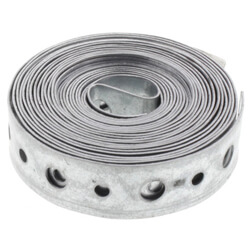


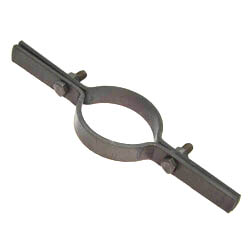
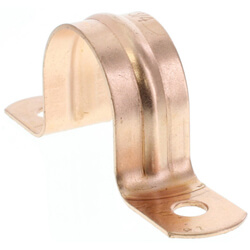
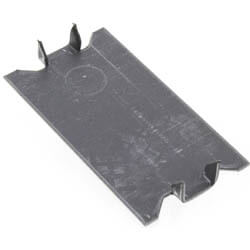
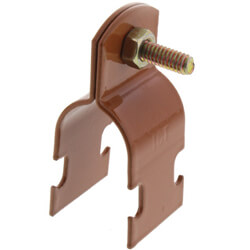

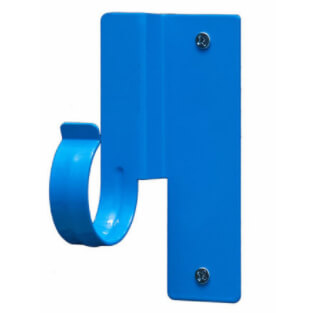
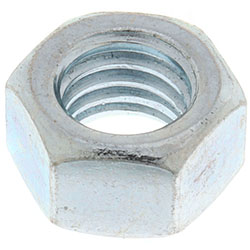
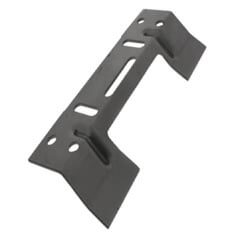
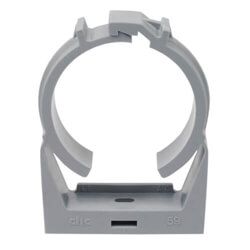
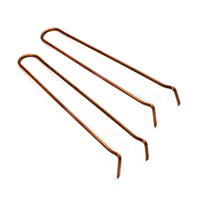

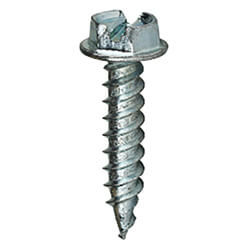
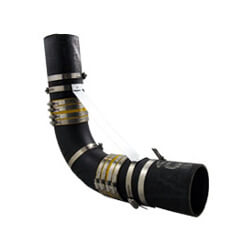
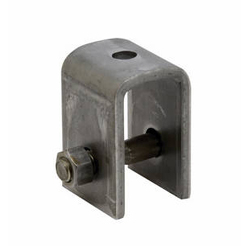
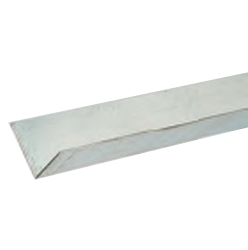
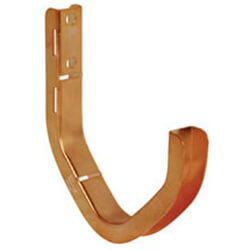

Band Iron and Strapping is thin metal strap material used to fabricate custom pipe hangers and supports when a pipe must be hung lower than a J-hook or bracket can reach. Band iron is available in copper and iron, sold in coiled lengths that can be cut and bent to the required shape on site. It is commonly used in residential plumbing to suspend copper tubing from joists and framing at variable drop distances.
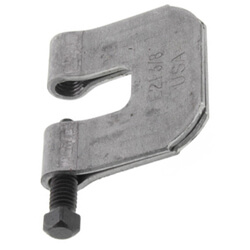
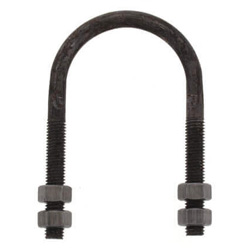
C Clamps are pipe hanger attachment devices shaped like the letter C, used to fasten hanger rods and supports to I-beams, wide flange beams, and channel sections. The C-clamp threads onto the beam flange and a locking nut secures the connection against vibration loosening. C-clamps are used in commercial and industrial mechanical piping installations where hanger rods must be attached to structural steel without drilling or welding.
Beam Clamps attach pipe hangers and hanger rods to the top or bottom flange of steel beams and bar joist construction used in commercial and industrial roof and floor applications. Beam clamps are designed for installations where drilling the structural member is not permitted and are available in configurations for top flange, bottom flange, and bar joist attachment.
Clevis Hangers are pipe hangers used to suspend stationary pipe from hanger rods in both horizontal and vertical applications. They consist of a U-shaped clevis that cradles the pipe and a top bolt that attaches to a hanger rod. Clevis hangers are available in carbon steel, electro-galvanized, and copper finishes for non-insulated pipe, and in insulated versions for pre-insulated pipe lines.
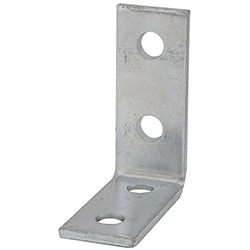
Pipe Support Brackets attach directly to walls, studs, and framing to support horizontal pipe runs in residential and commercial plumbing installations. They are used for supporting 1/2" to 2" piping in toilet, sink, lavatory, and other wall-mounted fixture applications, and for securing supply and drain lines along framing runs.
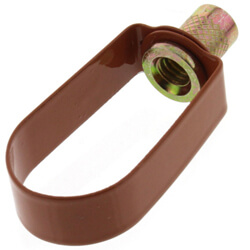
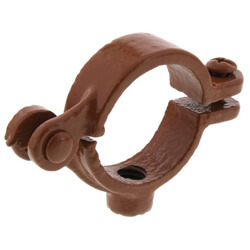
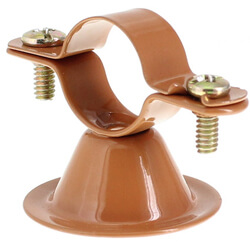
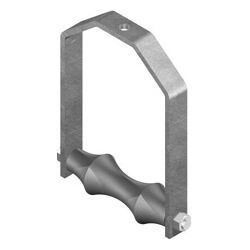
Swivel Rings are pipe support rings that rotate on a threaded bolt, allowing the pipe to shift slightly in the horizontal or vertical plane after installation. They are used to suspend pipe from joists, steel beams, wooden rafters, or walls in both horizontal and vertical orientations. The swivel action accommodates minor misalignment during installation without distorting the pipe or the support structure.
Pipe material determines the hanger type and finish required. Copper pipe must not contact ferrous metal without a protective liner or coating, as direct contact causes galvanic corrosion. Copper-finish hangers, plastic-lined clevis hangers, and copper band iron are used for copper pipe applications. Carbon steel and galvanized hangers are appropriate for steel, cast iron, and CPVC piping systems.
Hanger spacing is determined by pipe diameter, pipe material, and the fluid being conveyed. PVC and CPVC pipe requires closer spacing than metal pipe because plastic is more susceptible to sagging under load, especially at elevated temperatures. Standard spacing for 3/4" copper pipe is 6 feet for horizontal runs and 10 feet for vertical runs. PVC drain, waste, and vent pipe is typically supported every 4 feet for 3" and smaller diameters.
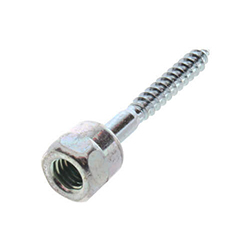
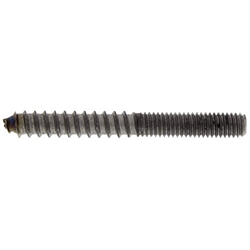
Attachment method to the structure determines which hanger type to use. C-clamps and beam clamps are used when attachment to structural steel is required without welding or drilling. Sammys and similar screw-in rod anchors allow hanger rods to be installed quickly in wood framing without pre-drilling a separate pilot hole.
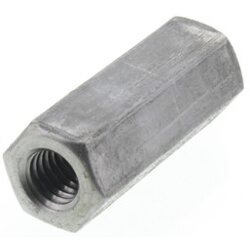
Load capacity must be confirmed for the combined weight of the pipe, fittings, fluid, and any insulation the hanger must carry. Hanger rods and rod couplings are rated by diameter, with 3/8" rod being the most common size in residential and light commercial applications. Riser clamps support vertical pipe runs through floor penetrations and must be sized for the total weight of the pipe column above.
What is the difference between a pipe hanger and a pipe clamp?
A pipe hanger suspends pipe from an overhead structure using a rod, strap, or bracket and allows some vertical adjustment. A pipe clamp secures pipe against a surface such as a wall, joist, or strut channel. Hangers are used for overhead or suspended pipe runs, while clamps and straps are used for pipe that runs along a wall or structural surface.
How far apart should pipe hangers be spaced?
For copper water pipe, horizontal runs are typically supported every 6 feet for 3/4" pipe and every 8 feet for 1" and larger. For PVC drain, waste, and vent pipe, support every 4 feet for 3" and smaller. PEX tubing in horizontal runs is supported every 32 to 48 inches. Always verify against local building code and the pipe manufacturer's published installation requirements.
Can I use a galvanized hanger with copper pipe?
Direct contact between galvanized steel and copper pipe creates a galvanic cell that corrodes the copper over time. For copper pipe, use copper-finish hangers, plastic-lined clevis hangers, or hangers with a protective liner between the steel and the copper pipe surface.
What size hanger rod do I need?
3/8" diameter threaded rod is the standard size for most residential and light commercial pipe hanger applications. 1/2" rod is used for heavier pipe materials and larger diameters, including cast iron soil pipe runs and larger steel pipe in commercial mechanical systems.
What is a riser clamp used for?
A riser clamp supports vertical pipe runs through floor openings, transferring the weight of the pipe column to the floor structure rather than allowing it to hang from pipe joints above. They are clamped around the pipe directly above the floor penetration and bear on the floor or a sleeve around the penetration.
Resources

 --%3E %3C!DOCTYPE svg PUBLIC '-//W3C//DTD SVG 1.1//EN' 'http://www.w3.org/Graphics/SVG/1.1/DTD/svg11.dtd'%3E %3Csvg version='1.1' id='Layer_1' xmlns='http://www.w3.org/2000/svg' xmlns:xlink='http://www.w3.org/1999/xlink' x='0px' y='0px' width='90px' height='90px' viewBox='0 0 90 90' enable-background='new 0 0 90 90' xml:space='preserve'%3E %3Crect x='27' y='23' fill='%23FFFFFF' width='43' height='44'/%3E %3Cg%3E %3Cdefs%3E %3Crect id='SVGID_1_' width='90' height='90'/%3E %3C/defs%3E %3CclipPath id='SVGID_2_'%3E %3Cuse xlink:href='%23SVGID_1_' overflow='visible'/%3E %3C/clipPath%3E %3Cpath clip-path='url(%23SVGID_2_)' fill='%234186AD' d='M45,0C20.1,0,0,20.1,0,45c0,24.9,20.1,45,45,45c24.9,0,45-20.1,45-45 C90,20.1,69.9,0,45,0'/%3E %3C/g%3E %3Cpath fill='%23FFFFFF' d='M60.6,47.4l-22.5,14c-0.5,0.3-1,0.399-1.5,0.399s-0.9-0.1-1.4-0.399c-0.9-0.5-1.4-1.4-1.4-2.5v-28 c0-1,0.6-2,1.4-2.5c0.9-0.5,2-0.5,2.9,0.1l22.5,14.1C61.4,43.1,61.9,44,61.9,45S61.4,46.9,60.6,47.4'/%3E %3C/svg%3E)
Band Iron and Strapping is thin metal strap material used to fabricate custom pipe hangers and supports when a pipe must be hung lower than a J-hook or bracket can reach. Band iron is available in copper and iron, sold in coiled lengths that can be cut and bent to the required shape on site. It is commonly used in residential plumbing to suspend copper tubing from joists and framing at variable drop distances.
C Clamps are pipe hanger attachment devices shaped like the letter C, used to fasten hanger rods and supports to I-beams, wide flange beams, and channel sections. The C-clamp threads onto the beam flange and a locking nut secures the connection against vibration loosening. C-clamps are used in commercial and industrial mechanical piping installations where hanger rods must be attached to structural steel without drilling or welding.
Beam Clamps attach pipe hangers and hanger rods to the top or bottom flange of steel beams and bar joist construction used in commercial and industrial roof and floor applications. Beam clamps are designed for installations where drilling the structural member is not permitted and are available in configurations for top flange, bottom flange, and bar joist attachment.
Clevis Hangers are pipe hangers used to suspend stationary pipe from hanger rods in both horizontal and vertical applications. They consist of a U-shaped clevis that cradles the pipe and a top bolt that attaches to a hanger rod. Clevis hangers are available in carbon steel, electro-galvanized, and copper finishes for non-insulated pipe, and in insulated versions for pre-insulated pipe lines.
Pipe Support Brackets attach directly to walls, studs, and framing to support horizontal pipe runs in residential and commercial plumbing installations. They are used for supporting 1/2" to 2" piping in toilet, sink, lavatory, and other wall-mounted fixture applications, and for securing supply and drain lines along framing runs.
Swivel Rings are pipe support rings that rotate on a threaded bolt, allowing the pipe to shift slightly in the horizontal or vertical plane after installation. They are used to suspend pipe from joists, steel beams, wooden rafters, or walls in both horizontal and vertical orientations. The swivel action accommodates minor misalignment during installation without distorting the pipe or the support structure.
Pipe material determines the hanger type and finish required. Copper pipe must not contact ferrous metal without a protective liner or coating, as direct contact causes galvanic corrosion. Copper-finish hangers, plastic-lined clevis hangers, and copper band iron are used for copper pipe applications. Carbon steel and galvanized hangers are appropriate for steel, cast iron, and CPVC piping systems.
Hanger spacing is determined by pipe diameter, pipe material, and the fluid being conveyed. PVC and CPVC pipe requires closer spacing than metal pipe because plastic is more susceptible to sagging under load, especially at elevated temperatures. Standard spacing for 3/4" copper pipe is 6 feet for horizontal runs and 10 feet for vertical runs. PVC drain, waste, and vent pipe is typically supported every 4 feet for 3" and smaller diameters.
Attachment method to the structure determines which hanger type to use. C-clamps and beam clamps are used when attachment to structural steel is required without welding or drilling. Sammys and similar screw-in rod anchors allow hanger rods to be installed quickly in wood framing without pre-drilling a separate pilot hole.
Load capacity must be confirmed for the combined weight of the pipe, fittings, fluid, and any insulation the hanger must carry. Hanger rods and rod couplings are rated by diameter, with 3/8" rod being the most common size in residential and light commercial applications. Riser clamps support vertical pipe runs through floor penetrations and must be sized for the total weight of the pipe column above.
What is the difference between a pipe hanger and a pipe clamp?
A pipe hanger suspends pipe from an overhead structure using a rod, strap, or bracket and allows some vertical adjustment. A pipe clamp secures pipe against a surface such as a wall, joist, or strut channel. Hangers are used for overhead or suspended pipe runs, while clamps and straps are used for pipe that runs along a wall or structural surface.
How far apart should pipe hangers be spaced?
For copper water pipe, horizontal runs are typically supported every 6 feet for 3/4" pipe and every 8 feet for 1" and larger. For PVC drain, waste, and vent pipe, support every 4 feet for 3" and smaller. PEX tubing in horizontal runs is supported every 32 to 48 inches. Always verify against local building code and the pipe manufacturer's published installation requirements.
Can I use a galvanized hanger with copper pipe?
Direct contact between galvanized steel and copper pipe creates a galvanic cell that corrodes the copper over time. For copper pipe, use copper-finish hangers, plastic-lined clevis hangers, or hangers with a protective liner between the steel and the copper pipe surface.
What size hanger rod do I need?
3/8" diameter threaded rod is the standard size for most residential and light commercial pipe hanger applications. 1/2" rod is used for heavier pipe materials and larger diameters, including cast iron soil pipe runs and larger steel pipe in commercial mechanical systems.
What is a riser clamp used for?
A riser clamp supports vertical pipe runs through floor openings, transferring the weight of the pipe column to the floor structure rather than allowing it to hang from pipe joints above. They are clamped around the pipe directly above the floor penetration and bear on the floor or a sleeve around the penetration.