




Filters
SORT
Product Availability –
Brand –
Size –
Review Score –
 --%3E %3Csvg version='1.1' id='Fill' xmlns='http://www.w3.org/2000/svg' xmlns:xlink='http://www.w3.org/1999/xlink' x='0px' y='0px' viewBox='0 0 100 100' enable-background='new 0 0 100 100' xml:space='preserve'%3E %3Cpath fill='%23F15C02' d='M79.44,0.95H20.56C9.78,0.95,0.95,9.78,0.95,20.56v58.87c0,10.79,8.82,19.61,19.61,19.61h58.87 c10.79,0,19.61-8.83,19.61-19.61V20.56C99.05,9.78,90.22,0.95,79.44,0.95z M65.38,58.24l9.38,29.58L49.69,69.78L24.5,87.82 l9.34-29.6L8.8,39.6l30.73-0.17c0,0,6.98-19.61,10-28.93c0.54,1.36,9.88,29.1,9.88,29.1H91.2L65.38,58.24z'/%3E %3C/svg%3E)
 --%3E %3Csvg version='1.1' id='With-RB' xmlns='http://www.w3.org/2000/svg' xmlns:xlink='http://www.w3.org/1999/xlink' x='0px' y='0px' viewBox='0 0 100 100' enable-background='new 0 0 100 100' xml:space='preserve'%3E %3Cpath fill='%23FBC8B4' d='M79.44,0.95H20.56C9.78,0.95,0.95,9.78,0.95,20.56v58.87c0,10.79,8.82,19.61,19.61,19.61h58.87 c10.79,0,19.61-8.83,19.61-19.61V20.56C99.05,9.78,90.22,0.95,79.44,0.95z M65.38,58.24l9.38,29.58L49.69,69.78L24.5,87.82 l9.34-29.6L8.8,39.6l30.73-0.17c0,0,6.98-19.61,10-28.93c0.54,1.36,9.88,29.1,9.88,29.1H91.2L65.38,58.24z'/%3E %3C/svg%3E)
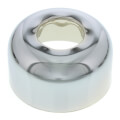
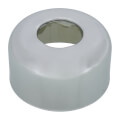
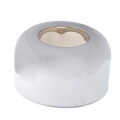
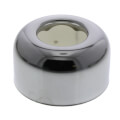
Box Escutcheons



 --%3E %3Csvg version='1.1' id='No-RB' xmlns='http://www.w3.org/2000/svg' xmlns:xlink='http://www.w3.org/1999/xlink' x='0px' y='0px' viewBox='0 0 100 100' enable-background='new 0 0 100 100' xml:space='preserve'%3E %3Cpath fill='%23CECECE' d='M79.44,0.95H20.56C9.78,0.95,0.95,9.78,0.95,20.56v58.87c0,10.79,8.82,19.61,19.61,19.61h58.87 c10.79,0,19.61-8.83,19.61-19.61V20.56C99.05,9.78,90.22,0.95,79.44,0.95z M65.38,58.24l9.38,29.58L49.69,69.78L24.5,87.82 l9.34-29.6L8.8,39.6l30.73-0.17c0,0,6.98-19.61,10-28.93c0.54,1.36,9.88,29.1,9.88,29.1H91.2L65.38,58.24z'/%3E %3C/svg%3E)


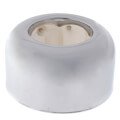
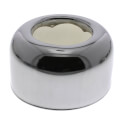
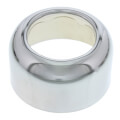
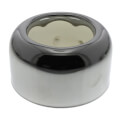
Box Escutcheons are trim plates that cover the hole cut through a wall or floor where a pipe passes, hiding rough openings and protecting the surface where the pipe enters. Plumbers install them behind supply stops, toilets, and other fixtures on both residential and commercial jobs to give the finished space a clean look. Deep bell and box styles, such as Sioux Chief's 923 Series, use chrome-plated steel construction and are pushed over the supply tube or pipe against the finished wall before the stop valve or tubular connection goes on, since the flange cannot pass over installed fittings once they are in place. Shallow styles sit closer to the wall for pipe that already comes through flush. Choosing the right depth and diameter keeps the escutcheon flush against uneven surfaces and prevents gaps that let debris or moisture reach the wall cavity.
Subcategories
- Shallow Escutcheons: Shallow escutcheons sit close to the wall or floor surface and suit installations where the pipe already comes through cleanly with little gap around the hole. Plumbers use them on standard supply stop and toilet installations where the rough opening matches the pipe diameter closely. Sioux Chief's 910 and 911 Series shallow escutcheons are a common example in this category. Their low profile keeps the trim close to the surface for a tight fit.
- Deep Bell/Box Escutcheons: Deep bell and box escutcheons extend further from the wall than shallow styles, covering larger or uneven rough openings that a flat plate cannot hide. Sioux Chief's 923 Series is made of chrome-plated steel and installs by sliding the flange over the supply tube or pipe and against the finished wall before the stop valve or tubular fitting is attached. Plumbers reach for these when a rough-in hole came out oversized or off-center. The added depth also gives a bit of flexibility when aligning the pipe to the fixture.
- Split Escutcheons: Split escutcheons include a hinge or slot cut through one side, letting the plate wrap around a pipe that already has a valve or fitting attached without disconnecting anything. Service plumbers rely on these for repair and retrofit work where removing an installed valve just to add trim is not practical. The split design trades a small visible seam for the ability to install after the fact. They are common in remodel and repair calls rather than new construction.
- Plastic/Poly Escutcheons: Plastic and poly escutcheons offer a lower cost, corrosion-resistant alternative to chrome-plated metal, useful in basements, utility areas, and other spaces where finish quality matters less than function. Sioux Chief's TrimTite line includes several poly escutcheon options sized to common pipe diameters. Installers favor these where moisture or humidity could corrode a metal plate over time. They snap or slide into place using the same basic method as metal versions.
Buying Guide
Selecting the right Box Escutcheons starts with measuring the rough opening around the pipe rather than just the pipe diameter itself. A hole cut larger than expected, common when a hole saw skips or a stud bay forces an odd angle, needs a deep bell or box style to cover the gap; a clean, tight hole works fine with a shallow plate. Matching outside diameter of the plate opening to the pipe size keeps the fit snug without forcing or leaving a visible gap.
Timing during installation also affects which style works. Most escutcheons, aside from split designs, must go on the pipe before any valve, stop, or tubular fitting is attached, since the flange has to pass over the full pipe end. On repair or remodel jobs where a valve is already installed and removing it is not practical, a split escutcheon solves the problem without extra disassembly.
Material choice comes down to where the plate will be seen and what conditions it will face. Chrome-plated steel gives a finished look for visible areas like under a lavatory or behind a toilet supply, and it matches typical fixture trim. Poly or plastic escutcheons cost less and resist corrosion better in damp basements, crawl spaces, or mechanical rooms where appearance matters less. Buying a few extra of the correct size on a rough-in job avoids a return trip if one gets damaged or a hole runs slightly large.
Frequently Asked Questions
What is the difference between a shallow and a deep box escutcheon?
Shallow escutcheons sit close to the wall for pipe that comes through a tight, clean hole, while deep bell and box escutcheons extend further out to cover larger or uneven rough openings. The deeper style also gives a bit more room to align the pipe before final connection. Choosing between them depends on how large and how clean the rough-in hole turned out.
Can an escutcheon be installed after the valve is already on the pipe?
Standard escutcheons need to slide over the pipe before any valve or fitting is attached, since the solid flange cannot pass over an installed part. Split escutcheons solve this by including a hinge or slot that lets the plate wrap around a pipe with a valve already in place. Split styles are the go-to choice for repair and retrofit work.
What material should a box escutcheon be made of?
Chrome-plated steel is common for visible fixture areas since it matches typical bath and kitchen trim, while poly or plastic escutcheons resist corrosion better in damp basements and mechanical rooms. The choice depends on whether the plate will be seen and what moisture conditions it will face. Both types install using the same basic slide-on or snap-on method.
How is the correct escutcheon size determined?
Escutcheon size depends on both the pipe outside diameter and the size of the rough opening cut into the wall or floor. A tight, accurately cut hole works with a shallow escutcheon sized to the pipe, while an oversized or rough-cut hole needs a deep style to fully cover the gap. Measuring both dimensions before ordering avoids a mismatch on site.
Are box escutcheons only used for supply lines?
Box escutcheons commonly cover supply stop and toilet supply penetrations, but the same trim style also covers drain, waste, and other pipe penetrations through finished walls and floors. Any spot where a pipe passes through a visible surface can benefit from an escutcheon to hide the rough opening. Sizing and depth selection follow the same rules regardless of what the pipe carries.
