




Filters
SORT
Product Availability –
Category –
Brand –
Application –
Size –
Review Score –
 --%3E %3Csvg version='1.1' id='Fill' xmlns='http://www.w3.org/2000/svg' xmlns:xlink='http://www.w3.org/1999/xlink' x='0px' y='0px' viewBox='0 0 100 100' enable-background='new 0 0 100 100' xml:space='preserve'%3E %3Cpath fill='%23F15C02' d='M79.44,0.95H20.56C9.78,0.95,0.95,9.78,0.95,20.56v58.87c0,10.79,8.82,19.61,19.61,19.61h58.87 c10.79,0,19.61-8.83,19.61-19.61V20.56C99.05,9.78,90.22,0.95,79.44,0.95z M65.38,58.24l9.38,29.58L49.69,69.78L24.5,87.82 l9.34-29.6L8.8,39.6l30.73-0.17c0,0,6.98-19.61,10-28.93c0.54,1.36,9.88,29.1,9.88,29.1H91.2L65.38,58.24z'/%3E %3C/svg%3E)
Price Range –
Dresser Couplings

 --%3E %3Csvg version='1.1' id='Half' xmlns='http://www.w3.org/2000/svg' xmlns:xlink='http://www.w3.org/1999/xlink' x='0px' y='0px' viewBox='0 0 100 100' enable-background='new 0 0 100 100' xml:space='preserve'%3E %3Cg%3E %3Cpath fill='%23F15C02' d='M30.05,70.23l3.79-12.01L8.8,39.6l30.73-0.17c0,0,6.98-19.61,10-28.93c0.54,1.36,9.88,29.1,9.88,29.1h1.58 L93.71,7.18c-3.58-3.82-8.66-6.23-14.28-6.23H20.56C9.78,0.95,0.95,9.78,0.95,20.56v58.87c0,5.41,2.22,10.32,5.79,13.88 L30.05,70.23z'/%3E %3C/g%3E %3Cpath fill='%23FBC8B4' d='M93.71,7.18L60.98,39.6H91.2L65.38,58.24l9.38,29.58L49.69,69.78L24.5,87.82l5.55-17.59L6.75,93.32 c3.55,3.54,8.44,5.73,13.82,5.73h58.87c10.79,0,19.61-8.83,19.61-19.61V20.56C99.05,15.4,97.01,10.69,93.71,7.18z'/%3E %3C/svg%3E)


 --%3E %3Csvg version='1.1' id='No-RB' xmlns='http://www.w3.org/2000/svg' xmlns:xlink='http://www.w3.org/1999/xlink' x='0px' y='0px' viewBox='0 0 100 100' enable-background='new 0 0 100 100' xml:space='preserve'%3E %3Cpath fill='%23CECECE' d='M79.44,0.95H20.56C9.78,0.95,0.95,9.78,0.95,20.56v58.87c0,10.79,8.82,19.61,19.61,19.61h58.87 c10.79,0,19.61-8.83,19.61-19.61V20.56C99.05,9.78,90.22,0.95,79.44,0.95z M65.38,58.24l9.38,29.58L49.69,69.78L24.5,87.82 l9.34-29.6L8.8,39.6l30.73-0.17c0,0,6.98-19.61,10-28.93c0.54,1.36,9.88,29.1,9.88,29.1H91.2L65.38,58.24z'/%3E %3C/svg%3E)
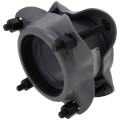
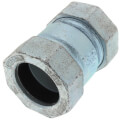

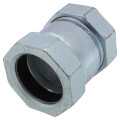
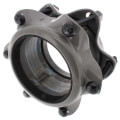
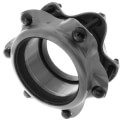
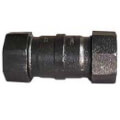
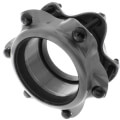
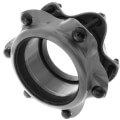
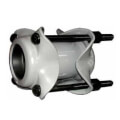
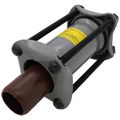

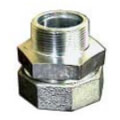
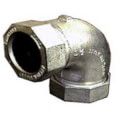
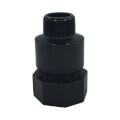

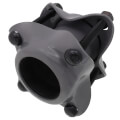
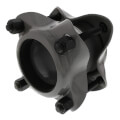
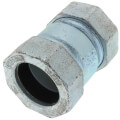
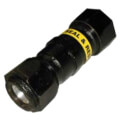
Dresser couplings splice two straight sections of pipe end-to-end using a sleeve that slides over the pipe with a threaded nut and molded rubber compression ring on each end, sealing the joint without welding, soldering, or pipe threading. Style 65 and Style 90 couplings handle pipe under 2 inches nominal at up to 300 psi, making them a common choice for straightforward repairs, extensions, or replacement sections on galvanized, PVC, ABS, copper, and CPVC lines. A technician tightens the two end nuts with standard wrenches, compressing the rubber rings against the pipe to form the seal, so no special tools or equipment are needed on the job site. That threadless, weld-free installation is what makes Dresser couplings a fast fix for a damaged or corroded pipe section that would otherwise require cutting in a full fitting and re-threading both ends.
Subcategories
- Style 65 Compression Couplings: This threadless handy version suits pipe under 2 inches nominal at pressures up to 300 psi. It installs with standard wrenches and no welding or threading. This is the most common choice for straightforward repair and extension work on residential and light commercial lines.
- Style 38 Bolted Sleeve Couplings: This bolted design covers larger diameter or higher-pressure steel pipe repairs. It suits industrial and utility work where a compression-style coupling doesn't cover the pipe size or pressure involved. The bolted sleeve construction differs from the threadless compression design used on smaller styles.
- Style 90 Couplings: This coupling shares the same handy, no-weld installation as Style 65 but is sized and rated for a different range of pipe repair applications. It works on the same general pipe materials, galvanized, PVC, ABS, copper, and CPVC. Confirming the specific size and pressure range against the job at hand determines whether this style or Style 65 fits better.
- Repair Sleeves for Specific Pipe Materials: Versions are sized and gasketed for galvanized, PVC, ABS, copper, or CPVC lines specifically. The compression ring material and sleeve dimensions need to match the pipe's outside diameter and surface for a proper seal. Selecting the version matched to the actual pipe material on the job avoids a seal failure.
Buying Guide
Pipe material and outside diameter are the first things to confirm on any Dresser Couplings order, since the compression ring inside each end nut needs to seal against the pipe's actual surface, whether that's galvanized steel, PVC, ABS, copper, or CPVC, and a coupling sized for the wrong material or diameter won't form a reliable seal. Style 65 covers pipe under 2 inches nominal at pressures up to 300 psi and installs with standard wrenches, no welding, soldering, or threading required, which makes it the default choice for a straightforward repair or extension on residential or light commercial lines. Larger diameter or higher-pressure steel pipe repairs call for a bolted sleeve design like Style 38 instead, since the compression style isn't rated for that range. Because the coupling relies on compressing a rubber ring against the pipe rather than a permanent bond, confirming that the existing pipe surface is round, free of major pitting, and within the coupling's size tolerance matters more than it would with a soldered or welded joint. The threadless, weld-free installation is the main reason to choose this style of coupling over cutting in a standard fitting: it turns a pipe repair that would otherwise require re-threading both ends into a job that needs only wrenches and the correct size coupling. Matching pipe material, diameter, and required pressure rating to the right style covers the decision that matters most on this kind of order.
Frequently Asked Questions
Do Dresser couplings require welding or soldering to install?
No. They install with standard wrenches by tightening threaded nuts that compress a rubber ring against the pipe on each end. No welding, soldering, or pipe threading is required.
What pipe materials work with Dresser couplings?
They're used on galvanized steel, PVC, ABS, copper, and CPVC pipe, among others. The coupling and its internal compression ring need to be sized for the specific pipe material and outside diameter being joined.
What's the pressure and size limit for a Style 65 coupling?
Style 65 handles pipe under 2 inches nominal at pressures up to 300 psi. Larger pipe or higher pressure applications typically call for a bolted sleeve design instead.
Can a Dresser coupling be used for a permanent repair or only temporary fixes?
The compression seal is designed to hold as a standard repair, not just a temporary patch, when installed on pipe within its size and pressure rating. Pipe condition, roundness and freedom from major pitting, still affects how well the seal holds over time.
What's the difference between Style 65 and Style 38 couplings?
Style 65 is a threadless compression design suited to smaller diameter pipe at moderate pressure, while Style 38 uses a bolted sleeve built for larger diameter or higher-pressure steel pipe repairs. The right choice depends on the pipe size and pressure involved.
