




EMT Conduit Fittings

Electrical Fittings



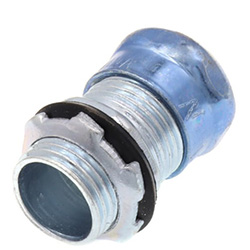
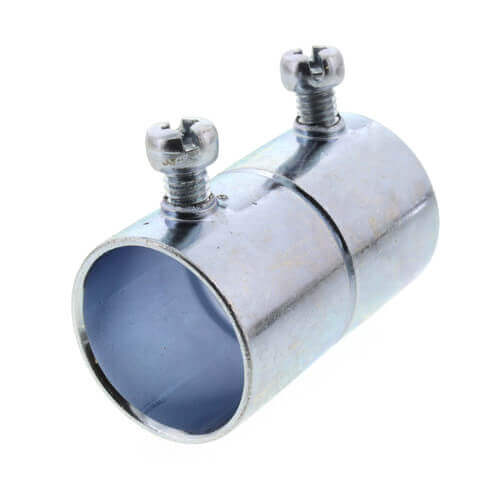
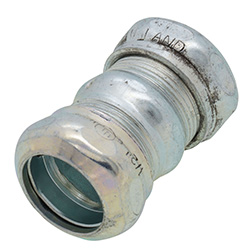
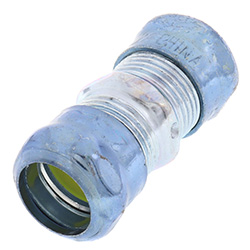


| PRODUCT | SIZE | SINGLE UNIT | BOX UP & SAVE | STOCK STATUS | LIST | COMPARE |
|---|

EMT conduit fittings connect and terminate electrical metallic tubing (EMT) runs in commercial and residential wiring installations. Electricians use these fittings to join lengths of thin-wall steel or aluminum conduit, secure conduit to junction boxes and panels, and change direction around obstructions without cutting into a continuous raceway. Fittings fall into a few core types: set-screw connectors and couplings for standard indoor runs, compression fittings rated for damp or wet locations, and indenter fittings that crimp onto the tubing for a permanent connection. Trade size options typically range from 1/2 inch up to 4 inch to match common EMT tubing diameters. Choosing the right fitting type keeps a raceway grounded, protected from moisture intrusion, and code-compliant for the space it serves, which matters on inspection day as much as it does for long-term system reliability.
Subcategories
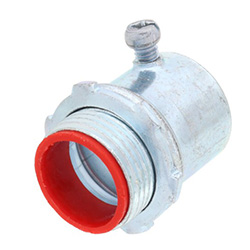
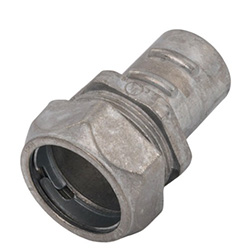
- Set-Screw Connectors & Couplings: Electricians reach for set-screw fittings on standard indoor commercial and residential runs, since a screw driven against the tubing wall holds the connection without special tools beyond a screwdriver. Connectors join conduit to a box or enclosure, while couplings splice two lengths of tubing together in a straight run. They're built for dry, indoor locations rather than damp or exposed exterior runs. Quick installation makes them a standard choice for interior branch circuit wiring in office buildings, schools, and multi-family housing.
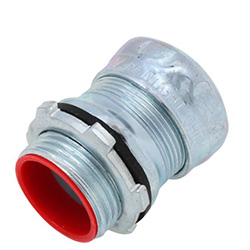
- Compression (Rain-Tight) Fittings: Compression fittings use a tightened gland or ferrule to seal around the tubing, which qualifies them for damp and wet locations where set-screw fittings aren't permitted. Installers use them on exterior conduit runs, rooftop equipment feeds, and anywhere moisture can reach the raceway. The sealed connection also helps keep debris and pests out of the tubing interior. They install with a bit more effort than set-screw options but hold up where a weathertight connection is required.
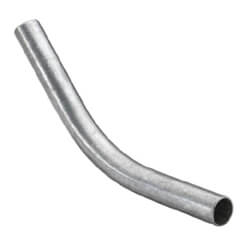
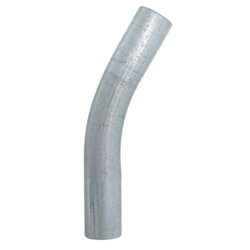
- 90° Elbows & Offsets: Elbows let a conduit run turn a corner without kinking or cutting the tubing, which preserves the interior wall for easier wire pulling. Offsets step the conduit slightly to one side, commonly used to bring tubing flush against a box or around a shallow obstruction. Both are available in the same trade sizes as straight EMT tubing so they match existing runs without adapters. Electricians favor factory-made elbows over field bends when a tight, consistent radius matters for wire-pulling tension.
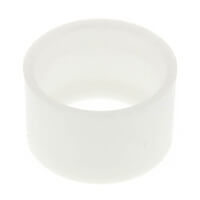
- Insulated Throat Connectors: Insulated throat connectors add a plastic bushing inside the fitting where conductors pass through, protecting wire insulation from the sharp edge of cut tubing. Electrical codes commonly require this insulation once conductor size crosses a certain threshold, so these fittings show up often on larger branch circuits and feeders. They install the same way as standard set-screw or compression connectors, with the bushing already molded in. Skipping this step on qualifying circuits is one of the more common inspection callbacks on commercial jobs.
Buying Guide
Start by matching the fitting to the tubing's trade size and material. Fittings are sized to trade size, from 1/2 inch up through 4 inch, and steel fittings should pair with steel tubing rather than aluminum to avoid galvanic corrosion at the joint. Next, consider where the run is located. Indoor, dry runs behind walls or above ceilings can use set-screw connectors and couplings, which install fastest with common hand tools. Runs exposed to moisture, including rooftop, exterior, or below-grade transitions, call for compression fittings rated for wet or damp locations. Skipping this distinction is one of the more common reasons a raceway fails inspection or corrodes prematurely.
Choosing the right EMT conduit fittings for a job also means checking conductor size and count. Larger conductors typically require an insulated throat connector to protect wire insulation from the tubing's cut edge, so checking the circuit's wire gauge before ordering standard connectors avoids a mismatch. For runs that change direction, deciding between a factory elbow and a field bend matters too. Elbows and offsets in the same trade size keep the raceway's bend radius consistent, which makes pulling wire through the run easier than working around a tight field bend.
Finally, match connector type to the enclosure. Not every box or panel knockout accepts every fitting style, so confirming the connector's locknut and throat size fit the enclosure before finalizing an order prevents a rough-in inspection delay over a mismatched piece.
Frequently Asked Questions
What size EMT conduit fitting matches 3/4 inch tubing?
The fitting's trade size should match the tubing size stamped on the conduit, so 3/4 inch tubing takes a 3/4 inch connector, coupling, or elbow. Trade sizes stay consistent across fitting types, so a compression connector and a set-screw connector marked 3/4 inch fit the same tubing.
Can set-screw fittings be used outdoors?
Set-screw fittings are built for dry, indoor locations and aren't intended for exposed exterior runs or anywhere moisture can reach the connection. Compression fittings carry a rain-tight design that makes them the better choice for rooftop, exterior, or damp-location work.
Do EMT fittings work with rigid or IMC conduit?
EMT fittings are sized and threaded specifically for electrical metallic tubing and don't interchange with rigid metal conduit or intermediate metal conduit fittings. Each conduit type uses its own connector, coupling, and elbow line even when the outside diameters look similar.
When is an insulated throat connector required instead of a standard one?
Insulated throat connectors are typically required once a circuit's conductor size crosses the gauge threshold set by the applicable electrical code. Checking the circuit's wire gauge before ordering standard connectors helps the run pass inspection without a missing bushing.
Can steel EMT fittings connect to aluminum conduit?
Pairing steel fittings with aluminum tubing, or the reverse, sets up a galvanic reaction between the two metals at the joint over time. Matching fitting material to tubing material avoids that corrosion risk and keeps the connection electrically sound.
