




Filters
SORT
Product Availability –
Category –
Brand –
Number Of Gangs –
Application –
Material –
Color –
Review Score –
 --%3E %3Csvg version='1.1' id='Fill' xmlns='http://www.w3.org/2000/svg' xmlns:xlink='http://www.w3.org/1999/xlink' x='0px' y='0px' viewBox='0 0 100 100' enable-background='new 0 0 100 100' xml:space='preserve'%3E %3Cpath fill='%23F15C02' d='M79.44,0.95H20.56C9.78,0.95,0.95,9.78,0.95,20.56v58.87c0,10.79,8.82,19.61,19.61,19.61h58.87 c10.79,0,19.61-8.83,19.61-19.61V20.56C99.05,9.78,90.22,0.95,79.44,0.95z M65.38,58.24l9.38,29.58L49.69,69.78L24.5,87.82 l9.34-29.6L8.8,39.6l30.73-0.17c0,0,6.98-19.61,10-28.93c0.54,1.36,9.88,29.1,9.88,29.1H91.2L65.38,58.24z'/%3E %3C/svg%3E)
 --%3E %3Csvg version='1.1' id='With-RB' xmlns='http://www.w3.org/2000/svg' xmlns:xlink='http://www.w3.org/1999/xlink' x='0px' y='0px' viewBox='0 0 100 100' enable-background='new 0 0 100 100' xml:space='preserve'%3E %3Cpath fill='%23FBC8B4' d='M79.44,0.95H20.56C9.78,0.95,0.95,9.78,0.95,20.56v58.87c0,10.79,8.82,19.61,19.61,19.61h58.87 c10.79,0,19.61-8.83,19.61-19.61V20.56C99.05,9.78,90.22,0.95,79.44,0.95z M65.38,58.24l9.38,29.58L49.69,69.78L24.5,87.82 l9.34-29.6L8.8,39.6l30.73-0.17c0,0,6.98-19.61,10-28.93c0.54,1.36,9.88,29.1,9.88,29.1H91.2L65.38,58.24z'/%3E %3C/svg%3E)
Price Range –
Electrical Enclosures & Boxes

 --%3E %3Csvg version='1.1' id='No-RB' xmlns='http://www.w3.org/2000/svg' xmlns:xlink='http://www.w3.org/1999/xlink' x='0px' y='0px' viewBox='0 0 100 100' enable-background='new 0 0 100 100' xml:space='preserve'%3E %3Cpath fill='%23CECECE' d='M79.44,0.95H20.56C9.78,0.95,0.95,9.78,0.95,20.56v58.87c0,10.79,8.82,19.61,19.61,19.61h58.87 c10.79,0,19.61-8.83,19.61-19.61V20.56C99.05,9.78,90.22,0.95,79.44,0.95z M65.38,58.24l9.38,29.58L49.69,69.78L24.5,87.82 l9.34-29.6L8.8,39.6l30.73-0.17c0,0,6.98-19.61,10-28.93c0.54,1.36,9.88,29.1,9.88,29.1H91.2L65.38,58.24z'/%3E %3C/svg%3E)
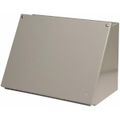
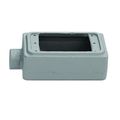
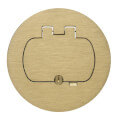
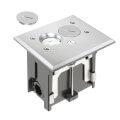

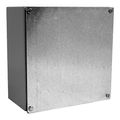
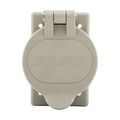
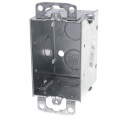
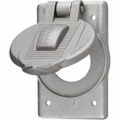
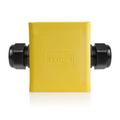
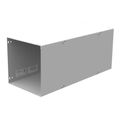
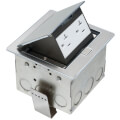

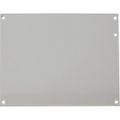
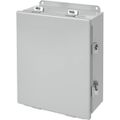
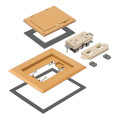
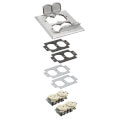
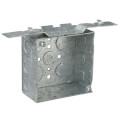

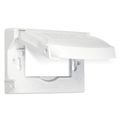
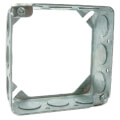
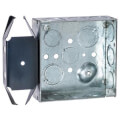
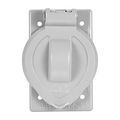

Electrical boxes do two jobs that never go out of style: protect wiring connections, and give devices a solid place to mount. The right box makes the install cleaner, keeps splices contained, and leaves enough room for wiring without turning the wall cavity into a wrestling match.
This category covers the everyday box types used across residential and light commercial work, from metallic device boxes and outlet boxes to weatherproof boxes, junction boxes, floor boxes, siding boxes, ceiling mounts, and specialty options like home theater and countertop boxes.
How to narrow the right box fast
Start with location and exposure
Indoor device and junction installs usually land in standard device boxes, outlet and mounting boxes, and junction boxes. Exterior installs generally call for weatherproof boxes plus the right cover and gasket strategy.
Weatherproof boxes and covers live here:
https://www.supplyhouse.com/Weatherproof-Boxes-and-Covers-20572000
Match the wall type and timing
New work and old work are separate problems with separate box styles. Filtering by application helps keep “open studs” options away from “finished wall” options.
Pick the gang count early
One-gang and two-gang drive most installs, and the filters support a quick gang count pass before drilling into box depth, knockouts, or mounting style.
Treat box covers as part of the box
Covers, raised rings, mud rings, and weatherproof covers are not afterthoughts.
Electrical box covers live here:
https://www.supplyhouse.com/Electrical-Box-Covers-35470000
Plan the conduit and cable entry
Knockout size, clamp style, and connector type drive real-world fit.
Conduit fittings that pair with these boxes live here:
https://www.supplyhouse.com/Electrical-Fittings-20580000
Common box picks by job:
Device installs in walls and ceilings
Metallic device boxes cover a big chunk of switches, receptacles, and device mounting work, especially when durability and grounding continuity matter.
Exterior outlets, lights, and exposed runs
Weatherproof boxes handle wet-location installs, then the cover choice finishes the job.
Weatherproof box covers live here:
https://www.supplyhouse.com/Weatherproof-Box-Covers-29635000
Splices and pull points
Junction boxes keep splices contained and accessible.
Junction boxes live here:
https://www.supplyhouse.com/Junction-Boxes-26320000
Finish work that needs a clean look
Floor boxes, countertop boxes, and low-profile specialty boxes help when the goal is power in the right place without an eyesore.
Related categories that get pulled into the same cart:
Receptacles that actually land in these boxes:
https://www.supplyhouse.com/Electrical-Receptacles-21582000
Wire and cable for the run:
https://www.supplyhouse.com/Electrical-Wire-20670000
Twist-on wire connectors for splices:
https://www.supplyhouse.com/Twist-On-Wire-Connectors-19931000
FAQs
What is the difference between a device box and a junction box?
A device box is built to mount a switch, receptacle, or device. A junction box is built to contain wire splices and connections, often at a pull point or branch location.
When does an old work box make sense?
Old work boxes are used when the wall is already finished and the box needs to clamp to drywall or plaster rather than nail to framing. The application filter separates old work from new work options.
What makes a box “weatherproof”?
Weatherproof boxes are built for wet-location exposure, and the cover and gasket strategy matters as much as the box. The clean approach is pairing a weatherproof box with a matching weatherproof cover rated for the device and orientation.
Why do box covers matter so much?
Covers close the enclosure, protect wiring, and create the right opening for the device. Raised covers and rings also solve depth and finish alignment issues.
