




Electrical Hand Tools
Electrical hand tools are the manual instruments that electricians and HVAC technicians use on the job. They cut, strip, crimp, bend, and fasten wire and conduit. The category covers everything from wire strippers and crimpers to conduit benders. These tools go in a tool bag rather than staying mounted on a truck.
Choosing the right hand tool often comes down to the wire gauge, conduit size, or connector type it's built for. A stripper or crimper sized for one gauge range can damage wire or produce an unreliable connection outside that range. Keeping a few dedicated tools on hand for the gauge ranges used most often is generally more reliable than relying on one adjustable tool for every job.
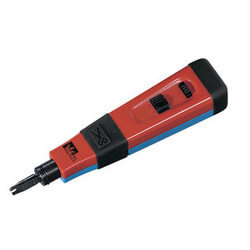
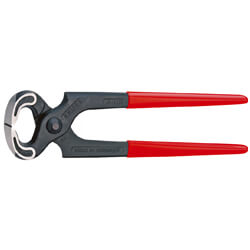
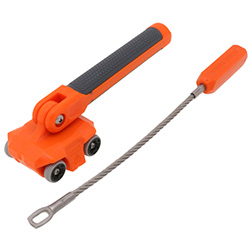
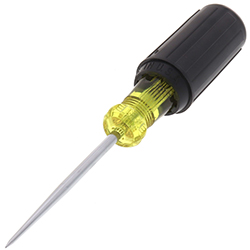

Subcategories
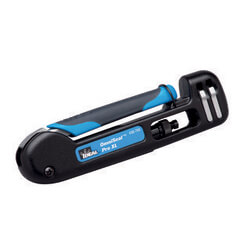
- Compression Tools: Compression Tools crimp connectors and lugs onto wire ends using a fixed or adjustable die, producing a mechanical connection that doesn't rely on solder. Electricians use them for terminating larger-gauge wire where a twist-on connector isn't rated for the load.
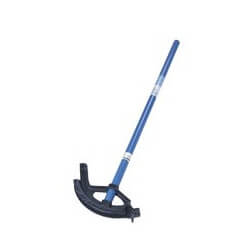
- Conduit Benders: Conduit Benders shape metal or PVC conduit into precise angles and offsets without kinking or flattening the tube. A hand bender is standard equipment for rough-in work where conduit has to route around framing, boxes, and other obstacles.
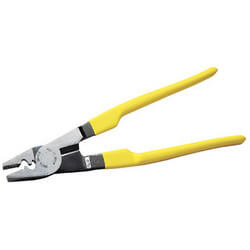
- Crimp Tools & Accessories: Crimp Tools & Accessories cover ratcheting and non-ratcheting crimpers along with the interchangeable dies that match specific connector and wire types. Having the correct die for a given connector is what keeps a crimped joint from pulling loose or overheating in service.
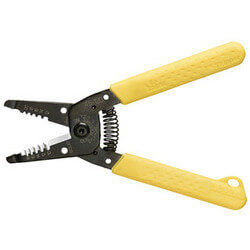
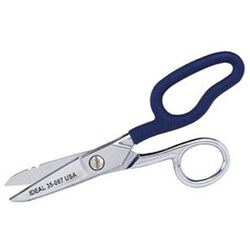
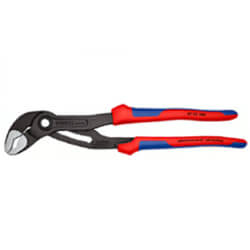
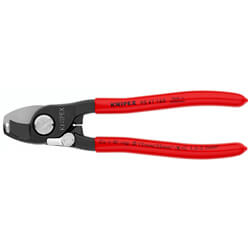
- Cutters & Scissors: Cutters & Scissors handle wire, cable, and light conduit cutting where a full-size cutting tool would be too bulky for tight electrical boxes or panels. Many models combine a cutting edge with a stripping notch for smaller-gauge wire.
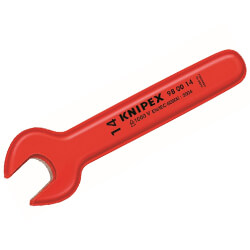
- Electrical Wrenches: Electrical Wrenches are sized and insulated for tightening lugs, ground clamps, and panel hardware without risking contact with live components nearby. Insulation ratings vary by model, so matching the wrench to the voltage present on a job is part of choosing the right one.
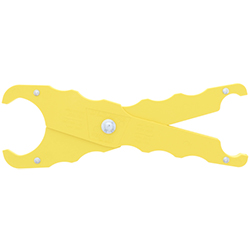
- Fuse Pullers: Fuse Pullers remove and install cartridge fuses from a panel or disconnect without requiring direct hand contact with the fuse or its clips. They're a low-cost tool that reduces the risk of an arc or shock during routine fuse replacement.
Buying Guide
Electrical hand tools last longer and perform better when they're matched to the actual wire gauge, conduit size, and connector type used on a given job. That approach beats picking a tool for general-purpose flexibility. A crimper or stripper rated for a narrow gauge range typically produces a more consistent result than an adjustable tool covering a wide range.
Insulated ratings matter for any tool that could contact live components, including wrenches, pliers, and screwdrivers used near panels or disconnects. Checking the voltage rating printed on the tool against the voltage present on the job keeps the insulation rating relevant rather than just a marketing label.
Ergonomics affect all-day usability more than most buyers expect going in. Handle length, grip material, and the force required to close a crimp or cutter add up over a full shift. Testing a tool's feel before committing to a specific model is worth the extra step.
Interchangeable dies extend the life of a crimping or compression tool by letting one handle work across multiple connector types instead of buying a separate tool for each. Confirming die compatibility with the specific connectors used on a job avoids ending up with a handle that has no matching die in stock.
Storage and organization matter for a full electrical hand tool set, since a missing stripper or the wrong-size bender mid-job slows down an entire crew. A dedicated pouch or case keeps frequently used tools together and makes it easier to spot when something needs replacing.
Frequently Asked Questions
What's the difference between a crimping tool and a compression tool?
Crimping tools typically use interchangeable dies for a range of connector sizes and types. Compression tools are often built around one specific connector style. That produces a tighter, more specialized connection for that application.
Do insulated electrical hand tools expire or need replacement over time?
Insulation can degrade from wear, chemical exposure, or age. Inspect insulated tools regularly for cracks, cuts, or discoloration, and replace them when damage appears. This is part of standard safe practice.
Can one conduit bender handle multiple conduit sizes?
Most hand benders are sized for a specific conduit diameter. A crew running multiple conduit sizes on a job typically carries a bender for each size rather than one universal tool.
Why does wire gauge matter when choosing a stripper or crimper?
A stripper or crimper built for a specific gauge range applies the correct depth and pressure for that wire. Using it outside that range can nick the conductor, weaken the connection, or fail to seat a connector properly.
Are electrical hand tools different from general mechanical hand tools?
Many electrical hand tools share a basic shape with mechanical equivalents. They add insulation ratings, specialized jaws, or dies built for wire and connector work. General mechanical tools usually don't include these features.
Resources
Subcategories
- Compression Tools: Compression Tools crimp connectors and lugs onto wire ends using a fixed or adjustable die, producing a mechanical connection that doesn't rely on solder. Electricians use them for terminating larger-gauge wire where a twist-on connector isn't rated for the load.
- Conduit Benders: Conduit Benders shape metal or PVC conduit into precise angles and offsets without kinking or flattening the tube. A hand bender is standard equipment for rough-in work where conduit has to route around framing, boxes, and other obstacles.
- Crimp Tools & Accessories: Crimp Tools & Accessories cover ratcheting and non-ratcheting crimpers along with the interchangeable dies that match specific connector and wire types. Having the correct die for a given connector is what keeps a crimped joint from pulling loose or overheating in service.
- Cutters & Scissors: Cutters & Scissors handle wire, cable, and light conduit cutting where a full-size cutting tool would be too bulky for tight electrical boxes or panels. Many models combine a cutting edge with a stripping notch for smaller-gauge wire.
- Electrical Wrenches: Electrical Wrenches are sized and insulated for tightening lugs, ground clamps, and panel hardware without risking contact with live components nearby. Insulation ratings vary by model, so matching the wrench to the voltage present on a job is part of choosing the right one.
- Fuse Pullers: Fuse Pullers remove and install cartridge fuses from a panel or disconnect without requiring direct hand contact with the fuse or its clips. They're a low-cost tool that reduces the risk of an arc or shock during routine fuse replacement.
Buying Guide
Electrical hand tools last longer and perform better when they're matched to the actual wire gauge, conduit size, and connector type used on a given job. That approach beats picking a tool for general-purpose flexibility. A crimper or stripper rated for a narrow gauge range typically produces a more consistent result than an adjustable tool covering a wide range.
Insulated ratings matter for any tool that could contact live components, including wrenches, pliers, and screwdrivers used near panels or disconnects. Checking the voltage rating printed on the tool against the voltage present on the job keeps the insulation rating relevant rather than just a marketing label.
Ergonomics affect all-day usability more than most buyers expect going in. Handle length, grip material, and the force required to close a crimp or cutter add up over a full shift. Testing a tool's feel before committing to a specific model is worth the extra step.
Interchangeable dies extend the life of a crimping or compression tool by letting one handle work across multiple connector types instead of buying a separate tool for each. Confirming die compatibility with the specific connectors used on a job avoids ending up with a handle that has no matching die in stock.
Storage and organization matter for a full electrical hand tool set, since a missing stripper or the wrong-size bender mid-job slows down an entire crew. A dedicated pouch or case keeps frequently used tools together and makes it easier to spot when something needs replacing.
Frequently Asked Questions
What's the difference between a crimping tool and a compression tool?
Crimping tools typically use interchangeable dies for a range of connector sizes and types. Compression tools are often built around one specific connector style. That produces a tighter, more specialized connection for that application.
Do insulated electrical hand tools expire or need replacement over time?
Insulation can degrade from wear, chemical exposure, or age. Inspect insulated tools regularly for cracks, cuts, or discoloration, and replace them when damage appears. This is part of standard safe practice.
Can one conduit bender handle multiple conduit sizes?
Most hand benders are sized for a specific conduit diameter. A crew running multiple conduit sizes on a job typically carries a bender for each size rather than one universal tool.
Why does wire gauge matter when choosing a stripper or crimper?
A stripper or crimper built for a specific gauge range applies the correct depth and pressure for that wire. Using it outside that range can nick the conductor, weaken the connection, or fail to seat a connector properly.
Are electrical hand tools different from general mechanical hand tools?
Many electrical hand tools share a basic shape with mechanical equivalents. They add insulation ratings, specialized jaws, or dies built for wire and connector work. General mechanical tools usually don't include these features.