




Filters
SORT
Product Availability –
Material –
Voltage –
Wattage –
Review Score –
 --%3E %3Csvg version='1.1' id='Fill' xmlns='http://www.w3.org/2000/svg' xmlns:xlink='http://www.w3.org/1999/xlink' x='0px' y='0px' viewBox='0 0 100 100' enable-background='new 0 0 100 100' xml:space='preserve'%3E %3Cpath fill='%23F15C02' d='M79.44,0.95H20.56C9.78,0.95,0.95,9.78,0.95,20.56v58.87c0,10.79,8.82,19.61,19.61,19.61h58.87 c10.79,0,19.61-8.83,19.61-19.61V20.56C99.05,9.78,90.22,0.95,79.44,0.95z M65.38,58.24l9.38,29.58L49.69,69.78L24.5,87.82 l9.34-29.6L8.8,39.6l30.73-0.17c0,0,6.98-19.61,10-28.93c0.54,1.36,9.88,29.1,9.88,29.1H91.2L65.38,58.24z'/%3E %3C/svg%3E)
 --%3E %3Csvg version='1.1' id='With-RB' xmlns='http://www.w3.org/2000/svg' xmlns:xlink='http://www.w3.org/1999/xlink' x='0px' y='0px' viewBox='0 0 100 100' enable-background='new 0 0 100 100' xml:space='preserve'%3E %3Cpath fill='%23FBC8B4' d='M79.44,0.95H20.56C9.78,0.95,0.95,9.78,0.95,20.56v58.87c0,10.79,8.82,19.61,19.61,19.61h58.87 c10.79,0,19.61-8.83,19.61-19.61V20.56C99.05,9.78,90.22,0.95,79.44,0.95z M65.38,58.24l9.38,29.58L49.69,69.78L24.5,87.82 l9.34-29.6L8.8,39.6l30.73-0.17c0,0,6.98-19.61,10-28.93c0.54,1.36,9.88,29.1,9.88,29.1H91.2L65.38,58.24z'/%3E %3C/svg%3E)
Price Range –
Elements


 --%3E %3Csvg version='1.1' id='No-RB' xmlns='http://www.w3.org/2000/svg' xmlns:xlink='http://www.w3.org/1999/xlink' x='0px' y='0px' viewBox='0 0 100 100' enable-background='new 0 0 100 100' xml:space='preserve'%3E %3Cpath fill='%23CECECE' d='M79.44,0.95H20.56C9.78,0.95,0.95,9.78,0.95,20.56v58.87c0,10.79,8.82,19.61,19.61,19.61h58.87 c10.79,0,19.61-8.83,19.61-19.61V20.56C99.05,9.78,90.22,0.95,79.44,0.95z M65.38,58.24l9.38,29.58L49.69,69.78L24.5,87.82 l9.34-29.6L8.8,39.6l30.73-0.17c0,0,6.98-19.61,10-28.93c0.54,1.36,9.88,29.1,9.88,29.1H91.2L65.38,58.24z'/%3E %3C/svg%3E)


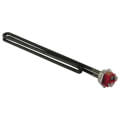

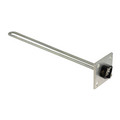





Elements are the replacement heating elements used inside electric water heaters and similar tank-style equipment to convert electrical current into the heat that warms stored water. When an electric water heater stops producing hot water or takes far longer than usual to recover, a failed element is one of the first things a technician checks. The parts thread or bolt into the tank at a specific wattage and voltage rating that has to match the original equipment, since installing the wrong element can trip breakers or damage the water heater's thermostat. Elements are a routine wear item, and most electric water heaters use two, an upper and a lower, that can fail independently of each other. Stocking a range of common wattage and voltage combinations lets a service tech handle most electric water heater callbacks without a special order, which matters when a customer is without hot water and waiting on a same-day fix.
Subcategories
- Screw-In Elements: Screw-in elements thread directly into a fitting welded into the tank wall and are the more common style on newer electric water heaters. They seal against a gasket at the threaded connection, so a fresh gasket is worth installing anytime the element comes out. Technicians favor this style for the straightforward swap it allows without draining major additional plumbing. Matching wattage and voltage to the original element is still required even though the physical fit is standardized.
- Bolt-In (Flange) Elements: Bolt-in elements mount on a flange held in place by several bolts around a gasketed opening, a style more common on older or larger-capacity tanks. Spreading the connection across multiple bolts can make the flange less prone to a single point of leakage than a screw-in fitting, though servicing it takes longer. Contractors working on older commercial or high-capacity residential tanks are more likely to run into this style. The gasket should always be replaced when the flange is removed, not reused.
- Low-Watt-Density Elements: Low-watt-density elements spread the same wattage over a larger surface area, keeping the element's surface temperature lower and reducing mineral scale buildup in hard-water areas. They are a common recommendation when a customer has repeat element failures tied to sediment or scale rather than simple wear. Contractors sometimes upgrade a tank to this style during a service call specifically to cut down on future callbacks in hard-water regions. They fit the same mounting style as standard elements, so no other tank modification is needed.
- Element Gaskets and Wrenches: A fresh gasket is required practically every time an element is removed and reinstalled, whether screw-in or bolt-in style, since reusing a compressed gasket is a common cause of a slow leak after service. Element wrenches are sized specifically for the hex or square broach on the element head and make removal far easier than an adjustable wrench, especially on a corroded or overtightened element. Keeping both on the truck alongside a stock of common elements avoids a second trip for a part that would otherwise be overlooked.
Buying Guide
Before ordering a replacement, both the wattage and voltage stamped on the failed element need confirming, since the two ratings have to match the original for the water heater to heat properly and safely. A higher-wattage element draws more current than the circuit and thermostat were designed for, which can trip breakers or shorten the life of the thermostat. Physical fit matters just as much: measuring the length of the failed part and confirming whether it is a screw-in or bolt-in style comes before ordering Elements for a swap, since the two mounting styles are not interchangeable without also replacing the tank fitting. In hard-water areas, a low-watt-density element is worth considering even if the failed one was not that style, since spreading the same wattage over more surface area cuts down on scale buildup and repeat failures. The gasket should always be replaced along with the element rather than reused, since a compressed gasket rarely reseals properly once disturbed. If a customer has had more than one element fail within a short span, checking the anode rod and water hardness before assuming the new element is defective makes sense, since scale and corrosion are common root causes that a new element alone will not fix. Keeping a small stock of the most common wattage and voltage combinations on the truck covers the majority of same-day water heater service calls.
Frequently Asked Questions
How can a technician tell if it is the upper or lower element that failed?
If the water heater still produces some hot water but runs out fast, the lower element is often the one that failed, since the upper element handles the top portion of the tank. No hot water at all more often points to a failed upper element or its thermostat cutting off the circuit to the lower element. Testing each element for continuity with a multimeter is the reliable way to confirm which one failed rather than guessing from symptoms alone.
Is it fine to install a higher-wattage element than the original?
No, the wattage has to match what the circuit, breaker, and thermostat were sized for. A higher-wattage element draws more current than the system was designed to handle, which can trip the breaker repeatedly or damage the thermostat over time. Matching the wattage stamped on the failed element is the safer approach unless the tank's full electrical setup has also been verified to support a change.
Does the gasket need replacing every time?
Yes. The gasket compresses when the element is first installed, and reusing a compressed gasket is one of the most common causes of a slow leak after a service call. A new gasket costs little compared to a return trip for a leak.
What is the benefit of a low-watt-density element?
Spreading the same wattage over a larger surface area lowers the element's surface temperature and slows mineral scale buildup. The result is a good option for customers in hard-water areas who have had repeat element failures, even though it fits the same mounting style as a standard element.
Why does a new element sometimes fail again quickly?
Repeat failures usually point to a root cause beyond the element itself, most often heavy scale buildup, a failed anode rod, or sediment in the tank. Replacing the element without addressing water hardness or checking the anode rod often just leads to another failure within a similar timeframe.
