




Filters
SORT
Product Availability –
Connection Type –
Connection Size –
Features –
Review Score –
 --%3E %3Csvg version='1.1' id='Fill' xmlns='http://www.w3.org/2000/svg' xmlns:xlink='http://www.w3.org/1999/xlink' x='0px' y='0px' viewBox='0 0 100 100' enable-background='new 0 0 100 100' xml:space='preserve'%3E %3Cpath fill='%23F15C02' d='M79.44,0.95H20.56C9.78,0.95,0.95,9.78,0.95,20.56v58.87c0,10.79,8.82,19.61,19.61,19.61h58.87 c10.79,0,19.61-8.83,19.61-19.61V20.56C99.05,9.78,90.22,0.95,79.44,0.95z M65.38,58.24l9.38,29.58L49.69,69.78L24.5,87.82 l9.34-29.6L8.8,39.6l30.73-0.17c0,0,6.98-19.61,10-28.93c0.54,1.36,9.88,29.1,9.88,29.1H91.2L65.38,58.24z'/%3E %3C/svg%3E)
Price Range –
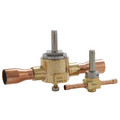
Emerson 200RB Series Solenoid Valves

 --%3E %3Csvg version='1.1' id='No-RB' xmlns='http://www.w3.org/2000/svg' xmlns:xlink='http://www.w3.org/1999/xlink' x='0px' y='0px' viewBox='0 0 100 100' enable-background='new 0 0 100 100' xml:space='preserve'%3E %3Cpath fill='%23CECECE' d='M79.44,0.95H20.56C9.78,0.95,0.95,9.78,0.95,20.56v58.87c0,10.79,8.82,19.61,19.61,19.61h58.87 c10.79,0,19.61-8.83,19.61-19.61V20.56C99.05,9.78,90.22,0.95,79.44,0.95z M65.38,58.24l9.38,29.58L49.69,69.78L24.5,87.82 l9.34-29.6L8.8,39.6l30.73-0.17c0,0,6.98-19.61,10-28.93c0.54,1.36,9.88,29.1,9.88,29.1H91.2L65.38,58.24z'/%3E %3C/svg%3E)

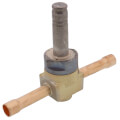
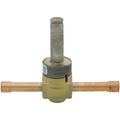
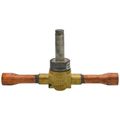
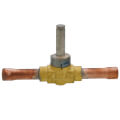
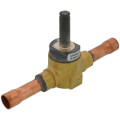
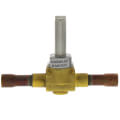
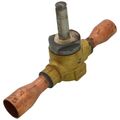
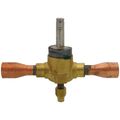
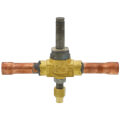
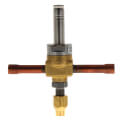
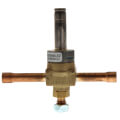
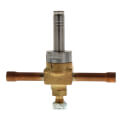
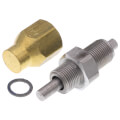


Emerson 200RB Series solenoid valves are pilot-operated valves used in refrigeration and air conditioning systems to open or close a line carrying liquid or gas refrigerant on command from a control circuit. Refrigeration and HVAC contractors install them wherever a system needs automatic, electrically controlled shutoff, such as isolating a section of a rack system, controlling a pump-down cycle, or protecting equipment during a defrost sequence. Because the valve is electrically actuated, it lets a control system manage refrigerant flow without a technician manually operating a shutoff.
Solenoid valves in this series connect into the copper line set with sweat or brazed fittings and pair with a separate coil that provides the electrical actuation. Choosing the correct valve for a given application matters because refrigerant type, line size, and the control sequence it needs to support all affect which body and coil combination will hold up and perform correctly over the life of the system.
Subcategories
- Liquid Line Solenoid Valves: Liquid line solenoid valves shut off the flow of liquid refrigerant, most commonly as part of a pump-down cycle that clears the evaporator of refrigerant before the compressor shuts off. Techs rely on these to protect the compressor from liquid refrigerant migration during off cycles. They're sized to the liquid line diameter at the point of installation.
- Suction and Discharge Line Valves: Suction and discharge line valves handle refrigerant vapor rather than liquid, often used to isolate sections of a multi-circuit rack system or manage defrost gas routing. Vapor applications typically run under different pressure and temperature conditions than a liquid line, so the valve has to be rated for vapor service in that part of the circuit. Rack and commercial refrigeration techs use them to bring individual evaporators or condensers on and off line independently.
- Replacement Coils: Replacement coils provide the electrical actuation that opens and closes a solenoid valve body, and they wear out or burn out independently of the valve body itself. Keeping the correct coil voltage and type on hand lets a tech restore a stuck-open or stuck-closed valve without replacing the entire valve assembly. Matching coil voltage to the existing control circuit is the main consideration when selecting a replacement.
Buying Guide
Match the valve body to where it sits in the refrigeration circuit before anything else. A valve built for liquid line service isn't necessarily the right choice for a suction or discharge line application, since the pressure, temperature, and flow characteristics differ across those parts of the system. Confirm the connection size against the existing line set so the valve can be brazed or sweated in without needing an additional reducing or expanding fitting.
Refrigerant compatibility is the next check. Older systems and newer low-GWP refrigerant retrofits don't always use the same seal and internal materials, so confirm the valve is rated for the specific refrigerant already running through that circuit rather than assuming compatibility across refrigerant types. Getting this wrong can lead to seal failure or a valve that won't hold pressure over time.
Coil voltage should match the control circuit exactly, and it's worth checking whether the coil ships separately from the valve body, since many pilot-operated valves are sold as a body only with the coil ordered as a separate item. Keep spare coils on hand for common voltages used across a service territory, since a coil failure is a far more common service call than a full valve body failure and a quick swap keeps downtime to a minimum on an active refrigeration system.
Frequently Asked Questions
What does a refrigeration solenoid valve actually do?
It opens or closes a refrigerant line automatically based on a signal from the system's control circuit, rather than requiring a technician to operate a manual shutoff. That automatic control lets sequences like pump-down and defrost manage refrigerant flow without manual intervention.
Do the valve body and coil need to be ordered separately?
On many pilot-operated solenoid valves, yes. The valve body and the electrical coil that actuates it are often sold as separate components, so confirm what's included before ordering a replacement.
Can a liquid line valve be used on a suction line instead?
Not necessarily. Liquid and vapor service see different pressure and temperature conditions, so the valve needs to be rated for the specific application it's installed in rather than assumed interchangeable across liquid and suction line service.
What usually fails first on a solenoid valve, the body or the coil?
The coil tends to fail more often than the valve body, since it's the electrically active component. Keeping common coil voltages in stock covers most solenoid valve service calls without needing a full valve replacement.
Why does refrigerant type matter when selecting a solenoid valve?
Different refrigerants can affect the internal seals and materials inside the valve over time, so a valve rated for one refrigerant isn't automatically safe to use with another. Confirming refrigerant compatibility before installation helps avoid premature seal failure.
