



'/%3E%3C/svg%3E)
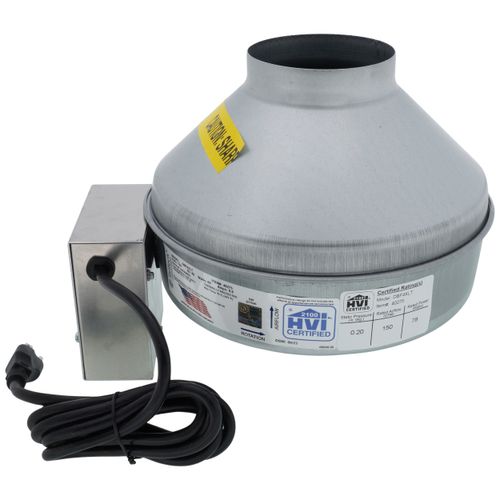
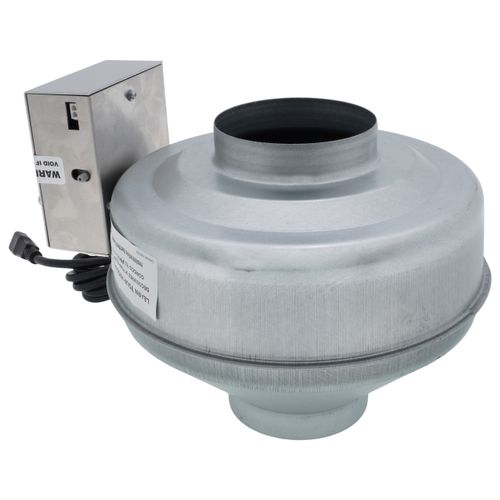
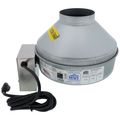
DBF4XLT Duct Booster Fan (Metal) w/ Cord and Wall Mt. Indicator Panel
 --%3E %3Csvg version='1.1' id='Fill' xmlns='http://www.w3.org/2000/svg' xmlns:xlink='http://www.w3.org/1999/xlink' x='0px' y='0px' viewBox='0 0 100 100' enable-background='new 0 0 100 100' xml:space='preserve'%3E %3Cpath fill='%23F15C02' d='M79.44,0.95H20.56C9.78,0.95,0.95,9.78,0.95,20.56v58.87c0,10.79,8.82,19.61,19.61,19.61h58.87 c10.79,0,19.61-8.83,19.61-19.61V20.56C99.05,9.78,90.22,0.95,79.44,0.95z M65.38,58.24l9.38,29.58L49.69,69.78L24.5,87.82 l9.34-29.6L8.8,39.6l30.73-0.17c0,0,6.98-19.61,10-28.93c0.54,1.36,9.88,29.1,9.88,29.1H91.2L65.38,58.24z'/%3E %3C/svg%3E)
 --%3E %3Csvg version='1.1' id='Half' xmlns='http://www.w3.org/2000/svg' xmlns:xlink='http://www.w3.org/1999/xlink' x='0px' y='0px' viewBox='0 0 100 100' enable-background='new 0 0 100 100' xml:space='preserve'%3E %3Cg%3E %3Cpath fill='%23F15C02' d='M30.05,70.23l3.79-12.01L8.8,39.6l30.73-0.17c0,0,6.98-19.61,10-28.93c0.54,1.36,9.88,29.1,9.88,29.1h1.58 L93.71,7.18c-3.58-3.82-8.66-6.23-14.28-6.23H20.56C9.78,0.95,0.95,9.78,0.95,20.56v58.87c0,5.41,2.22,10.32,5.79,13.88 L30.05,70.23z'/%3E %3C/g%3E %3Cpath fill='%23FBC8B4' d='M93.71,7.18L60.98,39.6H91.2L65.38,58.24l9.38,29.58L49.69,69.78L24.5,87.82l5.55-17.59L6.75,93.32 c3.55,3.54,8.44,5.73,13.82,5.73h58.87c10.79,0,19.61-8.83,19.61-19.61V20.56C99.05,15.4,97.01,10.69,93.71,7.18z'/%3E %3C/svg%3E)

'/%3E%3C/svg%3E)
Product Highlights


Description
Note This item is Not listed to the UL-705 DEDPV supplement approved to be used with Gas Supplied Driers.
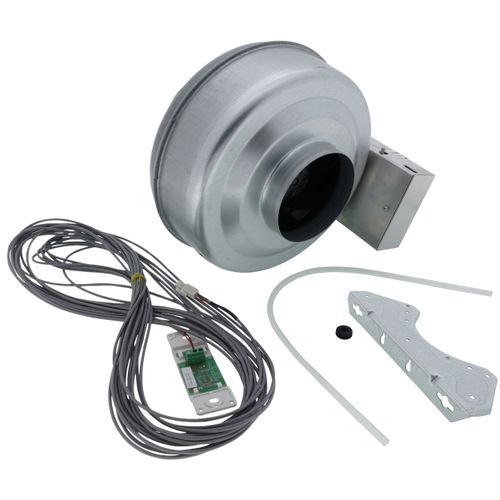
DBF 4XLT is a duct booster fan designed for boosting air on demand. The product is equipped with 5 feet power cord, indicator panel to indicate status of product operation and pressure-sensing switch that activates the fan once positive pressure is sensed in the duct line. The switch shuts the fan off when the pressure in the duct normalize.
Features:
- Performance certified by HVI; safety certified by ETL to UL507.
- Galvanized metal housing
- Pressure-sensing switch
- 5 feet power cord for 120V/1~
- Indicator panel with a signal cord
- Suitable for 4" ductwork
Specs
| Duct Size: | 4" |
|---|---|
| Voltage: | 115V |
| RPM: | 2800 |
| Max. Watts: | 83 |
| Max. Amps: | 0.73 |
| Warranty: | 5 Year |

Questions?
Compare Similar Products
You May Also Need
4 Replacement Parts

Need help finding a replacement part?
Product Reviews
Works great

I would buy this product again
 --%3E %3Csvg version='1.1' id='With-RB' xmlns='http://www.w3.org/2000/svg' xmlns:xlink='http://www.w3.org/1999/xlink' x='0px' y='0px' viewBox='0 0 100 100' enable-background='new 0 0 100 100' xml:space='preserve'%3E %3Cpath fill='%23FBC8B4' d='M79.44,0.95H20.56C9.78,0.95,0.95,9.78,0.95,20.56v58.87c0,10.79,8.82,19.61,19.61,19.61h58.87 c10.79,0,19.61-8.83,19.61-19.61V20.56C99.05,9.78,90.22,0.95,79.44,0.95z M65.38,58.24l9.38,29.58L49.69,69.78L24.5,87.82 l9.34-29.6L8.8,39.6l30.73-0.17c0,0,6.98-19.61,10-28.93c0.54,1.36,9.88,29.1,9.88,29.1H91.2L65.38,58.24z'/%3E %3C/svg%3E)
Time delay non adjustable
works gret
Would buy again
I would buy this product again
Yes I would buy it again, I did
Great Product and Easy Install
Straight forward installation. Cut drying time in half.
Cut dryer time in half
Product Q&A
4 QuestionsQ: I am thinking of installing an exhaust booster pump for my Navien Intermittent Gas Hot Water Heater as the present exhaust line is too long. Will this work on exhaust gas. Presently the exhausts pipes are white plastic so the temperature is quite low. Thanks./Thomas
Asked by Thomas 13 years ago
Add your answer
I would not think so. I have installed many of these and they are specifically designed for dryers. High efficiency gas fired water heaters (and furnaces) condensate in the exhaust line. Simply put they create water in the pvc pipe when running. When installed properly, the pvc exhaust vent will slope toward the water heater, and thus all the condensation will drain back to the water heater. The water heater will have a condensation drain that is run to a floor drain or pump. This exhaust fan would fill up with water if used in this configuration. Also the condensation is not just water but is also corrosive to certain materials and would clog the internal switching of this fan along with possibly burning out the motor. This is my opinion as you are trying to use a device for an unintended purpose and for the above reasons I believe it will fail. On another note, I do not know what model you have but I thought most Naviens would push 300' of pipe as long as it was 3" and not 2" pvc ( not including elbows as you know these count differently when figuring total length). If you haven't run your exhaust use 3" pipe. 300' is pretty hard to hit. If this is a reinstall, I'd get a power vent for flu applications. Good luck.
My thinking is yes it will work, as it is meant to move hot dryer air, BUT I would do a little research though. The water heater fan expects to push air out with a certain amount of back pressure I would suppose. So now you are going to introduce a booster fan into the system that will suck out air and possibly pull more air into the system resulting in flame out, or flame and pilot out, or improper combustion of the flame. I highly doubt the output of the heater in CFM's will be anywhere close to the high volume of air moved by the booster fan. If the CFM's were close I would not be very concerned and might just put the whole thing together and check to see if the flames and pilot looked healthy (nice clean blue burn - no white flames, or smokey - that is if you can see them). Otherwise, I have two possible solutions for you to consider... Firstly, if you can see the flame and burners running with a standard length of normal exhaust, and then add the fan and full length of pipe you might be able to adjust the air input on the heater so the flame burns the same as in the first scenario. Or possibly the system may just run fine out of the box all connected up with the additional fan with no issues. Secondly, (and my preference) would be to make a simple gage and add it to the end of the standard length of output pipe. Maybe a hinged flap with a weight on it, observe the deflection when the heater fan is pushing. Then add the full length pipe and booster fan and put the same gage on the end of the new final output. You could then put a restriction in the end of the pipe that would deflect the gage at the same level as in your first observation. Also very key... The fan has pressure sensor that you install that penetrates into the pipe just before the booster fan. So I would assume that the heater would build enough pressure to kick the booster fan on but if the heater is slow and passive it might not trigger the booster. If the booster fan does not function correctly or come on and off there are some user adjustable settings in the side panel which you can adjust if your output pipe is under or over a certain length (I think 30 feet). When I had this issue I called Fantech directly and they were very helpful and told me the adjustments to make. And after all this explanation, you should probably call Fantech and ask them first what they recommend. They are likely to tell you that it's not warranted or certified and may void your insurance coverage, bla bla, but usually once they have said this they will talk tech with you about feeds and speeds and you can use your own common sense to work it all out. Good Luck!
Q: I'll be installing the Fantech DBF4XLT in existing horizontal PVC pipe. Without sounding too dumb how much of the pipe should I remove to accomodate the fan?
Asked by Bob 14 years ago
Add your answer
https://residential.fantech.net/residential-products/laundry/dryer-booster-fans/ 6 15/16" is the amount of air duct cut away required to fit the booster fan. Regards Hank...
Hi Bob, First let me say, that in most of the U.S. that has and enforces building codes, they do not allow for dryer vents to be vented using PVC. I would not recommend doing this if you are replacing your existing dryer vent. Some of the reasons are the heat from the dryer can actually melt the pipe, the pipe actually builds a static charge and attracts lint, and if there was ever a fire in the pipe (very common by the way -- I believe # 1 or # 2 cause of residential fires) the fire would burn through the pipe unlike metal duct work. If possible I would recommend replacing the pipe using 4" metal duct per code. You can google using PVC for dryer vent for more info I'm sure. To answer you question I will provide a link below to the installation instructions to the fan. The fan comes with 1 rubber binding boot. To do PVC you may need two. It is really impossible to answer your question without knowing how you are going to attach the input & output pipe to the fan. The actual dimensions of the fan are provided on the link below. When I install these I simply attach the connectors that I will be using to join the pipe to the fan, temporarily to the fan itself. Then I take a measurement allowing for the one pipe to slide in the other and then using the boot you do not add or subtract anything. It's easier then it sounds. I would also recommend reading the directions as this fan must be mounted 5 or more feet from the dryer due to the pressure activation switch. Also this fan calls for a secondary lint trap between the dryer and fan and boy would I recommend it. If you are installing this I will guess your run is 60 + feet. Believe me you have no idea how much lint gets past your dryer trap and the reason you are probably installing this is your pipes are full. The secondary filters are a pain but will solve the problem probably more than the fan but I would suggest both. A side note however is the secondary lint trap will need to be cleaned about every 5-8 loads depending on what your washing. The fan kit you are getting has a little LED panel that installs near the washer and it will blink when this secondary trap gets clogged. You can get the second trap at Pex Supply Last piece of advice is if you are not replacing your existing vent pipe you will need to cean your existing run using a vent cleaning brush system to scrub the existing built up sticky lint off the pipes and 90's. If you don't do this you are setting yourself up for failure as your cloged pipe will return. Link to secondary trap DBLT4 Lint Trap for Dryer Booster, 4" Duct http://www..pexsupply.com/Fantech-DBLT4-DBLT4-Lint-Trap-for-Dryer-Booster-4-Duct Link to PDF Install directions and dimensions http://s3.pexsupply.com/manuals/***.****51/40372_PROD_FILE.pdf
Q: After reading different descriptions of Fantech DBF4XLT and DBF4XL; I believe the DBF4XLT model is the only one with the electrical plug, am I correct?
Asked by Webb 15 years ago
Add your answer
Verified Reply- PexSupply StaffBoth the DBF4XLT and the DBF4XL include a plug. The difference between the two is the pressure switch. DBF4XL has a diaphragm-style pressure switch, while DBF4XLT has a pressure switch connected to a circuit board and an LED indicator.
Yes Sent from my iPad
I can not tell you if this is the only model with a plug but I can tell you I have had the product installed for a year now and it is well worth the money. In my situation I am pushing 90 feet of pipe if you add in the proper length adjustments for the 45 and 90 degree bends. If you are looking at one that has a plug already installed this does but adding a plug with wire to any model would not be difficult. In addition I would absolutely add the "DBLT4 Lint Trap for Dryer Booster". It is amazing how much lint still gets past the trap in your dryer and thus your long run is susceptible to clogging again even with the booster. While having to clean this trap one time a week in my case is sort of a "pain" it sure beats replacing the 90' of pipe run every few years due to clogging. The dryer booster you questioned comes with a blue led display board that blinks if the secondary lint filter gets blocked which is a great help. It has solved my problems as far as I know as I am only a year into purchase. As always PexSupply had a great price and shipped quick. I would make this purchase this product again and purchase it from PexSupply again.
Q: What is the only difference between this item and the DBF4XL? Is it just the LED indicator panel?
Asked by 15 years ago
Add your answer
Verified Reply- PexSupply StaffThe DBF4XLT pressure switch is different from the one in the DBF4XL. The pressure switch in the DBF4XLT has a circuit board that the indicator plugs into. If something is wrong with the system, the indicator will flash in pulses. The DBF4XL has the DB10 pressure switch with the diaphragms in it.
yes
Yes. I think that is the only difference.
I believe that's the only difference. But the indicator LED is sooo worth it. I told my spouse (mechanically challenged) to monitor it. A week after installation she reported that the fan was not operating. Installation of the fan and a filter apparently loosened enough duct lint to plug the filter, reducing the airflow and preventing the fan's pressure switch from operating. Absent the indicator, the dryer might have been used used weeks or months without the fan operating.