




Energy & Heat Recovery Ventilation Systems
Heat and energy recovery ventilators bring fresh outdoor air into a home while recovering heat, and in the case of energy recovery units, moisture, from the outgoing exhaust air. The category covers whole-home systems from Honeywell Home and Fantech along with more compact ventilator options.
Choosing between a heat recovery and an energy recovery ventilator depends on the local climate, since energy recovery units help manage humidity in more extreme climates by transferring moisture along with heat. Sizing the ventilator to the home's square footage and occupancy keeps indoor air quality balanced without excess energy use.


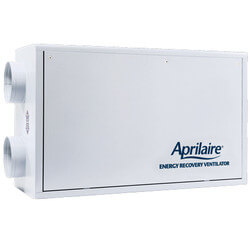
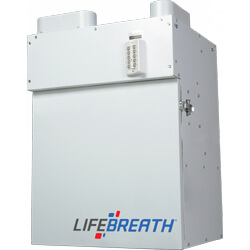
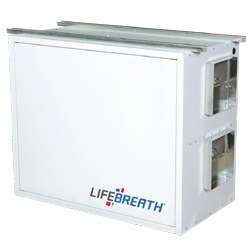
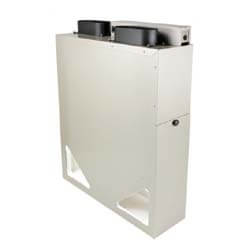
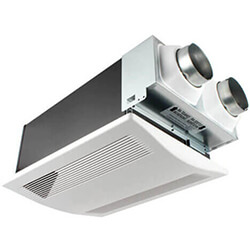
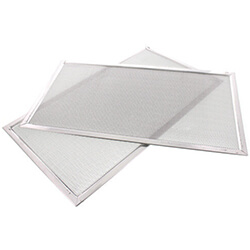
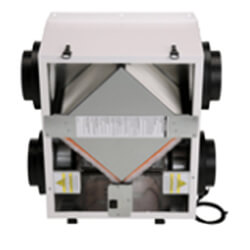
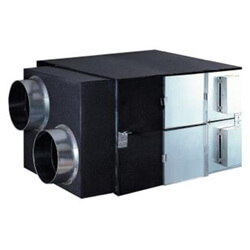
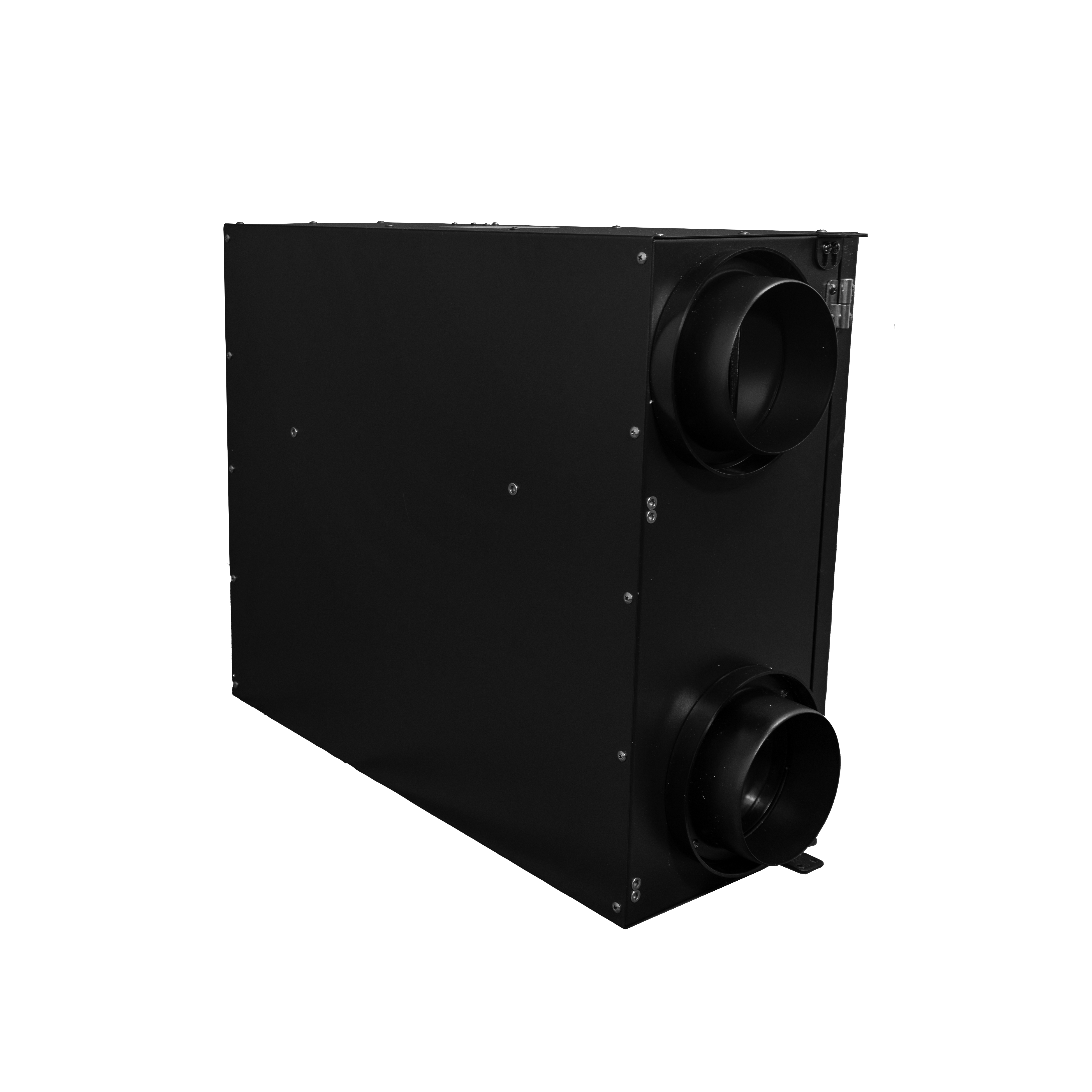

Honeywell Home Balanced Ventilation Systems are whole-home mechanical ventilation products that supply an equal volume of fresh outdoor air as they exhaust stale indoor air, maintaining balanced pressure in the building envelope. They use a heat exchange core to recover energy from the exhaust stream and condition the incoming air before it enters the living space.
Honeywell Home TrueFRESH Compact Ventilation Systems are smaller-footprint heat and energy recovery ventilators designed for installation in spaces with limited equipment room. The TrueFRESH line delivers whole-home fresh air ventilation with a cabinet size suited for mechanical closets and utility rooms. Compact units are rated for the ventilation requirements of smaller homes and low-rise multi-family residential applications.
Fantech Heat Recovery Ventilators are whole-home HRV units from Fantech, a Canadian ventilation specialist. Fantech HRVs use an aluminum or polymer plate core to transfer heat between the exhaust and supply airstreams, and are available in a range of airflow capacities. Units are designed for ducted installation and available in both horizontal and vertical cabinet orientations.
Honeywell Home Fresh Air Ventilation Systems include supply-only and exhaust-only fresh air ventilation products that integrate with existing forced air systems. These units bring outdoor air into the home through a duct connected to the return side of the air handler, using the air handler fan to distribute fresh air throughout the home.
Fantech Energy Recovery Ventilators are whole-home ERV units that recover both heat and moisture from the exhaust air stream using an enthalpy exchange core. They are particularly effective in mixed climates where humidity control in both summer and winter is desired, and help prevent excessive humidity from being introduced with the fresh air supply during the cooling season.
Air Exchanger Ventilators are compact ventilation units that exchange indoor and outdoor air using a heat exchange core in a single packaged cabinet. They are well suited for retrofit installations in existing homes where a full whole-home ducted HRV or ERV system is not practical.
The choice between an HRV and an ERV depends on climate and the humidity characteristics of the building. In cold climates where winter humidity tends to be low, an HRV is typically preferred because it allows moisture to exit with the exhaust air. In mixed or humid climates, an ERV is often the better choice because it transfers moisture from the more humid airstream to the drier airstream, moderating humidity in both seasons.
Sizing an HRV or ERV requires calculating the required ventilation rate for the home. ASHRAE Standard 62.2 establishes the minimum continuous ventilation rate as 0.03 CFM per square foot of floor area plus 7.5 CFM per bedroom plus one additional occupant. The selected unit must be able to deliver this airflow rate continuously against the static pressure of the connected duct system.
Defrost capability is necessary for HRV units in climates with sustained outdoor temperatures below 20 degrees Fahrenheit. At very low outdoor temperatures, moisture from the exhaust air can freeze on the heat exchange core, restricting airflow. HRV units in cold climates must include a defrost cycle. ERV units are generally less susceptible to frost formation because the enthalpy core transfers moisture out of the exhaust stream before it reaches freezing conditions.
HRV and ERV units require filter cleaning or replacement every 3 to 6 months and annual core inspection and cleaning. Outdoor intake and exhaust hoods should be checked seasonally for debris, bird nesting, or frost blockage.
What is the difference between an HRV and an ERV?
An HRV transfers heat only between the outgoing and incoming airstreams. An ERV transfers both heat and moisture. HRVs are preferred in cold climates where winter indoor humidity should be kept low. ERVs are preferred in humid climates because they moderate humidity in both heating and cooling seasons.
How do I know what size HRV or ERV I need?
Size is based on the ventilation rate required by the home and the static pressure of the connected duct system. ASHRAE Standard 62.2 establishes residential ventilation rates based on floor area and the number of bedrooms. The unit's rated airflow at the actual duct system static pressure must meet or exceed the required ventilation rate.
Can an HRV or ERV be connected to an existing forced air system?
Yes. The supply air from the HRV or ERV enters the return plenum of the air handler, and the air handler fan distributes it through the existing supply duct system. The exhaust side connects to exhaust pickup points, typically in kitchens or bathrooms. This uses the existing duct system for distribution and avoids installing a separate dedicated duct system.
How often does an HRV or ERV need to be serviced?
Filters should be cleaned or replaced every 3 to 6 months. The heat exchange core should be inspected and cleaned annually. Most residential HRV cores can be removed and rinsed with warm water to remove dust and debris. Outdoor intake and exhaust hoods should be checked seasonally for debris, bird nesting, or frost blockage.
Do I need an HRV or ERV if I have a bathroom exhaust fan?
Bathroom exhaust fans provide spot ventilation but do not provide balanced whole-home ventilation. Building codes in most jurisdictions now require mechanical whole-home ventilation in addition to spot ventilation for new construction and major renovations. An HRV or ERV provides continuous whole-home fresh air at a controlled rate while recovering energy from the exhaust stream, which bathroom exhaust fans do not do.
Resources

 --%3E %3C!DOCTYPE svg PUBLIC '-//W3C//DTD SVG 1.1//EN' 'http://www.w3.org/Graphics/SVG/1.1/DTD/svg11.dtd'%3E %3Csvg version='1.1' id='Layer_1' xmlns='http://www.w3.org/2000/svg' xmlns:xlink='http://www.w3.org/1999/xlink' x='0px' y='0px' width='90px' height='90px' viewBox='0 0 90 90' enable-background='new 0 0 90 90' xml:space='preserve'%3E %3Crect x='27' y='23' fill='%23FFFFFF' width='43' height='44'/%3E %3Cg%3E %3Cdefs%3E %3Crect id='SVGID_1_' width='90' height='90'/%3E %3C/defs%3E %3CclipPath id='SVGID_2_'%3E %3Cuse xlink:href='%23SVGID_1_' overflow='visible'/%3E %3C/clipPath%3E %3Cpath clip-path='url(%23SVGID_2_)' fill='%234186AD' d='M45,0C20.1,0,0,20.1,0,45c0,24.9,20.1,45,45,45c24.9,0,45-20.1,45-45 C90,20.1,69.9,0,45,0'/%3E %3C/g%3E %3Cpath fill='%23FFFFFF' d='M60.6,47.4l-22.5,14c-0.5,0.3-1,0.399-1.5,0.399s-0.9-0.1-1.4-0.399c-0.9-0.5-1.4-1.4-1.4-2.5v-28 c0-1,0.6-2,1.4-2.5c0.9-0.5,2-0.5,2.9,0.1l22.5,14.1C61.4,43.1,61.9,44,61.9,45S61.4,46.9,60.6,47.4'/%3E %3C/svg%3E)
Honeywell Home Balanced Ventilation Systems are whole-home mechanical ventilation products that supply an equal volume of fresh outdoor air as they exhaust stale indoor air, maintaining balanced pressure in the building envelope. They use a heat exchange core to recover energy from the exhaust stream and condition the incoming air before it enters the living space.
Honeywell Home TrueFRESH Compact Ventilation Systems are smaller-footprint heat and energy recovery ventilators designed for installation in spaces with limited equipment room. The TrueFRESH line delivers whole-home fresh air ventilation with a cabinet size suited for mechanical closets and utility rooms. Compact units are rated for the ventilation requirements of smaller homes and low-rise multi-family residential applications.
Fantech Heat Recovery Ventilators are whole-home HRV units from Fantech, a Canadian ventilation specialist. Fantech HRVs use an aluminum or polymer plate core to transfer heat between the exhaust and supply airstreams, and are available in a range of airflow capacities. Units are designed for ducted installation and available in both horizontal and vertical cabinet orientations.
Honeywell Home Fresh Air Ventilation Systems include supply-only and exhaust-only fresh air ventilation products that integrate with existing forced air systems. These units bring outdoor air into the home through a duct connected to the return side of the air handler, using the air handler fan to distribute fresh air throughout the home.
Fantech Energy Recovery Ventilators are whole-home ERV units that recover both heat and moisture from the exhaust air stream using an enthalpy exchange core. They are particularly effective in mixed climates where humidity control in both summer and winter is desired, and help prevent excessive humidity from being introduced with the fresh air supply during the cooling season.
Air Exchanger Ventilators are compact ventilation units that exchange indoor and outdoor air using a heat exchange core in a single packaged cabinet. They are well suited for retrofit installations in existing homes where a full whole-home ducted HRV or ERV system is not practical.
The choice between an HRV and an ERV depends on climate and the humidity characteristics of the building. In cold climates where winter humidity tends to be low, an HRV is typically preferred because it allows moisture to exit with the exhaust air. In mixed or humid climates, an ERV is often the better choice because it transfers moisture from the more humid airstream to the drier airstream, moderating humidity in both seasons.
Sizing an HRV or ERV requires calculating the required ventilation rate for the home. ASHRAE Standard 62.2 establishes the minimum continuous ventilation rate as 0.03 CFM per square foot of floor area plus 7.5 CFM per bedroom plus one additional occupant. The selected unit must be able to deliver this airflow rate continuously against the static pressure of the connected duct system.
Defrost capability is necessary for HRV units in climates with sustained outdoor temperatures below 20 degrees Fahrenheit. At very low outdoor temperatures, moisture from the exhaust air can freeze on the heat exchange core, restricting airflow. HRV units in cold climates must include a defrost cycle. ERV units are generally less susceptible to frost formation because the enthalpy core transfers moisture out of the exhaust stream before it reaches freezing conditions.
HRV and ERV units require filter cleaning or replacement every 3 to 6 months and annual core inspection and cleaning. Outdoor intake and exhaust hoods should be checked seasonally for debris, bird nesting, or frost blockage.
What is the difference between an HRV and an ERV?
An HRV transfers heat only between the outgoing and incoming airstreams. An ERV transfers both heat and moisture. HRVs are preferred in cold climates where winter indoor humidity should be kept low. ERVs are preferred in humid climates because they moderate humidity in both heating and cooling seasons.
How do I know what size HRV or ERV I need?
Size is based on the ventilation rate required by the home and the static pressure of the connected duct system. ASHRAE Standard 62.2 establishes residential ventilation rates based on floor area and the number of bedrooms. The unit's rated airflow at the actual duct system static pressure must meet or exceed the required ventilation rate.
Can an HRV or ERV be connected to an existing forced air system?
Yes. The supply air from the HRV or ERV enters the return plenum of the air handler, and the air handler fan distributes it through the existing supply duct system. The exhaust side connects to exhaust pickup points, typically in kitchens or bathrooms. This uses the existing duct system for distribution and avoids installing a separate dedicated duct system.
How often does an HRV or ERV need to be serviced?
Filters should be cleaned or replaced every 3 to 6 months. The heat exchange core should be inspected and cleaned annually. Most residential HRV cores can be removed and rinsed with warm water to remove dust and debris. Outdoor intake and exhaust hoods should be checked seasonally for debris, bird nesting, or frost blockage.
Do I need an HRV or ERV if I have a bathroom exhaust fan?
Bathroom exhaust fans provide spot ventilation but do not provide balanced whole-home ventilation. Building codes in most jurisdictions now require mechanical whole-home ventilation in addition to spot ventilation for new construction and major renovations. An HRV or ERV provides continuous whole-home fresh air at a controlled rate while recovering energy from the exhaust stream, which bathroom exhaust fans do not do.