




Filters
SORT
Product Availability –
Review Score –
 --%3E %3Csvg version='1.1' id='Fill' xmlns='http://www.w3.org/2000/svg' xmlns:xlink='http://www.w3.org/1999/xlink' x='0px' y='0px' viewBox='0 0 100 100' enable-background='new 0 0 100 100' xml:space='preserve'%3E %3Cpath fill='%23F15C02' d='M79.44,0.95H20.56C9.78,0.95,0.95,9.78,0.95,20.56v58.87c0,10.79,8.82,19.61,19.61,19.61h58.87 c10.79,0,19.61-8.83,19.61-19.61V20.56C99.05,9.78,90.22,0.95,79.44,0.95z M65.38,58.24l9.38,29.58L49.69,69.78L24.5,87.82 l9.34-29.6L8.8,39.6l30.73-0.17c0,0,6.98-19.61,10-28.93c0.54,1.36,9.88,29.1,9.88,29.1H91.2L65.38,58.24z'/%3E %3C/svg%3E)
Price Range –
Leads & Thermocouples


 --%3E %3Csvg version='1.1' id='Half' xmlns='http://www.w3.org/2000/svg' xmlns:xlink='http://www.w3.org/1999/xlink' x='0px' y='0px' viewBox='0 0 100 100' enable-background='new 0 0 100 100' xml:space='preserve'%3E %3Cg%3E %3Cpath fill='%23F15C02' d='M30.05,70.23l3.79-12.01L8.8,39.6l30.73-0.17c0,0,6.98-19.61,10-28.93c0.54,1.36,9.88,29.1,9.88,29.1h1.58 L93.71,7.18c-3.58-3.82-8.66-6.23-14.28-6.23H20.56C9.78,0.95,0.95,9.78,0.95,20.56v58.87c0,5.41,2.22,10.32,5.79,13.88 L30.05,70.23z'/%3E %3C/g%3E %3Cpath fill='%23FBC8B4' d='M93.71,7.18L60.98,39.6H91.2L65.38,58.24l9.38,29.58L49.69,69.78L24.5,87.82l5.55-17.59L6.75,93.32 c3.55,3.54,8.44,5.73,13.82,5.73h58.87c10.79,0,19.61-8.83,19.61-19.61V20.56C99.05,15.4,97.01,10.69,93.71,7.18z'/%3E %3C/svg%3E)
 --%3E %3Csvg version='1.1' id='No-RB' xmlns='http://www.w3.org/2000/svg' xmlns:xlink='http://www.w3.org/1999/xlink' x='0px' y='0px' viewBox='0 0 100 100' enable-background='new 0 0 100 100' xml:space='preserve'%3E %3Cpath fill='%23CECECE' d='M79.44,0.95H20.56C9.78,0.95,0.95,9.78,0.95,20.56v58.87c0,10.79,8.82,19.61,19.61,19.61h58.87 c10.79,0,19.61-8.83,19.61-19.61V20.56C99.05,9.78,90.22,0.95,79.44,0.95z M65.38,58.24l9.38,29.58L49.69,69.78L24.5,87.82 l9.34-29.6L8.8,39.6l30.73-0.17c0,0,6.98-19.61,10-28.93c0.54,1.36,9.88,29.1,9.88,29.1H91.2L65.38,58.24z'/%3E %3C/svg%3E)
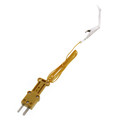
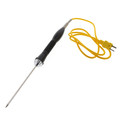
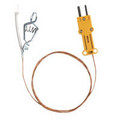
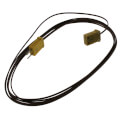

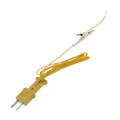
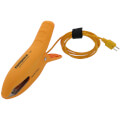
Leads & Thermocouples cover the test leads and thermocouple probes technicians attach to a multimeter or clamp meter to take a temperature reading during HVAC diagnostics. A K-type thermocouple, such as the Fieldpiece bead-style probe, measures temperature by generating a small voltage proportional to heat at the probe tip, then feeds that signal back through the lead to a compatible meter's display. Some probes end in a bare bead for touching a surface or airstream directly, while others add an alligator clip so the probe can hold on a pipe, coil, or wire without a technician needing to hold it in place. Silicone-jacketed test leads handle the flexing and heat exposure of daily field use better than standard rubber leads, which matters on a service call that involves checking several temperature points across a system. Having the right lead or thermocouple style on hand keeps a diagnostic call moving without waiting on a meter accessory that should already be in the bag.
Subcategories
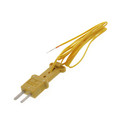
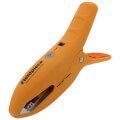
- K-Type Bead Thermocouples: K-type bead thermocouples end in an exposed junction designed for quick surface or air temperature readings during HVAC diagnostics. The Fieldpiece ATB1 is built in this bead style for use with a compatible meter that accepts a K-type input. Technicians use a bead thermocouple when they need a fast point reading and can hold the probe in place briefly. The exposed junction responds quickly to temperature change, which speeds up a multi-point diagnostic check.
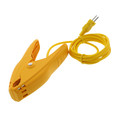
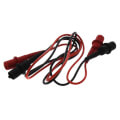
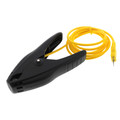
- Alligator Clip Thermocouples: Alligator clip thermocouples add a spring-loaded clip to a K-type probe so it can clamp onto a pipe, coil fin, or wire and stay in place without a technician holding it. The Fieldpiece ATA1 uses this clip style for hands-free temperature monitoring during a longer diagnostic sequence. Technicians use a clip-style probe when a reading needs to hold steady over several minutes, such as during a superheat or subcooling check. Freeing up a hand during that check lets a technician operate gauges or a meter at the same time.
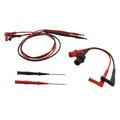
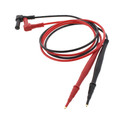
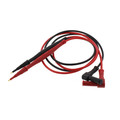
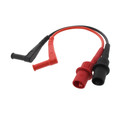
- Silicone Test Leads: Silicone test leads connect a meter to its probes and are built with a silicone jacket instead of standard rubber insulation to resist cracking from repeated flexing and heat exposure. The Fieldpiece ADLS2 deluxe silicone test leads are built for this kind of daily field use. Technicians replace worn standard leads with silicone leads when a meter sees frequent use in hot equipment rooms or near heat sources. A silicone lead that stays flexible in cold weather also holds up well on outdoor service calls.
Buying Guide
Start by checking which thermocouple type the meter already on the truck accepts before buying a replacement probe. Most HVAC multimeters and clamp meters read K-type thermocouples, but confirming the input type on the meter itself avoids buying a probe that will not plug in or will give an inaccurate reading if it uses a different thermocouple type.
Pick the probe style based on how the reading needs to be taken. A bead-style thermocouple works for quick point checks where a technician can hold the probe against a surface, while an alligator clip probe works better for a reading that needs to hold steady over time, such as monitoring supply and return air temperature during a longer diagnostic sequence. Leads & Thermocouples sold with a clip style free up a hand for other tasks during that kind of extended check.
Replace test leads before they fail rather than after, since a cracked or stiffened lead can introduce resistance that skews a reading without an obvious sign of damage. Silicone-jacketed leads hold up longer under repeated flexing and heat exposure than standard rubber leads, which matters for a lead that gets coiled and uncoiled daily in a tool bag. Checking lead condition during routine meter maintenance catches a failing lead before it produces a bad reading on a service call.
Frequently Asked Questions
What type of thermocouple do most HVAC meters use?
Most HVAC multimeters and clamp meters accept K-type thermocouples, which generate a small voltage proportional to temperature at the probe tip. Checking the meter's input jack and specifications confirms it reads K-type before buying a replacement probe. Using a thermocouple type the meter does not support will not give an accurate reading even if the probe physically plugs in.
When should a technician use a clip-style thermocouple instead of a bead probe?
A clip-style thermocouple works best when a reading needs to hold steady over time without a technician holding the probe in place, such as during a superheat or subcooling check. A bead-style probe suits quick point readings where the technician can hold the probe against a surface briefly. Choosing the clip style for an extended check frees up a hand to operate gauges or a meter at the same time.
Why do some test leads use a silicone jacket instead of rubber?
A silicone jacket resists cracking and stiffening from repeated flexing and heat exposure better than standard rubber insulation. Test leads that see daily use in hot equipment rooms or get coiled and uncoiled frequently benefit from the added durability. Replacing a cracked rubber lead with a silicone one extends how long the lead stays reliable in the field.
Can a damaged test lead cause an inaccurate meter reading?
A cracked or stiffened test lead can introduce resistance into the circuit that skews a reading without always showing obvious physical damage. Checking lead condition as part of routine meter maintenance catches this kind of wear before it affects a diagnostic call. Replacing a lead at the first sign of cracking or stiffness keeps readings accurate.
Does a thermocouple probe need to match a specific meter brand?
A thermocouple probe needs to match the input type the meter accepts, most commonly K-type, rather than matching the meter's brand specifically. Confirming the probe's thermocouple type against the meter's listed input specification before buying avoids a compatibility mismatch. A correctly matched probe will plug in and read accurately regardless of whether it shares a brand with the meter.
