




Oil Furnaces

 --%3E %3Csvg version='1.1' id='No-RB' xmlns='http://www.w3.org/2000/svg' xmlns:xlink='http://www.w3.org/1999/xlink' x='0px' y='0px' viewBox='0 0 100 100' enable-background='new 0 0 100 100' xml:space='preserve'%3E %3Cpath fill='%23CECECE' d='M79.44,0.95H20.56C9.78,0.95,0.95,9.78,0.95,20.56v58.87c0,10.79,8.82,19.61,19.61,19.61h58.87 c10.79,0,19.61-8.83,19.61-19.61V20.56C99.05,9.78,90.22,0.95,79.44,0.95z M65.38,58.24l9.38,29.58L49.69,69.78L24.5,87.82 l9.34-29.6L8.8,39.6l30.73-0.17c0,0,6.98-19.61,10-28.93c0.54,1.36,9.88,29.1,9.88,29.1H91.2L65.38,58.24z'/%3E %3C/svg%3E)
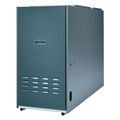
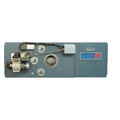


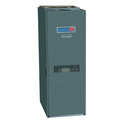
Oil furnaces are forced-air heating systems that burn fuel oil to generate heat, then distribute warm air through ductwork with a blower fan. Homes and buildings without access to natural gas service, particularly in rural or older housing stock across the Northeast, rely on oil-fired furnaces as their primary heat source. Inside the unit, a burner assembly atomizes fuel oil into a fine spray and ignites it inside a combustion chamber, transferring heat to a heat exchanger that warms air pulled from the return ductwork before pushing it back out through the supply side. Efficiency ratings, measured as annual fuel utilization efficiency, vary between older and newer furnace designs, with more recent units generally converting a higher percentage of fuel energy into usable heat. Matching furnace output to the structure's heating load keeps the system running efficiently instead of short-cycling or struggling to maintain temperature on the coldest days.
Subcategories
- Upflow Oil Furnaces: Upflow furnaces pull return air in through the bottom of the cabinet and push heated air out the top, making them the standard configuration for basement installations feeding ductwork that runs through the floor above. This orientation works well when the furnace sits below the living space it serves. Technicians confirm ceiling and duct clearance above the unit before installation, since the supply plenum needs enough vertical room to connect properly. Upflow models are the most common configuration found in single-family homes with basement mechanical rooms.
- Downflow Oil Furnaces: Downflow furnaces reverse the airflow path, pulling return air in through the top and discharging heated air out the bottom, which suits installations where ductwork runs beneath the furnace, such as a unit set on a platform above a crawl space. This configuration is common in homes built on a slab or with ductwork routed under the floor. Clearance requirements shift accordingly, with adequate space needed below the unit for the supply plenum and duct connections. Choosing the wrong airflow orientation for a given ductwork layout is a common and costly installation mistake.
- Oil Furnace Replacement Parts: Replacement parts keep an existing oil furnace running rather than requiring a full unit swap, covering components like burner nozzles, ignition transformers, cad cells, and blower motors that wear out well before the furnace cabinet itself fails. Nozzles in particular need periodic replacement since fuel oil residue and wear change the spray pattern over time, affecting combustion efficiency. Technicians match replacement parts to the specific furnace model and burner manufacturer, since nozzle sizing and electrical ratings vary between units. Keeping common wear parts on hand shortens service call times for routine annual maintenance visits.
- High-Efficiency Oil Furnaces: High-efficiency oil furnaces use improved heat exchanger designs and combustion control to convert a greater share of fuel oil energy into usable heat compared to older standard-efficiency models. These units often pair with a flame retention burner design that produces a more complete, cleaner combustion than older burner styles. Homeowners replacing an aging furnace weigh the higher upfront cost of a high-efficiency model against the fuel savings expected over the unit's service life. Sizing still matters even with a higher-efficiency furnace, since an oversized unit short-cycles regardless of its efficiency rating.
Buying Guide
Selecting an oil furnace starts with an accurate heating load calculation for the structure it will serve, since output capacity that's too low leaves a building unable to maintain temperature on the coldest days while an oversized unit short-cycles, wearing components faster and reducing overall comfort. A qualified technician's load calculation, rather than simply matching the replacement to the old unit's rated output, accounts for changes in insulation, windows, or building additions since the original furnace was installed.
Airflow configuration is the next major decision. Oil Furnaces come in upflow and downflow orientations, and choosing the wrong one for the existing ductwork layout turns a straightforward replacement into a much larger retrofit project. Confirming duct connections and clearance requirements against the specific model's installation manual before purchase avoids that complication.
Efficiency rating and burner type round out the decision. Higher annual fuel utilization efficiency ratings mean more of every gallon of fuel oil converts to usable heat, which matters most in colder climates where the furnace runs for a large share of the year. Confirming that the chosen unit's burner, nozzle, and electrical specifications are compatible with available replacement parts also helps keep future service straightforward rather than tied to a hard-to-source component.
Frequently Asked Questions
How long does a typical oil furnace last?
Service life varies with maintenance history and usage, but many oil furnaces run for well over a decade when nozzles, filters, and burner components receive regular attention. Annual tune-ups that include a nozzle replacement and combustion check tend to extend service life and keep efficiency from drifting downward year over year.
What's the difference between an upflow and downflow oil furnace?
An upflow furnace draws return air in at the bottom and discharges heated air out the top, suited to ductwork running above the unit. A downflow furnace reverses that path, pulling air in from the top and pushing it out the bottom, matching ductwork that runs beneath the furnace. Ductwork layout in the building determines which configuration fits.
Why does an oil furnace need annual nozzle replacement?
Fuel oil nozzles wear and can accumulate residue over a heating season, gradually changing the spray pattern the burner relies on for efficient combustion. A worn nozzle burns fuel less completely, reducing efficiency and increasing the chance of sooting inside the combustion chamber. Replacing the nozzle annually is a standard part of oil furnace maintenance.
Can an oil furnace be converted to burn natural gas instead?
Converting an oil furnace to gas generally isn't a simple retrofit, since the burner, combustion chamber, and controls are built around fuel oil's combustion characteristics. Most conversions from oil to gas heat involve replacing the furnace entirely with a gas-rated unit rather than modifying the existing oil furnace.
What size oil furnace does a given home need?
Furnace size depends on a heating load calculation that accounts for square footage, insulation levels, window count and type, and local climate, not simply the square footage of the space alone. A furnace sized only to floor area risks being oversized or undersized for the building's actual heat loss, so a proper load calculation from a qualified technician is the standard method for sizing a replacement.
