




Pipe Support Brackets
Pipe support brackets secure plumbing, refrigerant line sets, and drain, waste, and vent piping at the intervals needed to keep a run from sagging or shifting. The category covers brackets built for specific applications, from mini split line sets to exterior ground-mounted piping.
Choosing the right bracket depends on the pipe type and whether the run is horizontal, vertical, or exterior, since a bracket built for interior DWV piping will not suit an exterior line set anchored to the ground. Holdrite systems in particular are designed to work as a coordinated bracket and stub-out solution.
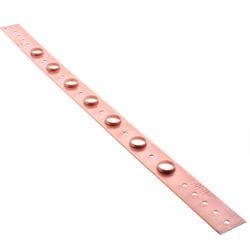
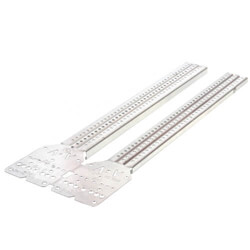
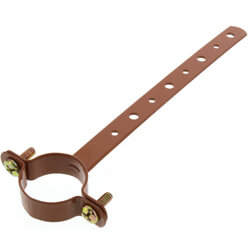
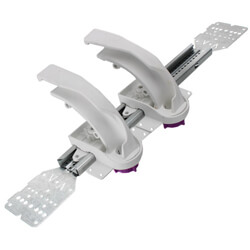
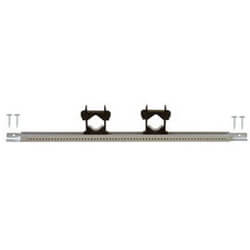
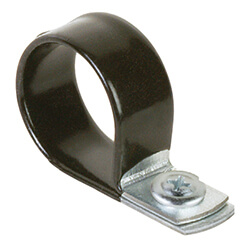
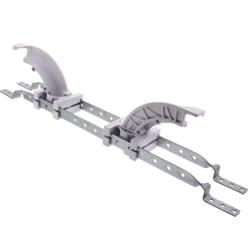


Subcategories
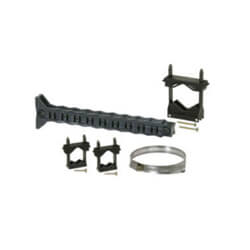
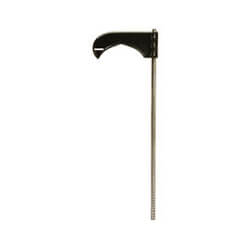
- Bluefin Pipe Brackets: Bluefin pipe brackets support refrigerant line sets and related mini split piping runs, holding tubing in place along walls, rooftops, or exterior runs. Installers use them to maintain consistent spacing between the support points recommended for the line set material. The bracket design accommodates the line set diameters common on ductless and mini split installations.
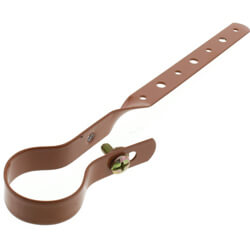
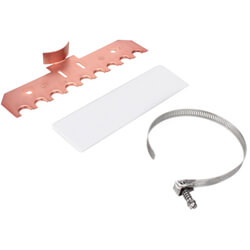
- DWV Hangers: DWV hangers support drain, waste, and vent piping through its horizontal and vertical runs, keeping the pipe properly pitched for drainage. Correct hanger spacing prevents sagging that can create low spots where waste collects instead of draining. These hangers are sized to fit the outer diameter of common DWV pipe materials.
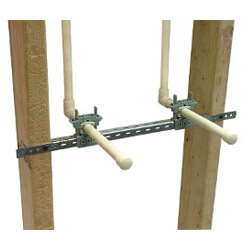
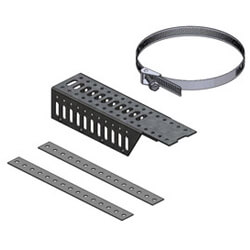
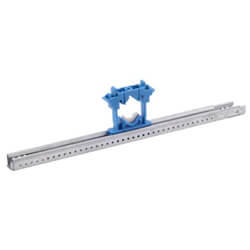
- Flush Valve Brackets: Flush valve brackets stabilize the rough in piping behind a flush valve toilet or urinal installation, keeping the valve body aligned with the fixture during rough in and after the wall is closed. Proper bracket placement reduces stress on the supply connection once the fixture is in service. Plumbers typically install these brackets before the wall finish goes on.
- Ground Stakes: Ground stakes anchor exterior piping, conduit, or line sets to the ground on outdoor installations, keeping runs from shifting due to soil movement or foot traffic. They are commonly used alongside line set covers or exterior refrigerant piping on mini split and ductless system installs. Stakes are driven into the ground and paired with a bracket or clamp that secures the pipe or conduit above grade.
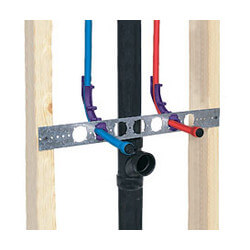
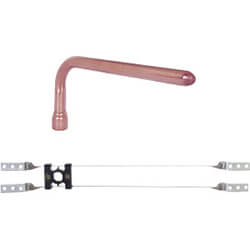
- Holdrite PEXRITE System: The Holdrite PEXRITE system provides a bracket and stub out solution built specifically for PEX piping rough in work, aligning tubing at wall penetrations and fixture locations. The system pairs brackets with matching stub outs to keep PEX runs consistent from one rough in to the next. Plumbers use it to speed up repetitive rough in work across multiple bathrooms or units.
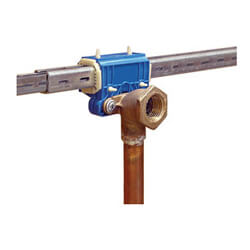
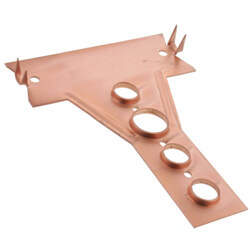
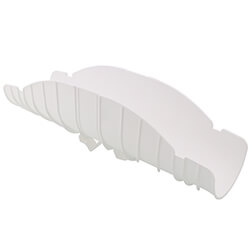
- Holdrite ProGuard: Holdrite ProGuard brackets shield PEX and other flexible piping from punctures where it passes through wall studs, a common failure point when drywall screws or fasteners are driven without knowing a line runs behind the stud. The bracket doubles as a support point and a physical barrier for the pipe. Installers place them at each stud penetration along a PEX run.
Buying Guide
Choosing pipe support brackets starts with identifying the pipe material being supported, since copper, PEX, and DWV piping each have different weight, flexibility, and spacing characteristics that affect which bracket style works best.
Support spacing matters as much as bracket style. Local plumbing code typically sets maximum spacing intervals for horizontal and vertical runs based on pipe material and diameter, and using brackets sized and spaced to meet that requirement keeps the installation code compliant and prevents sagging over time.
Application environment also narrows the choice. Exterior installations need brackets or stakes rated for outdoor exposure, while rough in wall cavities call for brackets designed to hold pipe in a fixed position until the wall finish goes on. Exposed mechanical room runs may call for heavier duty hangers than a concealed residential installation.
Manufacturer specific systems, like a rough in kit or slider bracket line, often pair brackets with matching fasteners and stub outs designed to work together. Sticking with one system's components through a rough in job usually simplifies ordering and keeps hardware consistent from one fixture to the next.
Getting bracket selection right before rough in begins avoids the rework of adding or repositioning supports after walls are closed. Matching bracket type, spacing, and fastener style to the pipe material and installation location up front is a reliable way to pass inspection on the first try.
Frequently Asked Questions
How far apart should pipe support brackets be spaced?
Spacing requirements vary by pipe material and diameter and are typically set by local plumbing code rather than a single universal number. Copper, PEX, and DWV piping each have different recommended intervals, so confirming the applicable code section for the specific material is the safest approach before rough in begins.
What's the benefit of a manufacturer specific bracket system over generic brackets?
A manufacturer specific bracket system, such as a rough in kit or slider bracket line, pairs brackets with matching fasteners and stub outs designed to work together. That consistency can speed up repetitive rough in work across multiple bathrooms or units compared to sourcing individual generic components.
Do PEX lines need special protection where they pass through studs?
Flexible PEX tubing can be punctured by drywall screws or fasteners driven into a stud where a line runs behind it. A bracket designed to shield the pipe at each stud penetration reduces that risk while also serving as a support point along the run.
Can the same bracket support both copper and PEX piping?
Bracket compatibility depends on the pipe's outer diameter and flexibility rather than the material itself, so a bracket sized correctly for the diameter can often support either copper or PEX. Checking the manufacturer's sizing chart for the specific bracket before mixing pipe materials on the same run is still worthwhile.
How are exterior pipe runs secured differently from interior runs?
Exterior runs typically rely on ground stakes or brackets rated for outdoor exposure to keep piping or line sets from shifting due to soil movement or foot traffic. Interior runs more commonly use hangers or brackets designed for rough in wall cavities or exposed mechanical spaces, where the support method depends on whether the pipe stays hidden behind a finished wall.
Resources
Subcategories
- Bluefin Pipe Brackets: Bluefin pipe brackets support refrigerant line sets and related mini split piping runs, holding tubing in place along walls, rooftops, or exterior runs. Installers use them to maintain consistent spacing between the support points recommended for the line set material. The bracket design accommodates the line set diameters common on ductless and mini split installations.
- DWV Hangers: DWV hangers support drain, waste, and vent piping through its horizontal and vertical runs, keeping the pipe properly pitched for drainage. Correct hanger spacing prevents sagging that can create low spots where waste collects instead of draining. These hangers are sized to fit the outer diameter of common DWV pipe materials.
- Flush Valve Brackets: Flush valve brackets stabilize the rough in piping behind a flush valve toilet or urinal installation, keeping the valve body aligned with the fixture during rough in and after the wall is closed. Proper bracket placement reduces stress on the supply connection once the fixture is in service. Plumbers typically install these brackets before the wall finish goes on.
- Ground Stakes: Ground stakes anchor exterior piping, conduit, or line sets to the ground on outdoor installations, keeping runs from shifting due to soil movement or foot traffic. They are commonly used alongside line set covers or exterior refrigerant piping on mini split and ductless system installs. Stakes are driven into the ground and paired with a bracket or clamp that secures the pipe or conduit above grade.
- Holdrite PEXRITE System: The Holdrite PEXRITE system provides a bracket and stub out solution built specifically for PEX piping rough in work, aligning tubing at wall penetrations and fixture locations. The system pairs brackets with matching stub outs to keep PEX runs consistent from one rough in to the next. Plumbers use it to speed up repetitive rough in work across multiple bathrooms or units.
- Holdrite ProGuard: Holdrite ProGuard brackets shield PEX and other flexible piping from punctures where it passes through wall studs, a common failure point when drywall screws or fasteners are driven without knowing a line runs behind the stud. The bracket doubles as a support point and a physical barrier for the pipe. Installers place them at each stud penetration along a PEX run.
Buying Guide
Choosing pipe support brackets starts with identifying the pipe material being supported, since copper, PEX, and DWV piping each have different weight, flexibility, and spacing characteristics that affect which bracket style works best.
Support spacing matters as much as bracket style. Local plumbing code typically sets maximum spacing intervals for horizontal and vertical runs based on pipe material and diameter, and using brackets sized and spaced to meet that requirement keeps the installation code compliant and prevents sagging over time.
Application environment also narrows the choice. Exterior installations need brackets or stakes rated for outdoor exposure, while rough in wall cavities call for brackets designed to hold pipe in a fixed position until the wall finish goes on. Exposed mechanical room runs may call for heavier duty hangers than a concealed residential installation.
Manufacturer specific systems, like a rough in kit or slider bracket line, often pair brackets with matching fasteners and stub outs designed to work together. Sticking with one system's components through a rough in job usually simplifies ordering and keeps hardware consistent from one fixture to the next.
Getting bracket selection right before rough in begins avoids the rework of adding or repositioning supports after walls are closed. Matching bracket type, spacing, and fastener style to the pipe material and installation location up front is a reliable way to pass inspection on the first try.
Frequently Asked Questions
How far apart should pipe support brackets be spaced?
Spacing requirements vary by pipe material and diameter and are typically set by local plumbing code rather than a single universal number. Copper, PEX, and DWV piping each have different recommended intervals, so confirming the applicable code section for the specific material is the safest approach before rough in begins.
What's the benefit of a manufacturer specific bracket system over generic brackets?
A manufacturer specific bracket system, such as a rough in kit or slider bracket line, pairs brackets with matching fasteners and stub outs designed to work together. That consistency can speed up repetitive rough in work across multiple bathrooms or units compared to sourcing individual generic components.
Do PEX lines need special protection where they pass through studs?
Flexible PEX tubing can be punctured by drywall screws or fasteners driven into a stud where a line runs behind it. A bracket designed to shield the pipe at each stud penetration reduces that risk while also serving as a support point along the run.
Can the same bracket support both copper and PEX piping?
Bracket compatibility depends on the pipe's outer diameter and flexibility rather than the material itself, so a bracket sized correctly for the diameter can often support either copper or PEX. Checking the manufacturer's sizing chart for the specific bracket before mixing pipe materials on the same run is still worthwhile.
How are exterior pipe runs secured differently from interior runs?
Exterior runs typically rely on ground stakes or brackets rated for outdoor exposure to keep piping or line sets from shifting due to soil movement or foot traffic. Interior runs more commonly use hangers or brackets designed for rough in wall cavities or exposed mechanical spaces, where the support method depends on whether the pipe stays hidden behind a finished wall.