




Filters
SORT
Product Availability –
Width (Inches) –
Review Score –
 --%3E %3Csvg version='1.1' id='Fill' xmlns='http://www.w3.org/2000/svg' xmlns:xlink='http://www.w3.org/1999/xlink' x='0px' y='0px' viewBox='0 0 100 100' enable-background='new 0 0 100 100' xml:space='preserve'%3E %3Cpath fill='%23F15C02' d='M79.44,0.95H20.56C9.78,0.95,0.95,9.78,0.95,20.56v58.87c0,10.79,8.82,19.61,19.61,19.61h58.87 c10.79,0,19.61-8.83,19.61-19.61V20.56C99.05,9.78,90.22,0.95,79.44,0.95z M65.38,58.24l9.38,29.58L49.69,69.78L24.5,87.82 l9.34-29.6L8.8,39.6l30.73-0.17c0,0,6.98-19.61,10-28.93c0.54,1.36,9.88,29.1,9.88,29.1H91.2L65.38,58.24z'/%3E %3C/svg%3E)
Price Range –
Pipe Wrap Tape





 --%3E %3Csvg version='1.1' id='No-RB' xmlns='http://www.w3.org/2000/svg' xmlns:xlink='http://www.w3.org/1999/xlink' x='0px' y='0px' viewBox='0 0 100 100' enable-background='new 0 0 100 100' xml:space='preserve'%3E %3Cpath fill='%23CECECE' d='M79.44,0.95H20.56C9.78,0.95,0.95,9.78,0.95,20.56v58.87c0,10.79,8.82,19.61,19.61,19.61h58.87 c10.79,0,19.61-8.83,19.61-19.61V20.56C99.05,9.78,90.22,0.95,79.44,0.95z M65.38,58.24l9.38,29.58L49.69,69.78L24.5,87.82 l9.34-29.6L8.8,39.6l30.73-0.17c0,0,6.98-19.61,10-28.93c0.54,1.36,9.88,29.1,9.88,29.1H91.2L65.38,58.24z'/%3E %3C/svg%3E)
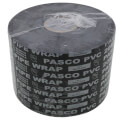
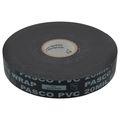
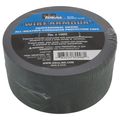
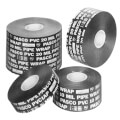
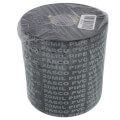

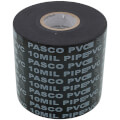
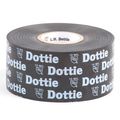
Pipe Wrap Tape is a self-adhesive or self-fusing wrap used to insulate, protect, or seal pipe and duct joints across plumbing, HVAC, and electrical trades. Contractors reach for it to wrap exposed copper or PEX lines against condensation, cover insulation seams so moisture and air don't get in, and provide corrosion protection on buried or exposed metal pipe. Some tape products are rated for cold-weather freeze protection on outdoor lines, while others focus on vapor sealing around HVAC ductwork and refrigerant lines. Electricians use a related self-fusing rubber tape for splice insulation, which overlaps with plumbing and HVAC wrap tape in material type even though the application differs. Because tape performance depends heavily on temperature rating, adhesion type, and UV resistance, matching the product to where it will actually be installed, indoors, outdoors, buried, or against a hot surface, makes the difference between a wrap that lasts and one that fails within a season. Keeping a few tape types on the truck covers most insulation, sealing, and protection needs without a special order for a small job.
Subcategories
- Self-Fusing Silicone Tape: Self-fusing silicone tape bonds to itself rather than to the pipe surface, creating a continuous, watertight wrap once it's stretched and overlapped during application. Techs use it on refrigerant line sets, hose repairs, and electrical splices where a permanent, moisture-tight seal matters. Because it doesn't rely on adhesive to bond, it holds up well in high-humidity or outdoor conditions where adhesive-backed tape can eventually lift. It can be removed and reapplied without leaving residue, which makes it useful for temporary repairs as well as permanent ones.
- Foil-Backed Insulation Tape: Foil-backed insulation tape seals seams and joints in duct insulation and pipe wrap, providing a vapor barrier that keeps moisture from penetrating the insulation underneath. HVAC installers use it to finish seams on fiberglass or foam pipe insulation, particularly on chilled water and refrigerant lines where condensation control is critical. The foil facing also reflects some radiant heat, which helps on lines running through hot mechanical spaces. Pressing seams firmly during application is what keeps the adhesive bonded over the long term.
- PVC Duct Tape: PVC duct tape is a flexible, adhesive-backed wrap commonly used to seal PVC ductwork, wrap insulation, and provide a color-coded identification layer on mechanical piping. Contractors use different colors to mark pipe contents or system type across a mechanical room, which speeds up identification during future service work. It conforms well to irregular shapes and pipe fittings compared to rigid alternatives. Surface cleanliness before application has a big effect on how well the adhesive holds over time.
- Cold Weather & Freeze Protection Wrap: Cold weather and freeze protection wrap combines an insulating layer with a weather-resistant outer surface, designed specifically for pipes exposed to freezing outdoor temperatures. Plumbers install it on exterior spigots, well lines, and any exposed pipe run in an unheated space prone to freezing. Some products in this category are used alongside heat tape rather than as a standalone freeze solution. Overlapping wraps fully at every seam is necessary to avoid a cold spot where the pipe is left exposed.
Buying Guide
Matching the tape to its environment is the first decision, since a tape rated for indoor duct sealing won't necessarily hold up outdoors or against sustained freezing temperatures, and a general-purpose adhesive tape isn't a substitute for a true freeze-protection product on an exposed exterior line. Checking the manufacturer's temperature range, both minimum and maximum, against the actual installation conditions avoids a wrap that degrades or loses adhesion within a season.
Application type matters just as much as the environment. Self-fusing tape works best where a permanent, watertight seal is needed and there's no clean surface for adhesive to grip, such as an irregular pipe fitting or an exposed splice. Foil-backed and adhesive tapes work better for sealing flat seams on insulation or ductwork, where surface contact and adhesion strength drive performance more than stretch and fusion.
For jobs involving Pipe Wrap Tape across multiple applications on the same site, stocking one self-fusing product and one adhesive-backed product covers most scenarios without needing a different specialty tape for every joint. On any surface, cleaning and drying the pipe before wrapping has a bigger effect on how long the wrap lasts than the specific tape brand chosen. For buried or permanently inaccessible lines, choosing a tape explicitly rated for that use, rather than a general-purpose product, avoids a failure that's expensive to access and repair later.
Frequently Asked Questions
What's the difference between self-fusing tape and adhesive-backed tape?
Self-fusing tape bonds to itself when stretched and overlapped, creating a seal without relying on adhesive contact with the pipe surface. Adhesive-backed tape sticks directly to the surface it's applied to, which works well on flat seams but can lift over time in wet or high-humidity conditions. Self-fusing tape tends to hold up better on irregular shapes and outdoor applications.
Can pipe wrap tape be used outdoors?
Some pipe wrap tape products are rated for outdoor and UV exposure, while others are designed for indoor use only and will degrade faster outside. Checking the manufacturer's UV and temperature rating before installing outdoors avoids an early failure. Freeze-protection-specific wraps are generally the better choice for exposed exterior piping in cold climates.
Does pipe wrap tape prevent pipes from freezing?
Insulating tape slows heat loss from a pipe but doesn't add heat, so it can extend the time before a pipe freezes in cold conditions without preventing a freeze during an extended cold spell on its own. Pairing insulation wrap with electric heat tape provides more reliable freeze protection on vulnerable lines. Wrap alone is generally best suited to reducing condensation and moderate heat loss rather than full freeze prevention.
How do I seal duct insulation seams properly?
Foil-backed insulation tape applied directly over the seam, with firm pressure to activate the adhesive, is the standard method for sealing duct insulation joints. Overlapping the tape slightly beyond each edge of the seam prevents gaps where moisture could get in. Cleaning dust and debris off the insulation surface before taping improves adhesion significantly.
Is pipe wrap tape reusable?
Self-fusing silicone tape can typically be removed and reapplied without leaving residue, making it useful for temporary repairs. Adhesive-backed tapes generally aren't reusable once removed, since the adhesive doesn't reliably re-bond after being peeled up. For a repair that may need to be revisited, self-fusing tape is usually the more practical choice.
