




Filters
SORT
Product Availability –
Brand –
Size –
Review Score –
 --%3E %3Csvg version='1.1' id='Fill' xmlns='http://www.w3.org/2000/svg' xmlns:xlink='http://www.w3.org/1999/xlink' x='0px' y='0px' viewBox='0 0 100 100' enable-background='new 0 0 100 100' xml:space='preserve'%3E %3Cpath fill='%23F15C02' d='M79.44,0.95H20.56C9.78,0.95,0.95,9.78,0.95,20.56v58.87c0,10.79,8.82,19.61,19.61,19.61h58.87 c10.79,0,19.61-8.83,19.61-19.61V20.56C99.05,9.78,90.22,0.95,79.44,0.95z M65.38,58.24l9.38,29.58L49.69,69.78L24.5,87.82 l9.34-29.6L8.8,39.6l30.73-0.17c0,0,6.98-19.61,10-28.93c0.54,1.36,9.88,29.1,9.88,29.1H91.2L65.38,58.24z'/%3E %3C/svg%3E)
 --%3E %3Csvg version='1.1' id='With-RB' xmlns='http://www.w3.org/2000/svg' xmlns:xlink='http://www.w3.org/1999/xlink' x='0px' y='0px' viewBox='0 0 100 100' enable-background='new 0 0 100 100' xml:space='preserve'%3E %3Cpath fill='%23FBC8B4' d='M79.44,0.95H20.56C9.78,0.95,0.95,9.78,0.95,20.56v58.87c0,10.79,8.82,19.61,19.61,19.61h58.87 c10.79,0,19.61-8.83,19.61-19.61V20.56C99.05,9.78,90.22,0.95,79.44,0.95z M65.38,58.24l9.38,29.58L49.69,69.78L24.5,87.82 l9.34-29.6L8.8,39.6l30.73-0.17c0,0,6.98-19.61,10-28.93c0.54,1.36,9.88,29.1,9.88,29.1H91.2L65.38,58.24z'/%3E %3C/svg%3E)
Price Range –
Power Brushes


 --%3E %3Csvg version='1.1' id='Half' xmlns='http://www.w3.org/2000/svg' xmlns:xlink='http://www.w3.org/1999/xlink' x='0px' y='0px' viewBox='0 0 100 100' enable-background='new 0 0 100 100' xml:space='preserve'%3E %3Cg%3E %3Cpath fill='%23F15C02' d='M30.05,70.23l3.79-12.01L8.8,39.6l30.73-0.17c0,0,6.98-19.61,10-28.93c0.54,1.36,9.88,29.1,9.88,29.1h1.58 L93.71,7.18c-3.58-3.82-8.66-6.23-14.28-6.23H20.56C9.78,0.95,0.95,9.78,0.95,20.56v58.87c0,5.41,2.22,10.32,5.79,13.88 L30.05,70.23z'/%3E %3C/g%3E %3Cpath fill='%23FBC8B4' d='M93.71,7.18L60.98,39.6H91.2L65.38,58.24l9.38,29.58L49.69,69.78L24.5,87.82l5.55-17.59L6.75,93.32 c3.55,3.54,8.44,5.73,13.82,5.73h58.87c10.79,0,19.61-8.83,19.61-19.61V20.56C99.05,15.4,97.01,10.69,93.71,7.18z'/%3E %3C/svg%3E)



 --%3E %3Csvg version='1.1' id='No-RB' xmlns='http://www.w3.org/2000/svg' xmlns:xlink='http://www.w3.org/1999/xlink' x='0px' y='0px' viewBox='0 0 100 100' enable-background='new 0 0 100 100' xml:space='preserve'%3E %3Cpath fill='%23CECECE' d='M79.44,0.95H20.56C9.78,0.95,0.95,9.78,0.95,20.56v58.87c0,10.79,8.82,19.61,19.61,19.61h58.87 c10.79,0,19.61-8.83,19.61-19.61V20.56C99.05,9.78,90.22,0.95,79.44,0.95z M65.38,58.24l9.38,29.58L49.69,69.78L24.5,87.82 l9.34-29.6L8.8,39.6l30.73-0.17c0,0,6.98-19.61,10-28.93c0.54,1.36,9.88,29.1,9.88,29.1H91.2L65.38,58.24z'/%3E %3C/svg%3E)


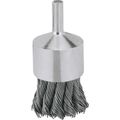
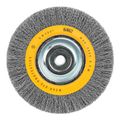
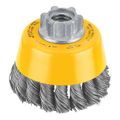
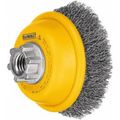
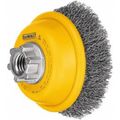
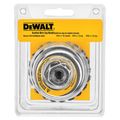
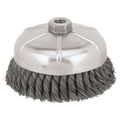
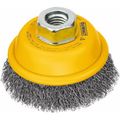
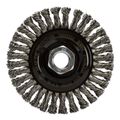
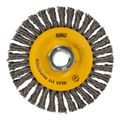
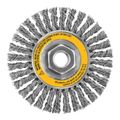
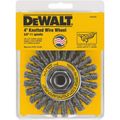
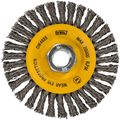

Power Brushes are cable-mounted attachments used with drum and cable drain cleaning machines to scrub built-up grease, scale, and debris off the inside of a pipe wall after the initial cable pass clears the blockage. Nylon brush heads are sized to match cable diameter, with 2 inch, 3 inch, and 4 inch brushes built for 5/16 inch cable and larger nylon or nylon and steel combination brushes available for 3/8 inch cable. Matching brush diameter to pipe size keeps the bristles making full contact with the pipe wall without binding against a tighter bend. Plumbers use these attachments as a follow-up step after cutting through roots or clearing a solid blockage, since a cutter head opens the line but doesn't necessarily clean built-up residue off the pipe wall the way a brush pass does. Choosing the correct brush size for both the cable and the pipe diameter on hand is the detail that determines whether the cleaning pass actually restores full flow.
Subcategories
- Brushes for 5/16 Inch Cable: Nylon brushes built for 5/16 inch cable come in 2 inch, 3 inch, and 4 inch diameters, covering a range of common residential pipe sizes. Larger diameter brushes handle bigger branch lines, while the smaller 2 inch size works better in tighter runs. Plumbers running a drum machine with 5/16 inch cable typically carry more than one brush size to match whatever pipe diameter a job requires. Nylon bristles flex enough to navigate bends without snapping off inside the line.
- Brushes for 3/8 Inch Cable: Machines running heavier 3/8 inch cable pair with larger nylon or nylon and steel combination brushes built for that cable diameter. Heavier cable and larger brush sizes suit bigger branch and main lines rather than small fixture drains. Contractors clearing tougher grease or scale buildup in larger lines reach for this cable and brush combination more often than the lighter 5/16 inch setup. Matching brush size to cable diameter, not just pipe diameter, keeps the cable from binding during the cleaning pass.
- Brush Sets & Holders: Brush sets bundle multiple brush sizes together with a holder that threads onto the cable end, letting a technician swap brush heads without needing a separate tool for each size. Carrying a set instead of individual brushes covers more pipe diameters from one case on the truck. A holder designed for quick brush changes speeds up a job that requires more than one pass with different brush sizes. Stocking a full set is more practical for a crew handling varied pipe diameters than buying single brushes as needed.
Buying Guide
Brush selection starts with cable diameter, not pipe diameter, since the brush has to thread onto and be driven by whatever cable is already loaded on the machine. A drum machine running 5/16 inch cable pairs with nylon brushes built for that cable size, available in 2 inch, 3 inch, and 4 inch diameters, while heavier 3/8 inch cable pairs with larger nylon or nylon and steel combination brushes suited to bigger branch and main lines.
Once cable compatibility is settled, pipe diameter determines which brush size actually clears the line. Power Brushes sized too small for the pipe won't make full contact with the pipe wall and leave residue behind, while a brush sized too large can bind in tighter bends or fail to feed smoothly through the line. Confirming both pipe diameter and any tight bends in the run before selecting brush size avoids a wasted pass.
Sequencing matters as much as sizing. A cutter head or auger typically opens the blockage first, and the brush pass follows to scrub grease, scale, and residue off the pipe wall that the initial pass didn't remove. Skipping the brush step after a cutting pass can leave a line technically open but still coated with buildup that leads to a repeat call sooner than expected. Carrying a brush set with multiple diameters, rather than a single size, covers more jobs from one case without a second trip back to the truck mid-call.
Frequently Asked Questions
What size power brush pairs with 5/16 inch cable?
Nylon brushes built for 5/16 inch cable come in 2 inch, 3 inch, and 4 inch diameters, covering most common residential branch and main line sizes. Larger brushes suit bigger branch lines, while the 2 inch size works better in tighter runs. Matching brush diameter to the actual pipe size keeps the bristles in full contact with the pipe wall.
Can a power brush be used on heavier 3/8 inch cable?
Larger nylon and nylon and steel combination brushes are built specifically for 3/8 inch cable, matched to the heavier cable typically used on bigger branch and main lines. Pairing a brush sized for lighter cable with heavier cable, or the reverse, risks a poor fit during the cleaning pass. Sticking to the cable manufacturer's sizing keeps the brush from binding or stalling mid-pipe.
When should a brush pass follow a cutter head instead of finishing with the cutter alone?
A cutter head or auger opens a blockage but doesn't necessarily remove grease, scale, or residue coating the pipe wall. Following the cutting pass with a brush scrubs that buildup off the wall and restores fuller flow rather than just clearing an open channel through the clog. Skipping the brush step often leads to a repeat call sooner than expected.
What happens if the wrong brush size is used for the pipe diameter?
A brush sized too small for the pipe won't make full contact with the pipe wall and leaves residue behind even after a full pass. A brush sized too large can bind in tighter bends or fail to feed smoothly through the line. Confirming pipe diameter and checking for tight bends before selecting brush size avoids both problems.
Is it better to carry a full brush set or individual brush sizes on the truck?
A brush set bundles multiple diameters together with a holder that threads onto the cable end, letting a technician swap sizes without carrying separate tools for each one. Covering more pipe diameters from a single case cuts down on the chance of showing up without the right size for a given job. Individual brushes still work fine for a crew that consistently services one pipe size range.
