



Power Tools
Power tools cover the cordless and corded equipment used across HVAC, plumbing, and electrical trade work, from drills and impact wrenches to grinders and cordless ratchets. Batteries and chargers keep a cordless tool platform running through a full workday.
Standardizing on one cordless battery platform across drills, impact wrenches, and other tools reduces the number of chargers and battery types a crew has to manage. Impact wrenches in particular deliver the higher torque needed for larger fasteners like flange bolts and structural connections that a standard drill cannot handle.
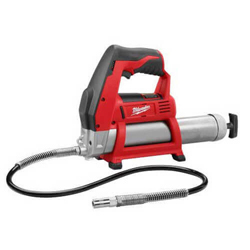
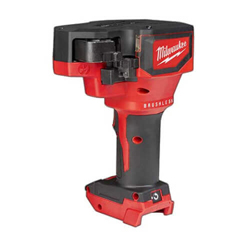
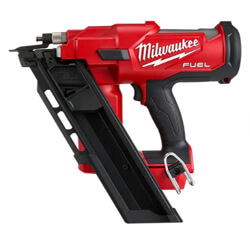
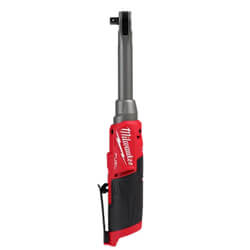
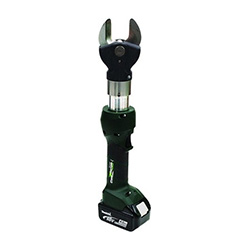

Subcategories
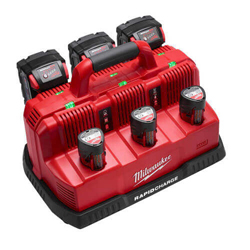
- Batteries & Chargers: Batteries and chargers keep cordless tool platforms running through a full shift, with options ranging from compact packs for lighter tools to high-capacity packs for heavy-duty drilling and cutting. Contractors match battery voltage and platform to their existing tools rather than buying by capacity alone. Fast chargers cut downtime between jobs when a crew is running several tools off the same battery line.
- Bolt Cutters: Bolt cutters handle cutting through bolts, rod, chain, and light cable where a saw isn't practical or safe to use. Cordless versions add power for larger diameter cuts that would otherwise require significant hand force. Jaw capacity and material hardness rating determine which cutter fits a given job.
- Cordless Ratchets: Cordless ratchets speed up fastening and removal in tight spaces where a full-size impact driver won't fit, common on strut assemblies, equipment panels, and confined mechanical rooms. Torque output is lower than a standard impact tool, which suits smaller fasteners better than heavy structural work. Drive size and torque rating are the main specs to check against the fastener being used.
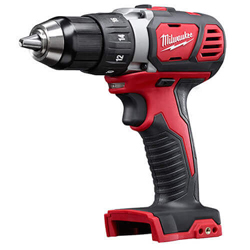
- Drills: Drills cover general-purpose drilling and driving tasks across wood, metal, and masonry, with cordless models now handling most trade work once reserved for corded tools. Hammer drill functions add impact force for masonry anchoring, while standard drill/driver combos suit everyday fastening. Chuck size and available torque settings guide selection based on bit size and material.
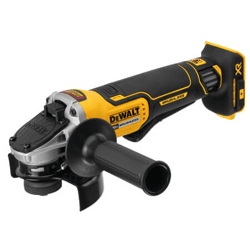
- Grinders: Grinders cut, deburr, and finish metal pipe, conduit, and structural steel on the job site. Angle grinders handle most cutting and grinding tasks, while smaller die grinders reach tighter spaces for detail work. Disc size and the tool's rated speed need to match the accessory being installed for safe operation.
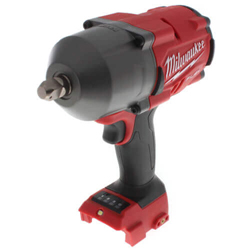
- Impact Wrenches: Impact wrenches deliver high torque for removing and installing larger fasteners such as lag bolts, structural bolts, and equipment mounting hardware. Cordless models now reach torque outputs that previously required corded or pneumatic tools. Drive size and maximum torque rating are the specs to confirm against the fastener size and material being worked.
Buying Guide
Identifying the primary task, whether drilling, cutting, fastening, or grinding, narrows the power tool category before comparing individual models, since each tool type in this lineup is built around a distinct function.
Battery platform compatibility is worth checking before adding a new cordless tool to the truck. Staying within one battery platform means fewer chargers and battery types to keep charged and reduces the number of spare packs a crew needs to carry.
Torque and speed ratings matter most for fastening tools such as impact wrenches and cordless ratchets. Matching the tool's torque range to the fastener size prevents over-tightening or stalling out on larger bolts.
Size and reach considerations separate similar tools within the same category. A cordless ratchet reaches tighter spaces than a full-size impact wrench, and a die grinder works in spots an angle grinder can't, so job site conditions often decide which size to carry.
Accessory compatibility, including disc size for grinders and bit or socket size for drills and wrenches, should be checked against the tools already on hand before ordering, since a tool that doesn't share accessories with existing equipment adds extra parts to stock.
Frequently Asked Questions
What's the advantage of staying on one cordless battery platform?
Staying on one battery platform means a single charger and battery type work across drills, grinders, wrenches, and other tools, cutting down on the number of chargers and spare batteries a crew needs to carry.
When should I use a cordless ratchet instead of an impact wrench?
A cordless ratchet is the better choice in tight spaces where a full-size impact wrench won't fit, such as strut assemblies or confined mechanical rooms, though it delivers less torque than a standard impact tool.
What torque rating do I need for structural bolts?
Torque requirements depend on the bolt size and material being fastened, so checking the fastener manufacturer's torque specification against the tool's rated output before use helps avoid over-tightening or a stalled fastener.
Are hammer drills necessary for masonry anchoring?
A hammer drill's added impact force makes drilling into masonry and concrete faster and reduces bit wear compared to a standard drill/driver, making it the better choice for anchor installation in those materials.
How do I choose between an angle grinder and a die grinder?
An angle grinder handles most general cutting and grinding tasks on pipe, conduit, and steel, while a die grinder's smaller size reaches tighter spots for detail work where a full-size grinder won't fit.
Resources
Subcategories
- Batteries & Chargers: Batteries and chargers keep cordless tool platforms running through a full shift, with options ranging from compact packs for lighter tools to high-capacity packs for heavy-duty drilling and cutting. Contractors match battery voltage and platform to their existing tools rather than buying by capacity alone. Fast chargers cut downtime between jobs when a crew is running several tools off the same battery line.
- Bolt Cutters: Bolt cutters handle cutting through bolts, rod, chain, and light cable where a saw isn't practical or safe to use. Cordless versions add power for larger diameter cuts that would otherwise require significant hand force. Jaw capacity and material hardness rating determine which cutter fits a given job.
- Cordless Ratchets: Cordless ratchets speed up fastening and removal in tight spaces where a full-size impact driver won't fit, common on strut assemblies, equipment panels, and confined mechanical rooms. Torque output is lower than a standard impact tool, which suits smaller fasteners better than heavy structural work. Drive size and torque rating are the main specs to check against the fastener being used.
- Drills: Drills cover general-purpose drilling and driving tasks across wood, metal, and masonry, with cordless models now handling most trade work once reserved for corded tools. Hammer drill functions add impact force for masonry anchoring, while standard drill/driver combos suit everyday fastening. Chuck size and available torque settings guide selection based on bit size and material.
- Grinders: Grinders cut, deburr, and finish metal pipe, conduit, and structural steel on the job site. Angle grinders handle most cutting and grinding tasks, while smaller die grinders reach tighter spaces for detail work. Disc size and the tool's rated speed need to match the accessory being installed for safe operation.
- Impact Wrenches: Impact wrenches deliver high torque for removing and installing larger fasteners such as lag bolts, structural bolts, and equipment mounting hardware. Cordless models now reach torque outputs that previously required corded or pneumatic tools. Drive size and maximum torque rating are the specs to confirm against the fastener size and material being worked.
Buying Guide
Identifying the primary task, whether drilling, cutting, fastening, or grinding, narrows the power tool category before comparing individual models, since each tool type in this lineup is built around a distinct function.
Battery platform compatibility is worth checking before adding a new cordless tool to the truck. Staying within one battery platform means fewer chargers and battery types to keep charged and reduces the number of spare packs a crew needs to carry.
Torque and speed ratings matter most for fastening tools such as impact wrenches and cordless ratchets. Matching the tool's torque range to the fastener size prevents over-tightening or stalling out on larger bolts.
Size and reach considerations separate similar tools within the same category. A cordless ratchet reaches tighter spaces than a full-size impact wrench, and a die grinder works in spots an angle grinder can't, so job site conditions often decide which size to carry.
Accessory compatibility, including disc size for grinders and bit or socket size for drills and wrenches, should be checked against the tools already on hand before ordering, since a tool that doesn't share accessories with existing equipment adds extra parts to stock.
Frequently Asked Questions
What's the advantage of staying on one cordless battery platform?
Staying on one battery platform means a single charger and battery type work across drills, grinders, wrenches, and other tools, cutting down on the number of chargers and spare batteries a crew needs to carry.
When should I use a cordless ratchet instead of an impact wrench?
A cordless ratchet is the better choice in tight spaces where a full-size impact wrench won't fit, such as strut assemblies or confined mechanical rooms, though it delivers less torque than a standard impact tool.
What torque rating do I need for structural bolts?
Torque requirements depend on the bolt size and material being fastened, so checking the fastener manufacturer's torque specification against the tool's rated output before use helps avoid over-tightening or a stalled fastener.
Are hammer drills necessary for masonry anchoring?
A hammer drill's added impact force makes drilling into masonry and concrete faster and reduces bit wear compared to a standard drill/driver, making it the better choice for anchor installation in those materials.
How do I choose between an angle grinder and a die grinder?
An angle grinder handles most general cutting and grinding tasks on pipe, conduit, and steel, while a die grinder's smaller size reaches tighter spots for detail work where a full-size grinder won't fit.