




Filters
SORT
Product Availability –
Brand –
Size –
Inlet Type –
Outlet Type –
Review Score –
 --%3E %3Csvg version='1.1' id='Fill' xmlns='http://www.w3.org/2000/svg' xmlns:xlink='http://www.w3.org/1999/xlink' x='0px' y='0px' viewBox='0 0 100 100' enable-background='new 0 0 100 100' xml:space='preserve'%3E %3Cpath fill='%23F15C02' d='M79.44,0.95H20.56C9.78,0.95,0.95,9.78,0.95,20.56v58.87c0,10.79,8.82,19.61,19.61,19.61h58.87 c10.79,0,19.61-8.83,19.61-19.61V20.56C99.05,9.78,90.22,0.95,79.44,0.95z M65.38,58.24l9.38,29.58L49.69,69.78L24.5,87.82 l9.34-29.6L8.8,39.6l30.73-0.17c0,0,6.98-19.61,10-28.93c0.54,1.36,9.88,29.1,9.88,29.1H91.2L65.38,58.24z'/%3E %3C/svg%3E)
 --%3E %3Csvg version='1.1' id='With-RB' xmlns='http://www.w3.org/2000/svg' xmlns:xlink='http://www.w3.org/1999/xlink' x='0px' y='0px' viewBox='0 0 100 100' enable-background='new 0 0 100 100' xml:space='preserve'%3E %3Cpath fill='%23FBC8B4' d='M79.44,0.95H20.56C9.78,0.95,0.95,9.78,0.95,20.56v58.87c0,10.79,8.82,19.61,19.61,19.61h58.87 c10.79,0,19.61-8.83,19.61-19.61V20.56C99.05,9.78,90.22,0.95,79.44,0.95z M65.38,58.24l9.38,29.58L49.69,69.78L24.5,87.82 l9.34-29.6L8.8,39.6l30.73-0.17c0,0,6.98-19.61,10-28.93c0.54,1.36,9.88,29.1,9.88,29.1H91.2L65.38,58.24z'/%3E %3C/svg%3E)
Price Range –
Resideo Braukmann Pressure Reducing Valves

 --%3E %3Csvg version='1.1' id='No-RB' xmlns='http://www.w3.org/2000/svg' xmlns:xlink='http://www.w3.org/1999/xlink' x='0px' y='0px' viewBox='0 0 100 100' enable-background='new 0 0 100 100' xml:space='preserve'%3E %3Cpath fill='%23CECECE' d='M79.44,0.95H20.56C9.78,0.95,0.95,9.78,0.95,20.56v58.87c0,10.79,8.82,19.61,19.61,19.61h58.87 c10.79,0,19.61-8.83,19.61-19.61V20.56C99.05,9.78,90.22,0.95,79.44,0.95z M65.38,58.24l9.38,29.58L49.69,69.78L24.5,87.82 l9.34-29.6L8.8,39.6l30.73-0.17c0,0,6.98-19.61,10-28.93c0.54,1.36,9.88,29.1,9.88,29.1H91.2L65.38,58.24z'/%3E %3C/svg%3E)


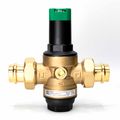

Resideo Braukmann pressure reducing valves regulate incoming water supply pressure down to a consistent operating level, protecting plumbing systems and appliances from the damage that excessive or fluctuating pressure can cause. Braukmann valves are manufactured in Germany and carry a five-year warranty, reflecting the pressure-reduction line's focus on long-term reliability in domestic, commercial, and industrial installations. Municipal water pressure varies throughout the day, and a pressure reducing valve smooths out those fluctuations so fixtures and appliances downstream see steady, predictable pressure rather than spikes that can shorten their service life. Reducing pressure to an appropriate level also cuts water use at fixtures like showerheads, since lower pressure reduces flow rate without necessarily affecting how the fixture performs. Water hammer, the pressure spike that occurs when flow stops suddenly, is less severe on a system with a properly set pressure reducing valve in place, which helps protect fittings and connections throughout a building.
Subcategories
- 1/2 Inch and 3/4 Inch Valves: 1/2 inch and 3/4 inch valves cover the connection sizes most commonly installed on residential water service entrances, where a single valve regulates pressure for the entire building. Plumbers typically install this size range immediately after the main shutoff, so every fixture downstream benefits from the reduced, consistent pressure. Braukmann valves in this size range carry pressure ratings up to PN16 or PN25 depending on the specific model, which corresponds to the maximum inlet pressure the valve can safely handle. Selecting the correct connection size to match the existing service line avoids needing additional adapters at installation.
- Flanged Valves for Larger Lines: Flanged valves serve larger commercial and industrial water lines where a threaded connection is not practical for the pipe diameter involved. Flanged valves mount using a bolted flange connection rather than a threaded joint, which better suits the larger pipe sizes and higher flow volumes found in commercial buildings. Facilities with multiple pressure zones or a large combined fixture count typically specify a flanged valve at the main service entrance rather than relying on smaller valves throughout the building. Material selection, typically brass or stainless steel, depends on the specific water quality and application at the installation site.
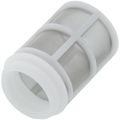
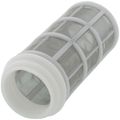
- Replacement Cartridges and Filter Bowls: Replacement cartridges and filter bowls keep an existing valve working correctly without requiring a full valve replacement when the internal components wear out. The filter bowl is available in clear or standard configurations, with the clear version letting a technician visually check for sediment buildup without disassembling the valve. Regulating cartridges wear gradually with use, and a valve that no longer holds a consistent outlet pressure often needs a cartridge replacement rather than a full valve swap. Checking for sediment in the filter bowl during routine maintenance can catch a clogging issue before it affects downstream pressure.
Buying Guide
Sizing a valve correctly starts with matching its connection size and pressure rating to the building's water service line and expected supply pressure. A valve rated for a lower maximum inlet pressure than what the municipal supply can deliver risks damage or failure, so confirming the incoming pressure before selecting a model matters more than matching by pipe size alone. Residential installations typically use a 1/2 inch or 3/4 inch valve installed just after the main shutoff, where it protects every fixture in the building from a single point. Commercial and industrial buildings with larger service lines generally need a flanged valve instead, since the bolted flange connection handles higher flow volumes and larger pipe diameters that a threaded valve cannot accommodate. Material choice between brass and stainless steel depends on water quality at the site, with stainless steel offering additional corrosion resistance in water with higher mineral content or other corrosive characteristics. Setting the valve's outlet pressure correctly after installation matters as much as selecting the right model, since an improperly adjusted valve can still deliver inconsistent pressure even with the correct hardware in place. Routine maintenance, including checking the filter bowl for sediment buildup, extends the service life of a Resideo Braukmann Pressure Reducing Valve and helps catch a developing pressure problem before it affects fixtures throughout the building. The five-year warranty on these valves reflects the manufacturer's expectation for long-term reliability once properly sized and installed.
Frequently Asked Questions
What pressure rating should a Braukmann pressure reducing valve have for a typical home?
The valve's maximum inlet pressure rating needs to exceed whatever pressure the municipal water supply can deliver at its peak, which is typically confirmed with a pressure gauge at the water service entrance before selecting a model. Most residential installations use a valve rated well above typical municipal supply pressure to provide a margin of safety.
How often should the filter bowl be checked for sediment?
Checking the filter bowl during routine plumbing maintenance, roughly once or twice a year depending on water quality, helps catch sediment buildup before it restricts flow or affects the valve's regulating performance. Homes on well water or in areas with higher sediment content may need more frequent checks.
What is the difference between a threaded and a flanged pressure reducing valve?
A threaded valve connects directly to pipe threads and suits smaller residential service lines, while a flanged valve uses a bolted connection designed for larger commercial and industrial pipe diameters and higher flow volumes. Choosing between the two depends mainly on the size and type of the existing service line.
Does a pressure reducing valve reduce water flow at fixtures?
Lowering pressure to a consistent, appropriate level does reduce flow rate somewhat at fixtures like showerheads, but properly sized fixtures generally still perform well at the reduced pressure a valve provides. The tradeoff is generally worthwhile given the protection the valve provides against pressure related damage.
What does the five-year warranty on Braukmann valves cover?
The warranty covers the valve against manufacturing defects for five years from installation, reflecting the manufacturer's confidence in the valve's build quality when properly sized and installed. Specific warranty terms and claim procedures are available through the manufacturer or the distributor where the valve was purchased.
