




Return Air Grilles
Return air grilles are the fixtures installed at the entry point of a return air duct or plenum, allowing conditioned space air to flow back into the HVAC system for reconditioning. The category includes aluminum and steel construction in fixed, adjustable, and filter-back configurations, sized and styled to match ceiling, wall, or floor installations. Selecting the right grille affects both airflow efficiency and the finished appearance of a mechanical room or living space.
Material and finish matter alongside size and mounting style, since aluminum grilles resist corrosion better in humid environments while steel options tend to hold up well under higher foot traffic in floor applications. Matching free area, meaning the percentage of open space that actually passes air, to the system's design airflow keeps a return grille from becoming a bottleneck in the duct system.
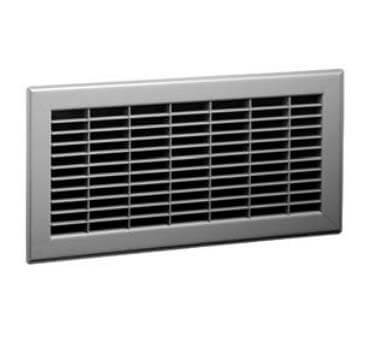
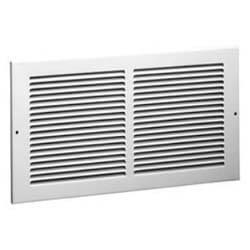







Subcategories
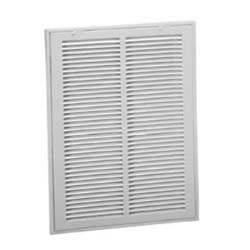
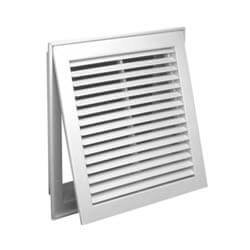
- Aluminum Egg Crate Return Air Filter Grilles (REF5T Series): The REF5T series combines an egg crate core with a built-in filter track, giving a return grille that captures debris directly at the return opening. Contractors use it in spaces where a separate filter grille isn't practical. The aluminum core resists corrosion in humid mechanical rooms.
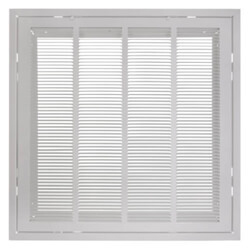
- Aluminum Egg Crate Return Air Grilles (RE5 Series): The RE5 series uses an open egg crate core that maximizes free area for return airflow without a filter element. Contractors choose it where filtration happens elsewhere in the system and unobstructed airflow is the priority. Aluminum construction keeps the grille lightweight for ceiling installations.
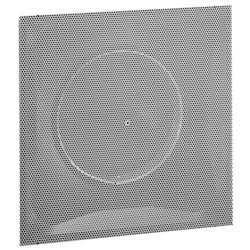
- Aluminum Egg Crate T-Bar Return Air Grilles (RE5T Series): The RE5T series is built specifically to drop into a suspended T-bar ceiling grid, pairing the RE5 egg crate core with a frame sized for standard ceiling tile openings. Contractors use it in commercial spaces with drop ceilings. The T-bar frame simplifies installation without additional mounting hardware.
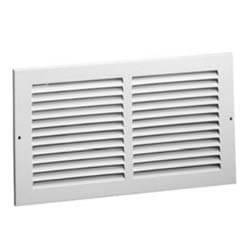
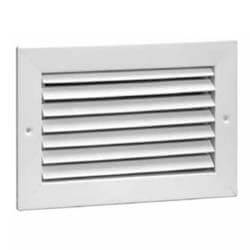
- Aluminum Fixed Horizontal Deflected Grilles (RH45 Series): The RH45 series uses fixed horizontal blades set at a 45-degree deflection angle to direct return airflow in a specific pattern. Contractors select it for wall-mounted returns where airflow direction affects room comfort. Aluminum blades keep the grille lightweight and corrosion-resistant.
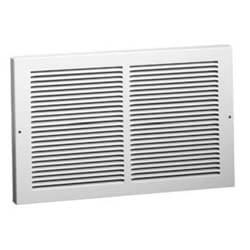
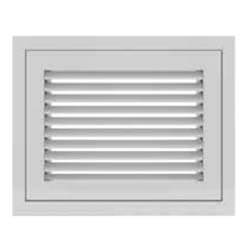
- Aluminum Fixed Horizontal Return Grilles (RH90 Series): The RH90 series features fixed horizontal blades set at a steeper deflection angle than the RH45 line, changing the direction return air enters the grille. Contractors choose between the two series based on the room layout and airflow pattern needed. Both use the same aluminum construction for corrosion resistance.
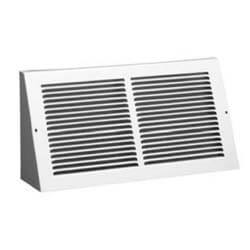
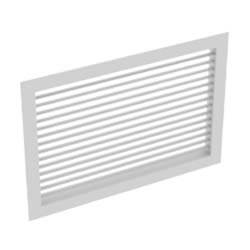
- Aluminum Horizontal Single Deflection Grilles (HX Series): The HX series uses a single row of horizontal blades to direct return airflow while maintaining a lower profile than double-deflection designs. Contractors use it in wall or ceiling applications where a simpler blade configuration meets the airflow requirements. Aluminum construction supports use in humid environments.
Buying Guide
Sizing a return air grille starts with the return duct or plenum opening dimensions, since the grille's frame needs to match that opening for a clean, sealed installation. Undersized grilles restrict airflow and can create noise, while oversized grilles leave gaps that reduce the system's ability to draw return air efficiently.
Free area, the percentage of the grille's face that's actually open for airflow, determines how much air a given grille size can handle without excessive pressure drop. Egg crate designs typically offer higher free area than louvered or deflected blade designs, making them a common choice where maximizing airflow matters more than directing it.
Mounting location shapes the right grille style. Ceiling installations in commercial spaces with suspended grid ceilings often call for a T-bar frame sized to drop into standard ceiling tile openings, while wall and floor returns typically use a surface-mount frame secured directly to the wall or floor opening.
Material choice affects both durability and finished appearance. Aluminum grilles resist corrosion in humid mechanical spaces and stay lightweight for ceiling mounting, while steel grilles can hold up better under foot traffic in floor-mounted return applications.
Deflection style, whether fixed blades, adjustable blades, or an open egg crate core, changes how return air enters the grille and can affect room comfort near the return location. Matching deflection angle to the layout of furniture or fixtures near the return opening helps avoid drafts or airflow that feels uneven.
Frequently Asked Questions
How do I size a return air grille correctly?
Measure the return duct or plenum opening the grille will cover, then choose a grille frame sized to match that opening for a sealed fit. Undersized grilles restrict airflow, while oversized ones leave gaps around the frame.
What does 'free area' mean on a return air grille?
Free area is the percentage of the grille's face that's actually open to airflow, as opposed to the frame and blades that block it. Higher free area generally means less resistance and better airflow for the same grille size.
What's the difference between an egg crate and a louvered return grille?
Egg crate grilles use an open grid pattern that maximizes free area and airflow, while louvered or deflected-blade grilles use angled blades that direct airflow in a specific direction. The choice depends on whether directing airflow or maximizing volume matters more for the space.
Can a return air grille double as a filter grille?
Some models, like egg crate grilles with a built-in filter track, combine both functions in one fixture. Standard return grilles without a filter track need a separate filter installed elsewhere in the return path.
Should I choose aluminum or steel for a return air grille?
Aluminum resists corrosion well in humid mechanical rooms and stays lightweight for ceiling mounting, while steel can hold up better under foot traffic in floor-mounted applications. The choice usually comes down to installation location and expected wear.
Resources
Subcategories
- Aluminum Egg Crate Return Air Filter Grilles (REF5T Series): The REF5T series combines an egg crate core with a built-in filter track, giving a return grille that captures debris directly at the return opening. Contractors use it in spaces where a separate filter grille isn't practical. The aluminum core resists corrosion in humid mechanical rooms.
- Aluminum Egg Crate Return Air Grilles (RE5 Series): The RE5 series uses an open egg crate core that maximizes free area for return airflow without a filter element. Contractors choose it where filtration happens elsewhere in the system and unobstructed airflow is the priority. Aluminum construction keeps the grille lightweight for ceiling installations.
- Aluminum Egg Crate T-Bar Return Air Grilles (RE5T Series): The RE5T series is built specifically to drop into a suspended T-bar ceiling grid, pairing the RE5 egg crate core with a frame sized for standard ceiling tile openings. Contractors use it in commercial spaces with drop ceilings. The T-bar frame simplifies installation without additional mounting hardware.
- Aluminum Fixed Horizontal Deflected Grilles (RH45 Series): The RH45 series uses fixed horizontal blades set at a 45-degree deflection angle to direct return airflow in a specific pattern. Contractors select it for wall-mounted returns where airflow direction affects room comfort. Aluminum blades keep the grille lightweight and corrosion-resistant.
- Aluminum Fixed Horizontal Return Grilles (RH90 Series): The RH90 series features fixed horizontal blades set at a steeper deflection angle than the RH45 line, changing the direction return air enters the grille. Contractors choose between the two series based on the room layout and airflow pattern needed. Both use the same aluminum construction for corrosion resistance.
- Aluminum Horizontal Single Deflection Grilles (HX Series): The HX series uses a single row of horizontal blades to direct return airflow while maintaining a lower profile than double-deflection designs. Contractors use it in wall or ceiling applications where a simpler blade configuration meets the airflow requirements. Aluminum construction supports use in humid environments.
Buying Guide
Sizing a return air grille starts with the return duct or plenum opening dimensions, since the grille's frame needs to match that opening for a clean, sealed installation. Undersized grilles restrict airflow and can create noise, while oversized grilles leave gaps that reduce the system's ability to draw return air efficiently.
Free area, the percentage of the grille's face that's actually open for airflow, determines how much air a given grille size can handle without excessive pressure drop. Egg crate designs typically offer higher free area than louvered or deflected blade designs, making them a common choice where maximizing airflow matters more than directing it.
Mounting location shapes the right grille style. Ceiling installations in commercial spaces with suspended grid ceilings often call for a T-bar frame sized to drop into standard ceiling tile openings, while wall and floor returns typically use a surface-mount frame secured directly to the wall or floor opening.
Material choice affects both durability and finished appearance. Aluminum grilles resist corrosion in humid mechanical spaces and stay lightweight for ceiling mounting, while steel grilles can hold up better under foot traffic in floor-mounted return applications.
Deflection style, whether fixed blades, adjustable blades, or an open egg crate core, changes how return air enters the grille and can affect room comfort near the return location. Matching deflection angle to the layout of furniture or fixtures near the return opening helps avoid drafts or airflow that feels uneven.
Frequently Asked Questions
How do I size a return air grille correctly?
Measure the return duct or plenum opening the grille will cover, then choose a grille frame sized to match that opening for a sealed fit. Undersized grilles restrict airflow, while oversized ones leave gaps around the frame.
What does 'free area' mean on a return air grille?
Free area is the percentage of the grille's face that's actually open to airflow, as opposed to the frame and blades that block it. Higher free area generally means less resistance and better airflow for the same grille size.
What's the difference between an egg crate and a louvered return grille?
Egg crate grilles use an open grid pattern that maximizes free area and airflow, while louvered or deflected-blade grilles use angled blades that direct airflow in a specific direction. The choice depends on whether directing airflow or maximizing volume matters more for the space.
Can a return air grille double as a filter grille?
Some models, like egg crate grilles with a built-in filter track, combine both functions in one fixture. Standard return grilles without a filter track need a separate filter installed elsewhere in the return path.
Should I choose aluminum or steel for a return air grille?
Aluminum resists corrosion well in humid mechanical rooms and stays lightweight for ceiling mounting, while steel can hold up better under foot traffic in floor-mounted applications. The choice usually comes down to installation location and expected wear.