




Filters
SORT
Product Availability –
Category –
Review Score –
 --%3E %3Csvg version='1.1' id='Fill' xmlns='http://www.w3.org/2000/svg' xmlns:xlink='http://www.w3.org/1999/xlink' x='0px' y='0px' viewBox='0 0 100 100' enable-background='new 0 0 100 100' xml:space='preserve'%3E %3Cpath fill='%23F15C02' d='M79.44,0.95H20.56C9.78,0.95,0.95,9.78,0.95,20.56v58.87c0,10.79,8.82,19.61,19.61,19.61h58.87 c10.79,0,19.61-8.83,19.61-19.61V20.56C99.05,9.78,90.22,0.95,79.44,0.95z M65.38,58.24l9.38,29.58L49.69,69.78L24.5,87.82 l9.34-29.6L8.8,39.6l30.73-0.17c0,0,6.98-19.61,10-28.93c0.54,1.36,9.88,29.1,9.88,29.1H91.2L65.38,58.24z'/%3E %3C/svg%3E)
 --%3E %3Csvg version='1.1' id='With-RB' xmlns='http://www.w3.org/2000/svg' xmlns:xlink='http://www.w3.org/1999/xlink' x='0px' y='0px' viewBox='0 0 100 100' enable-background='new 0 0 100 100' xml:space='preserve'%3E %3Cpath fill='%23FBC8B4' d='M79.44,0.95H20.56C9.78,0.95,0.95,9.78,0.95,20.56v58.87c0,10.79,8.82,19.61,19.61,19.61h58.87 c10.79,0,19.61-8.83,19.61-19.61V20.56C99.05,9.78,90.22,0.95,79.44,0.95z M65.38,58.24l9.38,29.58L49.69,69.78L24.5,87.82 l9.34-29.6L8.8,39.6l30.73-0.17c0,0,6.98-19.61,10-28.93c0.54,1.36,9.88,29.1,9.88,29.1H91.2L65.38,58.24z'/%3E %3C/svg%3E)
Price Range –
Siemens Parts


 --%3E %3Csvg version='1.1' id='No-RB' xmlns='http://www.w3.org/2000/svg' xmlns:xlink='http://www.w3.org/1999/xlink' x='0px' y='0px' viewBox='0 0 100 100' enable-background='new 0 0 100 100' xml:space='preserve'%3E %3Cpath fill='%23CECECE' d='M79.44,0.95H20.56C9.78,0.95,0.95,9.78,0.95,20.56v58.87c0,10.79,8.82,19.61,19.61,19.61h58.87 c10.79,0,19.61-8.83,19.61-19.61V20.56C99.05,9.78,90.22,0.95,79.44,0.95z M65.38,58.24l9.38,29.58L49.69,69.78L24.5,87.82 l9.34-29.6L8.8,39.6l30.73-0.17c0,0,6.98-19.61,10-28.93c0.54,1.36,9.88,29.1,9.88,29.1H91.2L65.38,58.24z'/%3E %3C/svg%3E)
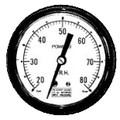
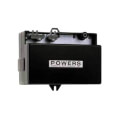
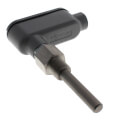
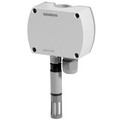
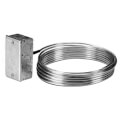
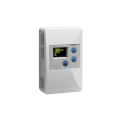
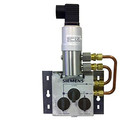
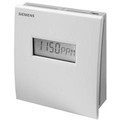


Siemens parts cover the sensors, actuators, valves, and control modules that keep Siemens building automation and HVAC equipment operating as designed, spanning air handling units, hydronic balancing devices, and boiler or chiller control platforms. Many current-generation components run on the Climatix control platform, Siemens' connected building-automation architecture, so a replacement part often needs to match not just physical fit but firmware and communication protocol as well. Facilities and controls contractors turn to genuine Siemens parts when servicing packaged rooftop units, VAV boxes, and central plant equipment tied into a building management system, since a mismatched actuator or sensor can throw off calibration across an entire control loop. Sourcing the correct part number up front avoids a second service call to recalibrate a system that was fighting a substitute component the whole time.
Subcategories
- Temperature & Humidity Sensors: Temperature and humidity sensors feed the readings that a Siemens building automation system uses to adjust heating, cooling, and ventilation setpoints across a zone. Room-mount, duct-mount, and outdoor models each use different housings and, in some cases, different resistance curves, so a replacement needs to match the specific mounting type rather than just the sensing function. A miscalibrated or mismatched sensor can throw off an entire control loop's response even when every other component in the loop is working correctly. Confirming the exact part number against the original installation avoids that kind of hidden calibration problem.
- Damper & Valve Actuators: Damper and valve actuators convert a control signal into physical movement, opening or closing a damper blade or valve to regulate airflow or water flow through a zone. Siemens actuators are built for either a modulating signal or a simple on/off signal, and installing the wrong type leaves a damper stuck in one position or cycling erratically rather than responding proportionally. Spring-return models add a fail-safe function, driving the damper to a default position on a power loss. Matching both the control signal type and the mounting shaft size to the original actuator keeps a replacement functioning as designed.
- Control Valves: Control valves regulate hot or chilled water flow through coils, radiators, and hydronic distribution systems in response to a Siemens control signal. Two-way and three-way body styles serve different piping configurations, with three-way valves commonly used where a system needs to maintain constant flow while varying how much goes through a coil. Valve sizing depends on the flow rate and pressure drop of the specific application rather than just the pipe size it connects to. Working from the original valve's model number, rather than matching by pipe thread alone, is the more reliable way to size a replacement.
- Controllers & Building Automation Modules: Controllers and automation modules run the programmed logic that ties sensors, actuators, and valves together into a functioning control sequence for a zone or piece of equipment. Newer modules typically run on the Climatix platform, which handles communication across a building's automation network, while older buildings may still run earlier-generation controllers with different communication protocols. Swapping a module without confirming protocol compatibility can disconnect that piece of equipment from the rest of the building automation system entirely. Reviewing the network architecture before ordering a replacement module avoids that kind of compatibility failure.
Buying Guide
Sourcing the right Siemens part starts with the control platform the building is already running, since Siemens has supported multiple generations of building automation architecture over the years and a part built for one generation doesn't always communicate with an older or newer control system. Pulling the model number directly off the failed component, rather than matching by function alone, is the most reliable way to confirm compatibility before ordering a replacement.
Actuators and valves need to match both the physical mounting pattern and the control signal type, since a Siemens actuator built for a modulating signal won't operate correctly on a system wired for on/off control. Sensors carry their own compatibility considerations. A room temperature sensor and a duct-mount sensor may look similar but use different mounting hardware and, in some cases, different resistance curves, so swapping one for the other can throw off calibration across a control loop.
For facilities standardized on Siemens Parts across multiple buildings or floors, keeping a small stock of the most commonly replaced sensors and actuators on hand shortens the time a control loop spends out of calibration. Controllers and automation modules tied into a building management system carry the highest stakes for a mismatch, since a wrong module can affect scheduling and setpoints for an entire zone rather than a single device.
Frequently Asked Questions
How does a technician confirm a replacement part matches the existing control platform?
Checking the model number stamped on the failed component against the current Siemens parts catalog is the most direct way to confirm compatibility. Matching by physical size or by general function alone can lead to ordering a part built for a different control signal or communication protocol.
Can an actuator built for modulating control be used on an on/off system?
Generally not without additional wiring or a different actuator model, since the two control types expect different input signals. Installing the wrong type can leave a damper or valve stuck in one position or cycling erratically.
Why do two similar-looking Siemens sensors behave differently once installed?
Sensors that look alike can use different resistance curves or communication protocols depending on the generation of control platform they were designed for. Confirming the exact part number before installation avoids a calibration mismatch that's difficult to diagnose after the fact.
What should be checked before replacing a Siemens control module tied into a building automation system?
Confirming the firmware version and communication protocol supported by the rest of the building automation network comes first, since a module built for a newer platform may not integrate with older field devices. Reviewing the network architecture with whoever manages the building automation system helps avoid a mismatch.
Are Siemens parts interchangeable across different building automation product lines?
Some components, such as certain sensors, share compatibility across product lines, but actuators, valves, and controllers are typically specific to the platform they were designed for. Cross-referencing the part number against the current Siemens catalog before ordering is the safest way to confirm interchangeability.
