




Sporlan Temperature Controls

 --%3E %3Csvg version='1.1' id='No-RB' xmlns='http://www.w3.org/2000/svg' xmlns:xlink='http://www.w3.org/1999/xlink' x='0px' y='0px' viewBox='0 0 100 100' enable-background='new 0 0 100 100' xml:space='preserve'%3E %3Cpath fill='%23CECECE' d='M79.44,0.95H20.56C9.78,0.95,0.95,9.78,0.95,20.56v58.87c0,10.79,8.82,19.61,19.61,19.61h58.87 c10.79,0,19.61-8.83,19.61-19.61V20.56C99.05,9.78,90.22,0.95,79.44,0.95z M65.38,58.24l9.38,29.58L49.69,69.78L24.5,87.82 l9.34-29.6L8.8,39.6l30.73-0.17c0,0,6.98-19.61,10-28.93c0.54,1.36,9.88,29.1,9.88,29.1H91.2L65.38,58.24z'/%3E %3C/svg%3E)

 --%3E %3Csvg version='1.1' id='Fill' xmlns='http://www.w3.org/2000/svg' xmlns:xlink='http://www.w3.org/1999/xlink' x='0px' y='0px' viewBox='0 0 100 100' enable-background='new 0 0 100 100' xml:space='preserve'%3E %3Cpath fill='%23F15C02' d='M79.44,0.95H20.56C9.78,0.95,0.95,9.78,0.95,20.56v58.87c0,10.79,8.82,19.61,19.61,19.61h58.87 c10.79,0,19.61-8.83,19.61-19.61V20.56C99.05,9.78,90.22,0.95,79.44,0.95z M65.38,58.24l9.38,29.58L49.69,69.78L24.5,87.82 l9.34-29.6L8.8,39.6l30.73-0.17c0,0,6.98-19.61,10-28.93c0.54,1.36,9.88,29.1,9.88,29.1H91.2L65.38,58.24z'/%3E %3C/svg%3E)

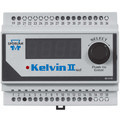
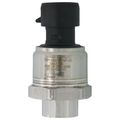


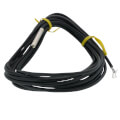
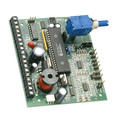
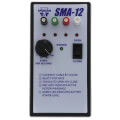


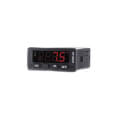
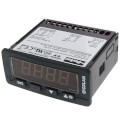
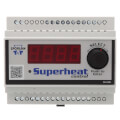
Sporlan Temperature Controls cover the thermostatic and electronic control components that Sporlan, a Parker Hannifin brand, manufactures for commercial refrigeration and air conditioning systems. Contractors specify Sporlan controls on walk-in coolers, freezers, and commercial HVAC equipment where precise temperature regulation protects both the equipment and the stored product. The controls regulate refrigerant flow and system temperature by responding to changes in evaporator or space temperature, keeping refrigeration equipment operating within its designed range. The category includes both mechanical thermostatic controls and electronic control modules, giving technicians options depending on the system's existing control architecture. Replacing a failed control with the correct Sporlan model keeps calibration consistent with the rest of the refrigeration circuit. Because refrigeration systems are sensitive to control drift, technicians test and calibrate replacement controls during installation rather than assuming factory settings match the application.
Subcategories
- Mechanical Thermostats: Mechanical thermostatic controls use a temperature-sensing bulb and bellows assembly to open and close a switch or valve as evaporator temperature changes, without needing external power. Technicians favor this control type on simpler refrigeration systems where a straightforward mechanical response is easier to troubleshoot than an electronic board. Adjusting the differential setting on a mechanical thermostat changes how often the compressor cycles. A worn or drifting bulb is usually the first component technicians check when a mechanical control stops holding setpoint accurately.
- Electronic Controls: Electronic temperature controls use a digital sensor and control board to manage compressor cycling, defrost timing, and alarm functions on more complex refrigeration systems. Technicians choose electronic controls when a job calls for programmable setpoints, remote monitoring, or tighter temperature tolerances than a mechanical thermostat can hold. Wiring an electronic control correctly to the system's sensors and outputs matters, since a miswired input can cause erratic cycling. Many electronic Sporlan controls also log fault codes that help narrow down a service call.
- Defrost Controls: Defrost controls manage when and how long a refrigeration system runs its defrost cycle to clear frost buildup from the evaporator coil. Technicians set defrost timing based on the box's humidity load and how often the door opens, since an undersized defrost schedule leaves frost on the coil while an oversized one wastes energy and adds heat load. Sporlan defrost controls handle time-initiated, temperature-terminated cycles common in walk-in refrigeration. Replacing a failed defrost control restores normal cooling capacity that frost buildup had been reducing.
- Control Accessories & Sensors: Sensors, bulbs, and wiring harnesses support the main temperature control and often fail before the control itself does. Technicians replace a temperature sensor or capillary bulb when a control reads inaccurately but tests fine on the bench. Keeping a stock of common sensor types speeds up a service call, since a bad sensor can otherwise be mistaken for a failed control board. Correct sensor placement, away from door openings and direct airflow, keeps temperature readings accurate.
Buying Guide
Selecting the right Sporlan Temperature Controls starts with identifying whether the existing system uses mechanical or electronic control architecture, since the two aren't interchangeable without rewiring or reconfiguring the system. A straightforward walk-in cooler with a simple on/off compressor cycle typically runs on a mechanical thermostat, while systems with programmable setpoints, remote monitoring, or multiple defrost schedules call for an electronic control. When replacing a failed control, matching the differential range and temperature range to the original component keeps the refrigeration circuit calibrated the way it was designed. Technicians should also confirm the control's voltage and switch rating match the compressor or contactor it's driving, since an undersized switch rating can lead to premature control failure. For defrost controls, matching the defrost method, whether time-initiated or temperature-terminated, to what the rest of the system expects avoids conflicts with existing defrost timers or sensors. Because Sporlan Temperature Controls span both older mechanical designs and newer electronic modules, technicians working on an older system should verify a direct replacement is still available before assuming an upgrade to an electronic control is a simple swap; wiring changes are often required. Testing and calibrating any replacement control after installation, rather than trusting factory defaults, protects both the equipment and whatever product the refrigeration system is holding.
Frequently Asked Questions
What's the difference between mechanical and electronic Sporlan temperature controls?
Mechanical controls use a temperature-sensing bulb and bellows to operate without external power, while electronic controls use a digital sensor and control board that supports programmable setpoints and fault logging. The two aren't directly interchangeable without rewiring the system.
How can a technician tell if a failing control is the problem or just a bad sensor?
Testing the sensor or capillary bulb independently on the bench can rule it out before replacing the full control, since sensors fail more often than the control board itself. A control that reads inaccurately but tests correctly on the bench usually points to the sensor.
How is defrost timing set on a Sporlan defrost control?
Defrost timing depends on the box's humidity load and door-opening frequency, and it's set to time-initiated, temperature-terminated cycles common in walk-in refrigeration. An undersized schedule leaves frost on the coil, while an oversized one adds unnecessary heat load.
Can a mechanical thermostat system be upgraded to an electronic control?
It's possible, but it usually requires wiring changes rather than a direct swap, since electronic controls interface with sensors and outputs differently than a mechanical bulb-and-bellows thermostat. Confirming the system's wiring before ordering avoids a mismatched installation.
Why does a replacement control need calibration after installation?
Factory default settings don't always match the specific application's differential and temperature range, so technicians test and adjust the control once it's installed rather than trusting it to hold setpoint out of the box. Skipping this step can lead to short-cycling or temperature drift.
