




Steam Pressure Valves

 --%3E %3Csvg version='1.1' id='No-RB' xmlns='http://www.w3.org/2000/svg' xmlns:xlink='http://www.w3.org/1999/xlink' x='0px' y='0px' viewBox='0 0 100 100' enable-background='new 0 0 100 100' xml:space='preserve'%3E %3Cpath fill='%23CECECE' d='M79.44,0.95H20.56C9.78,0.95,0.95,9.78,0.95,20.56v58.87c0,10.79,8.82,19.61,19.61,19.61h58.87 c10.79,0,19.61-8.83,19.61-19.61V20.56C99.05,9.78,90.22,0.95,79.44,0.95z M65.38,58.24l9.38,29.58L49.69,69.78L24.5,87.82 l9.34-29.6L8.8,39.6l30.73-0.17c0,0,6.98-19.61,10-28.93c0.54,1.36,9.88,29.1,9.88,29.1H91.2L65.38,58.24z'/%3E %3C/svg%3E)
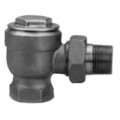
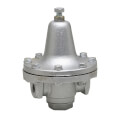

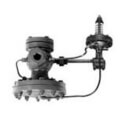
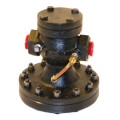
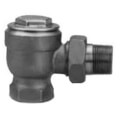

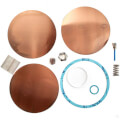


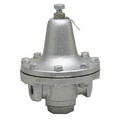
Steam pressure valves manage and protect a steam heating system by controlling how much pressure builds up inside the boiler and its piping during operation. A steam boiler generates pressure as it heats water into steam, and these valves either regulate that pressure to a set operating point or release it entirely if the system exceeds a safe limit. Pressure relief valves are the safety-critical piece of this category, opening automatically once pressure crosses the valve's rated setting to protect the boiler from over-pressurization. Pressure control switches, meanwhile, cycle the burner on and off to keep operating pressure within a target range rather than releasing steam. Matching the right valve type to a steam system's boiler and piping keeps the system both efficient and safe to operate season after season.
Subcategories
- Pressure Relief Valves: Pressure relief valves protect a steam boiler from over-pressurization by opening automatically once system pressure exceeds the valve's rated setting. Once pressure drops back below that threshold, the valve reseats and closes to stop the release. These valves are a required safety component on any steam boiler, not an optional accessory, since an over-pressurized boiler is a serious hazard. Matching a relief valve's pressure rating and discharge capacity to the boiler it protects is something a technician should never skip or estimate.
- Pressure Control Switches: Pressure control switches monitor steam pressure and cycle the boiler's burner on and off to hold pressure within a set operating range rather than releasing steam to atmosphere. A typical setup uses both a main control switch to manage day-to-day cycling and a high-limit switch as a backup that shuts the burner down if pressure climbs past the main control's setting. These switches see frequent cycling over a heating season, which makes them a common point of failure on older systems. A pressure control that's stuck or reading incorrectly can cause short-cycling or let pressure climb higher than intended.
- Gauge Glasses & Pressure Gauges: Pressure gauges and gauge glasses give a visual readout of a steam boiler's current operating pressure and water level, which a technician relies on to confirm the system is running within its intended range. A gauge glass specifically shows water level in the boiler, a separate concern from steam pressure but closely related since low water is a major cause of pressure and safety issues on a steam system. Replacing a cracked or fogged gauge glass is a routine maintenance item rather than a sign of a bigger problem. Keeping gauges accurate and readable helps catch a developing pressure or water level issue before it becomes a shutdown.
Buying Guide
Start with what the valve or control needs to do: relieving excess pressure, regulating burner cycling, or simply displaying a reading. A steam system typically needs at least one of each rather than a single all-purpose part, so identifying which function is missing or has failed narrows the search quickly.
For relief valves specifically, the pressure rating and discharge capacity need to match the boiler's rated output and maximum allowable working pressure exactly. Steam pressure valves that don't match these two numbers either fail to protect the boiler in time or won't fit the existing connection without an adapter. This is one area where matching the original part's specifications takes priority over finding a similar-looking substitute.
Pressure control switches should match the boiler's control voltage and the differential range the system is designed to run within. A main control and a high-limit backup typically work together on a single system, so replacing one without checking the other's condition can leave a gap in the system's safety layers.
Finally, don't overlook gauge glasses and pressure gauges during a service call. A gauge glass that's difficult to read or a pressure gauge that's stuck can hide a developing problem elsewhere in the system, so replacing worn ones during routine maintenance is worth the extra few minutes.
Frequently Asked Questions
What does a pressure relief valve do on a steam boiler?
A pressure relief valve opens automatically once system pressure exceeds its rated setting, releasing steam to protect the boiler from over-pressurization. It's a required safety component rather than an optional accessory on any steam boiler.
What's the difference between a main pressure control and a high-limit control?
A main pressure control cycles the burner on and off during normal operation to hold pressure within a set range, while a high-limit control acts as a backup that shuts the burner down if pressure climbs past the main control's setting. Systems typically use both together as layered protection.
How is a relief valve's pressure rating matched to a boiler?
The relief valve's rated setting and discharge capacity need to match the boiler's maximum allowable working pressure and rated output, information found on the boiler's data plate. Guessing at this rating rather than confirming it against the boiler's actual specifications risks a valve that doesn't protect the system in time.
Why does a gauge glass need replacing if it still shows a reading?
A gauge glass that's cracked, fogged, or difficult to read can hide a water level problem even if it technically still shows some reading. Since low water is a major cause of pressure and safety issues on a steam system, keeping the gauge glass clear and accurate matters as much as any other safety component.
How often do pressure control switches typically need replacing?
Pressure control switches see frequent cycling over a heating season, which makes them a common wear item on older steam systems. A control that's sticking, reading inaccurately, or causing short-cycling is usually due for replacement rather than repair.
