




Filters
SORT
Product Availability –
Review Score –
 --%3E %3Csvg version='1.1' id='Fill' xmlns='http://www.w3.org/2000/svg' xmlns:xlink='http://www.w3.org/1999/xlink' x='0px' y='0px' viewBox='0 0 100 100' enable-background='new 0 0 100 100' xml:space='preserve'%3E %3Cpath fill='%23F15C02' d='M79.44,0.95H20.56C9.78,0.95,0.95,9.78,0.95,20.56v58.87c0,10.79,8.82,19.61,19.61,19.61h58.87 c10.79,0,19.61-8.83,19.61-19.61V20.56C99.05,9.78,90.22,0.95,79.44,0.95z M65.38,58.24l9.38,29.58L49.69,69.78L24.5,87.82 l9.34-29.6L8.8,39.6l30.73-0.17c0,0,6.98-19.61,10-28.93c0.54,1.36,9.88,29.1,9.88,29.1H91.2L65.38,58.24z'/%3E %3C/svg%3E)
 --%3E %3Csvg version='1.1' id='With-RB' xmlns='http://www.w3.org/2000/svg' xmlns:xlink='http://www.w3.org/1999/xlink' x='0px' y='0px' viewBox='0 0 100 100' enable-background='new 0 0 100 100' xml:space='preserve'%3E %3Cpath fill='%23FBC8B4' d='M79.44,0.95H20.56C9.78,0.95,0.95,9.78,0.95,20.56v58.87c0,10.79,8.82,19.61,19.61,19.61h58.87 c10.79,0,19.61-8.83,19.61-19.61V20.56C99.05,9.78,90.22,0.95,79.44,0.95z M65.38,58.24l9.38,29.58L49.69,69.78L24.5,87.82 l9.34-29.6L8.8,39.6l30.73-0.17c0,0,6.98-19.61,10-28.93c0.54,1.36,9.88,29.1,9.88,29.1H91.2L65.38,58.24z'/%3E %3C/svg%3E)
Price Range –
Temperature Controls (Residential)

 --%3E %3Csvg version='1.1' id='No-RB' xmlns='http://www.w3.org/2000/svg' xmlns:xlink='http://www.w3.org/1999/xlink' x='0px' y='0px' viewBox='0 0 100 100' enable-background='new 0 0 100 100' xml:space='preserve'%3E %3Cpath fill='%23CECECE' d='M79.44,0.95H20.56C9.78,0.95,0.95,9.78,0.95,20.56v58.87c0,10.79,8.82,19.61,19.61,19.61h58.87 c10.79,0,19.61-8.83,19.61-19.61V20.56C99.05,9.78,90.22,0.95,79.44,0.95z M65.38,58.24l9.38,29.58L49.69,69.78L24.5,87.82 l9.34-29.6L8.8,39.6l30.73-0.17c0,0,6.98-19.61,10-28.93c0.54,1.36,9.88,29.1,9.88,29.1H91.2L65.38,58.24z'/%3E %3C/svg%3E)

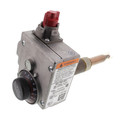
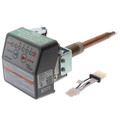
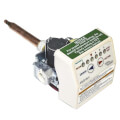
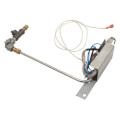
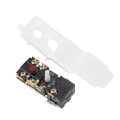
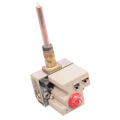
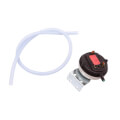

Temperature Controls (Residential) are the thermostats, sensors, and control modules that regulate heating and cooling equipment in single-family homes and small multifamily buildings. Residential temperature controls range from basic mechanical dial thermostats to color touchscreen models such as the Johnson Controls T8580, which adjusts across a 35 to 99°F range. Homeowners and contractors depend on these devices to keep indoor comfort steady while managing energy use across furnaces, heat pumps, boilers, and central air systems. Options span mechanical, digital non-programmable, programmable, and connected smart models, each suited to different budgets and levels of automation. Programmable units offer scheduling formats such as 7-day, 5-1-1, and 5-2 day programs, letting occupants set different temperatures for work days versus weekends. Compatibility drives every selection: voltage, number of stages, and changeover type must match the connected equipment before installation begins. Matching the right residential temperature control to the equipment and household routine reduces callbacks and keeps energy costs predictable for the homeowner.
Subcategories
- Programmable Thermostats: Programmable Thermostats let occupants set different temperature schedules throughout the day and week, commonly in 7-day, 5-1-1, or 5-2 day formats. Contractors install these for homeowners who keep predictable routines and want lower heating and cooling costs without manual adjustments. Models like the Johnson Controls T8580 add a color touchscreen for easier schedule entry across multiple zones. Because they hold a set schedule without network dependency, they suit installations where connected features aren't required.
- Non-Programmable Thermostats: Non-Programmable Thermostats hold a single set temperature until someone manually changes it, without any scheduling function. Renters, small offices, and homeowners who prefer manual control often choose this type for its straightforward operation. Most models use a simple digital display or mechanical dial and wire directly into 24V low-voltage systems. Installation is quick, and there's no programming interface for the occupant to learn.
- Smart / Connected Thermostats: Smart or Connected Thermostats add Wi-Fi connectivity so occupants can adjust settings and view usage remotely from a phone or tablet. Tech-comfortable homeowners and property managers overseeing multiple units favor these for remote access and usage tracking. Many models pair with humidity sensors and multi-stage equipment for finer control, similar to the Johnson Controls T8590 with built-in humidity control. Setup typically requires a home network connection at the time of installation.
- Mechanical / Line Voltage Thermostats: Mechanical and Line Voltage Thermostats control equipment directly at higher voltages, commonly used with electric baseboard heat or unit heaters rather than low-voltage central systems. Electricians and HVAC technicians working on older homes or zoned electric heat select these for direct load switching without a separate control transformer. They operate on simple bimetal or electronic switching without a digital display. Their rugged, mechanical design makes them a durable choice for basement or utility area installs.
Buying Guide
Start with the equipment being controlled. Furnaces, heat pumps, boilers, and air conditioners each have different staging and voltage requirements, and the wrong thermostat simply won't operate the system correctly. Confirm the number of stages (single-stage, two-stage, or multi-stage) and whether the equipment needs a common wire (C-wire) before choosing a model, since many smart thermostats require constant power to run their displays and Wi-Fi radios.
Next, match the control type to the household. Occupants with predictable schedules benefit from programmable models with 7-day or 5-1-1 formats, while households wanting remote access and usage data lean toward connected smart thermostats. Homes with older wiring or no C-wire may need a compatible non-programmable or mechanical option, or an added adapter kit.
When selecting Temperature Controls (Residential) for a specific job, factor in mounting style, display size, and whether humidity control is needed for the space. Bathrooms, basements, and homes in humid climates often benefit from models with built-in humidity monitoring, while standard living areas typically don't need it.
Finally, check voltage and changeover type (heat only, cool only, or auto-changeover) against the connected equipment's nameplate specs before finalizing a purchase. A mismatch here is the most common cause of thermostat callbacks, so confirming compatibility upfront saves a return trip.
Frequently Asked Questions
What's the difference between a programmable and a smart thermostat?
Programmable thermostats hold a preset schedule, such as 7-day or 5-1-1 formats, without needing a network connection. Smart thermostats add Wi-Fi so occupants can adjust settings remotely and often include usage tracking. Both control the same HVAC equipment, but smart models typically need a C-wire for constant power.
Does a residential thermostat need a common wire (C-wire)?
Most smart and Wi-Fi thermostats need a C-wire to power their display and radio continuously. Basic non-programmable and mechanical thermostats generally don't require one since they draw very little power. Older homes without a C-wire may need an adapter or a new wire run before installing a connected model.
How many stages should a residential thermostat support?
The thermostat needs to match the equipment's staging, whether that's single-stage, two-stage, or multi-stage heating and cooling. Installing a single-stage thermostat on multi-stage equipment limits performance and can shorten equipment life. Checking the furnace, heat pump, or boiler's nameplate before purchase confirms the correct stage count.
Can one thermostat control both heating and cooling?
Auto-changeover thermostats switch automatically between heating and cooling modes based on the programmed temperature range. Heat-only or cool-only models handle a single function and suit homes with separate heating and cooling systems or no air conditioning. Confirming changeover type against the connected equipment prevents mismatched operation after installation.
What temperature range do residential thermostats typically support?
Many digital residential thermostats adjust across a wide range, such as 35 to 99°F on the Johnson Controls T8580. Wider ranges accommodate vacation homes, garages, or spaces that need frost protection alongside standard comfort settings. Checking the adjustment range against the space's expected temperature swings helps avoid a control that can't hold set point at the extremes.
