




Filters
SORT
Product Availability –
Product Type –
Diameter (Inches) –
Bore –
Number Of Blades –
Rotation –
Pitch –
Review Score –
 --%3E %3Csvg version='1.1' id='Fill' xmlns='http://www.w3.org/2000/svg' xmlns:xlink='http://www.w3.org/1999/xlink' x='0px' y='0px' viewBox='0 0 100 100' enable-background='new 0 0 100 100' xml:space='preserve'%3E %3Cpath fill='%23F15C02' d='M79.44,0.95H20.56C9.78,0.95,0.95,9.78,0.95,20.56v58.87c0,10.79,8.82,19.61,19.61,19.61h58.87 c10.79,0,19.61-8.83,19.61-19.61V20.56C99.05,9.78,90.22,0.95,79.44,0.95z M65.38,58.24l9.38,29.58L49.69,69.78L24.5,87.82 l9.34-29.6L8.8,39.6l30.73-0.17c0,0,6.98-19.61,10-28.93c0.54,1.36,9.88,29.1,9.88,29.1H91.2L65.38,58.24z'/%3E %3C/svg%3E)
Price Range –
Trane Fan Motors & Blades

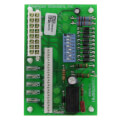

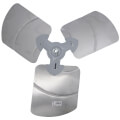
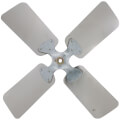
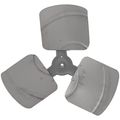
 --%3E %3Csvg version='1.1' id='Half' xmlns='http://www.w3.org/2000/svg' xmlns:xlink='http://www.w3.org/1999/xlink' x='0px' y='0px' viewBox='0 0 100 100' enable-background='new 0 0 100 100' xml:space='preserve'%3E %3Cg%3E %3Cpath fill='%23F15C02' d='M30.05,70.23l3.79-12.01L8.8,39.6l30.73-0.17c0,0,6.98-19.61,10-28.93c0.54,1.36,9.88,29.1,9.88,29.1h1.58 L93.71,7.18c-3.58-3.82-8.66-6.23-14.28-6.23H20.56C9.78,0.95,0.95,9.78,0.95,20.56v58.87c0,5.41,2.22,10.32,5.79,13.88 L30.05,70.23z'/%3E %3C/g%3E %3Cpath fill='%23FBC8B4' d='M93.71,7.18L60.98,39.6H91.2L65.38,58.24l9.38,29.58L49.69,69.78L24.5,87.82l5.55-17.59L6.75,93.32 c3.55,3.54,8.44,5.73,13.82,5.73h58.87c10.79,0,19.61-8.83,19.61-19.61V20.56C99.05,15.4,97.01,10.69,93.71,7.18z'/%3E %3C/svg%3E)
 --%3E %3Csvg version='1.1' id='No-RB' xmlns='http://www.w3.org/2000/svg' xmlns:xlink='http://www.w3.org/1999/xlink' x='0px' y='0px' viewBox='0 0 100 100' enable-background='new 0 0 100 100' xml:space='preserve'%3E %3Cpath fill='%23CECECE' d='M79.44,0.95H20.56C9.78,0.95,0.95,9.78,0.95,20.56v58.87c0,10.79,8.82,19.61,19.61,19.61h58.87 c10.79,0,19.61-8.83,19.61-19.61V20.56C99.05,9.78,90.22,0.95,79.44,0.95z M65.38,58.24l9.38,29.58L49.69,69.78L24.5,87.82 l9.34-29.6L8.8,39.6l30.73-0.17c0,0,6.98-19.61,10-28.93c0.54,1.36,9.88,29.1,9.88,29.1H91.2L65.38,58.24z'/%3E %3C/svg%3E)
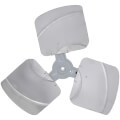
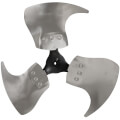
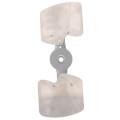

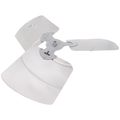
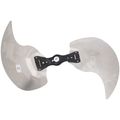
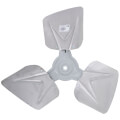
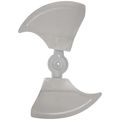
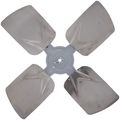
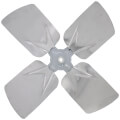

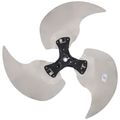
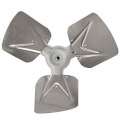
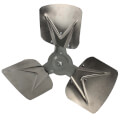
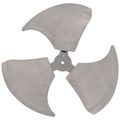
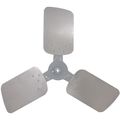
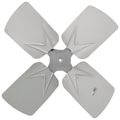
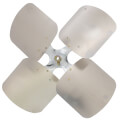
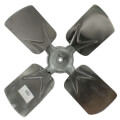
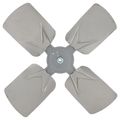
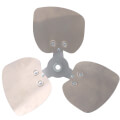
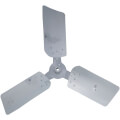
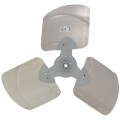
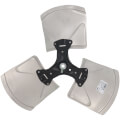
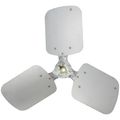
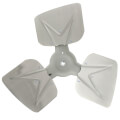
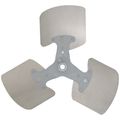
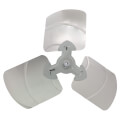
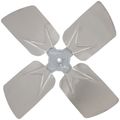
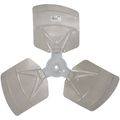
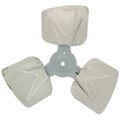

Trane Fan Motors & Blades are the direct-fit replacement components that keep Trane condensing units, air handlers, and package units moving air after a motor bearing wears out or a blade cracks from age and vibration. The category covers condenser fan motors that pull air across an outdoor unit's coil, indoor blower motors that push conditioned air through ductwork, and the propeller-style and centrifugal blades each motor spins. A failing condenser fan motor often shows up first as a system that runs warm with elevated head pressure, since the outdoor coil can no longer reject heat once airflow drops off. Matching motor rotation, shaft diameter, and mounting pattern to the original part keeps a swap a straightforward bolt-in job instead of a bracket-fabrication project. Stocking the right motor and blade combination lets a technician close out a no-cool service call on the first visit instead of waiting on a special order from the manufacturer.
Subcategories
- Condenser Fan Motors: Condenser fan motors mount on top of or inside an outdoor unit and pull ambient air across the condenser coil to reject heat from the refrigerant. A failing unit typically runs louder than normal, spins intermittently, or seizes entirely, which drives head pressure up and can trip a high-pressure safety switch. Confirming shaft length, mounting bolt pattern, and rotation direction against the original motor avoids a return trip for the wrong part.
- Indoor Blower Motors: Indoor blower motors move conditioned air from the air handler or furnace through the supply ductwork, and they run far more hours per season than a condenser fan motor does. A worn blower motor often presents as weak airflow at the registers, a burning smell, or a system that short cycles on a limit switch. Correct wheel and housing fit matter as much as the motor itself, since a mismatched combination can throw the airflow balance off even with a technically compatible motor.
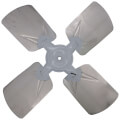
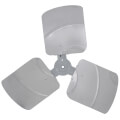
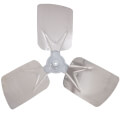
- Fan Blades: Fan blades attached to condenser fan motors take a steady beating from outdoor exposure, debris, and vibration, and a cracked or unbalanced blade shows up as excess noise or a motor that wears out prematurely from the added vibration load. Pitch, diameter, and bore size all need to match the replacement motor for the fan to move the expected volume of air. Swapping a blade at the same time as a motor is common practice, since a bent or fatigued blade is a frequent contributor to motor failure.
- Motor Mounting Hardware & Accessories: Motor mounting hardware and accessories cover the brackets, grommets, and mounting rings that isolate a motor from the cabinet and reduce vibration transfer. Worn or missing isolation hardware lets a motor run noisier than it should even when the motor itself is in good condition. Keeping a few common bracket and grommet kits on the truck saves a trip back to the supply house when an older motor's original hardware is too corroded to reuse.
Buying Guide
Start a Trane fan motor replacement by pulling the original part's nameplate rather than guessing from the unit's model number alone, since the same equipment line can ship with more than one motor depending on production date. Rotation direction matters as much as horsepower class: a motor that spins the wrong way will not move air correctly even if every other spec lines up, so confirm clockwise or counterclockwise rotation as viewed from the shaft end before ordering. Shaft diameter and usable shaft length determine whether the existing blade or blower wheel will reinstall cleanly, and a shaft that is too short can leave a wheel or blade loose on the motor. For condenser applications, check that the replacement motor's mounting pattern, whether it bolts through the motor base or hangs from a resilient mount, matches the cabinet before assuming a universal motor will drop in. Trane Fan Motors & Blades sold as direct-fit parts remove most of this guesswork, since they are built to the same footprint as the original equipment. On blower-side jobs, confirm the wheel and housing combination is rated for the motor's airflow output, since an oversized or undersized wheel can throw off both airflow and amp draw. Keeping the failed part on hand for comparison, rather than working from memory, is the fastest way to avoid a second trip for the correct replacement.
Frequently Asked Questions
How do I know if a condenser fan motor or the blade is the actual problem?
A motor that hums but does not spin, or that spins slowly when nudged by hand, usually points to a bad motor rather than the blade. A cracked, chipped, or visibly bent blade, on the other hand, can cause vibration and noise even when the motor itself still tests fine electrically, so a visual check of the blade is worth doing before assuming the motor is at fault.
Does fan blade rotation direction matter when replacing a condenser motor?
Yes. Motors are built to spin in a specific direction, and the blade is pitched to move air correctly only in that direction. Installing a motor that spins the wrong way, or reusing a blade pitched for the opposite rotation, will move little or no air even though the motor runs.
Can a universal replacement motor work in place of a Trane-specific one?
Sometimes, but shaft length, mounting pattern, and rotation direction all need to be matched by hand rather than assumed. A direct-fit motor built to the original equipment's specs removes that guesswork and typically installs without modifying brackets or wiring.
What causes a blower motor to run but move little air?
A slipping or worn blower wheel, a mismatched wheel size, or a failing capacitor on a PSC motor can all cause weak airflow even when the motor itself is spinning. Checking wheel condition and confirming the correct wheel is installed on the replacement motor rules out the most common causes.
How often do condenser fan motors typically need replacement?
There is no fixed replacement interval, since outdoor exposure, bearing quality, and run hours all affect motor life differently across installations. A motor that runs hot, hums without turning, or draws noticeably higher amperage than a healthy comparable unit is a stronger signal to replace it than age alone.
