




Filters
SORT
Product Availability –
Brand –
Size –
Review Score –
 --%3E %3Csvg version='1.1' id='Fill' xmlns='http://www.w3.org/2000/svg' xmlns:xlink='http://www.w3.org/1999/xlink' x='0px' y='0px' viewBox='0 0 100 100' enable-background='new 0 0 100 100' xml:space='preserve'%3E %3Cpath fill='%23F15C02' d='M79.44,0.95H20.56C9.78,0.95,0.95,9.78,0.95,20.56v58.87c0,10.79,8.82,19.61,19.61,19.61h58.87 c10.79,0,19.61-8.83,19.61-19.61V20.56C99.05,9.78,90.22,0.95,79.44,0.95z M65.38,58.24l9.38,29.58L49.69,69.78L24.5,87.82 l9.34-29.6L8.8,39.6l30.73-0.17c0,0,6.98-19.61,10-28.93c0.54,1.36,9.88,29.1,9.88,29.1H91.2L65.38,58.24z'/%3E %3C/svg%3E)
 --%3E %3Csvg version='1.1' id='With-RB' xmlns='http://www.w3.org/2000/svg' xmlns:xlink='http://www.w3.org/1999/xlink' x='0px' y='0px' viewBox='0 0 100 100' enable-background='new 0 0 100 100' xml:space='preserve'%3E %3Cpath fill='%23FBC8B4' d='M79.44,0.95H20.56C9.78,0.95,0.95,9.78,0.95,20.56v58.87c0,10.79,8.82,19.61,19.61,19.61h58.87 c10.79,0,19.61-8.83,19.61-19.61V20.56C99.05,9.78,90.22,0.95,79.44,0.95z M65.38,58.24l9.38,29.58L49.69,69.78L24.5,87.82 l9.34-29.6L8.8,39.6l30.73-0.17c0,0,6.98-19.61,10-28.93c0.54,1.36,9.88,29.1,9.88,29.1H91.2L65.38,58.24z'/%3E %3C/svg%3E)
Price Range –
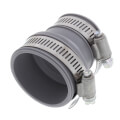
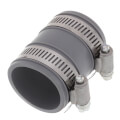
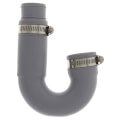
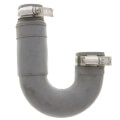
Trap & Drain Reducers

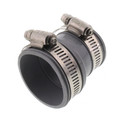

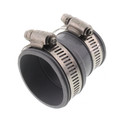
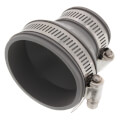
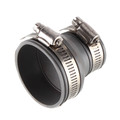

 --%3E %3Csvg version='1.1' id='Half' xmlns='http://www.w3.org/2000/svg' xmlns:xlink='http://www.w3.org/1999/xlink' x='0px' y='0px' viewBox='0 0 100 100' enable-background='new 0 0 100 100' xml:space='preserve'%3E %3Cg%3E %3Cpath fill='%23F15C02' d='M30.05,70.23l3.79-12.01L8.8,39.6l30.73-0.17c0,0,6.98-19.61,10-28.93c0.54,1.36,9.88,29.1,9.88,29.1h1.58 L93.71,7.18c-3.58-3.82-8.66-6.23-14.28-6.23H20.56C9.78,0.95,0.95,9.78,0.95,20.56v58.87c0,5.41,2.22,10.32,5.79,13.88 L30.05,70.23z'/%3E %3C/g%3E %3Cpath fill='%23FBC8B4' d='M93.71,7.18L60.98,39.6H91.2L65.38,58.24l9.38,29.58L49.69,69.78L24.5,87.82l5.55-17.59L6.75,93.32 c3.55,3.54,8.44,5.73,13.82,5.73h58.87c10.79,0,19.61-8.83,19.61-19.61V20.56C99.05,15.4,97.01,10.69,93.71,7.18z'/%3E %3C/svg%3E)
 --%3E %3Csvg version='1.1' id='No-RB' xmlns='http://www.w3.org/2000/svg' xmlns:xlink='http://www.w3.org/1999/xlink' x='0px' y='0px' viewBox='0 0 100 100' enable-background='new 0 0 100 100' xml:space='preserve'%3E %3Cpath fill='%23CECECE' d='M79.44,0.95H20.56C9.78,0.95,0.95,9.78,0.95,20.56v58.87c0,10.79,8.82,19.61,19.61,19.61h58.87 c10.79,0,19.61-8.83,19.61-19.61V20.56C99.05,9.78,90.22,0.95,79.44,0.95z M65.38,58.24l9.38,29.58L49.69,69.78L24.5,87.82 l9.34-29.6L8.8,39.6l30.73-0.17c0,0,6.98-19.61,10-28.93c0.54,1.36,9.88,29.1,9.88,29.1H91.2L65.38,58.24z'/%3E %3C/svg%3E)
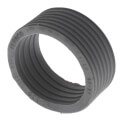


Trap & Drain Reducers are plastic DWV fittings that step down pipe diameter between a fixture trap and the drain line it connects to, most often used where a 1-1/2 inch trap arm needs to tie into 1-1/4 inch branch drain piping or the reverse. Most reducers in this category are molded from ABS, sized in 1-1/4 inch, 1-1/2 inch, and 2 inch diameters, and some combo models handle two different sizes in a single fitting rather than requiring a separate coupling. Plumbers reach for a reducer instead of a straight coupling whenever the trap and the drain stub-out were installed to different code-minimum sizes, which happens often on older remodels or when swapping fixture types. Choosing the correct reducer keeps the drain line watertight and properly sloped without forcing a mismatched trap arm into an oversized or undersized opening.
Subcategories
- Straight ABS Reducing Adapters: Straight reducing adapters step a drain line down or up between two adjacent sizes, most commonly 1-1/2 inch to 1-1/4 inch, in a single molded ABS fitting. Plumbers use them when the trap arm and the drain stub-out were sized differently, avoiding the need for a bushing or a second coupling. Solvent weld hubs on both ends create a permanent joint once primed and cemented. The style works best on new construction or full drain replacements where the fitting will not need to come apart again.
- Slip-Joint Trap Adapters: Slip-joint trap adapters use a polyethylene washer and a threaded nut to create a watertight seal without solvent cement, letting a plumber disconnect the trap for cleaning or replacement without cutting the drain line. The slip-joint style is the most common fitting under a kitchen or bathroom sink, connecting a tubular trap to rigid ABS or PVC drain piping. Common sizes include 1-1/4 inch and 1-1/2 inch to match standard trap arm diameters. A slip nut can be loosened by hand or with pliers, so no solvent cement or primer is needed for routine service.
- Threaded (MPT/FPT) Reducing Adapters: Threaded reducing adapters convert between male pipe thread and female pipe thread while also stepping down pipe diameter, useful when connecting a trap or drain component that uses a different thread standard than the rest of the run. Plumbers use these when tying a fixture with a threaded outlet, such as certain tray strainers or swivel connections, into standard ABS or PVC drain piping. Reducing bushings in this style handle transitions like 2 inch pipe stepping down to a 1-1/2 inch threaded connection. Matching thread type before ordering avoids a fitting that turns freely without sealing.
Buying Guide
Measure both ends before ordering. Note the trap arm size, the drain stub-out size, and whether either end needs a threaded connection rather than a solvent weld hub, since a reducer that fits one end perfectly but not the other still leaves a leak point. The most common mismatch is a 1-1/2 inch trap tying into 1-1/4 inch branch drain piping, which is exactly what a straight ABS reducer is built to solve.
Material matters as much as size. ABS and PVC are not solvent compatible with each other, so a reducer molded from one material needs a rubber transition coupling, not solvent cement, when tying into drain piping made from the other. Trap & Drain Reducers sold for ABS systems should stay on ABS drain lines throughout the connection.
Connection style depends on whether the joint needs to come apart again. A slip-joint adapter with a washer and threaded nut makes sense under a sink where routine cleanout or fixture replacement is likely, while a solvent weld reducer suits a permanent connection buried in a wall or under a slab where disassembly isn't expected. Threaded reducing adapters cover the remaining case, where one end of the connection uses a threaded fixture outlet instead of a standard hub.
Local code should confirm minimum trap arm and drain sizing before finalizing a reducer choice, since some jurisdictions restrict how far a drain size can step down relative to the fixture it serves.
Frequently Asked Questions
What size reducer connects a 1-1/2 inch trap to 1-1/4 inch drain piping?
A straight ABS reducing adapter sized for 1-1/2 inch by 1-1/4 inch handles this exact transition in a single fitting. Solvent weld hubs on both ends create a permanent joint once primed and cemented. Combo reducer fittings built for this size pairing are common because it's one of the most frequent mismatches between trap arms and branch drain lines.
Can ABS and PVC trap and drain fittings connect directly?
ABS and PVC are not solvent compatible with each other, so joining them directly with solvent cement will not create a sealed connection. A rubber transition coupling is needed anywhere an ABS reducer meets PVC drain piping or the reverse. Keeping a reducer on the same material as the drain line it ties into avoids this issue entirely.
What's the difference between a slip-joint and a solvent weld trap adapter?
A slip-joint adapter uses a polyethylene washer and a threaded nut to create a seal that can be loosened by hand for cleaning or fixture replacement. A solvent weld adapter uses cemented hubs for a permanent connection that won't come apart again. Slip-joint adapters suit accessible locations under a sink, while solvent weld adapters suit connections buried behind a wall or under a slab.
When does a threaded reducing adapter make sense instead of a solvent weld reducer?
A threaded reducing adapter makes sense whenever one end of the connection uses a fixture with a threaded outlet, such as certain tray strainers or swivel-style connections, rather than a standard solvent weld hub. It steps down pipe diameter and converts thread type in a single fitting. Matching male and female thread designation before ordering keeps the joint from turning without sealing.
Does local plumbing code limit how much a drain reducer can step down in size?
Some jurisdictions restrict how far a drain line can be reduced relative to the fixture it serves, so checking local code before finalizing a reducer size matters on any DWV installation. Trap arm and drain sizing minimums vary by fixture type and by jurisdiction. Confirming code requirements before rough-in avoids having to replace a reducer after inspection.
