




Filters
SORT
Product Availability –
Category –
Application –
Reset Type –
Size –
Review Score –
 --%3E %3Csvg version='1.1' id='Fill' xmlns='http://www.w3.org/2000/svg' xmlns:xlink='http://www.w3.org/1999/xlink' x='0px' y='0px' viewBox='0 0 100 100' enable-background='new 0 0 100 100' xml:space='preserve'%3E %3Cpath fill='%23F15C02' d='M79.44,0.95H20.56C9.78,0.95,0.95,9.78,0.95,20.56v58.87c0,10.79,8.82,19.61,19.61,19.61h58.87 c10.79,0,19.61-8.83,19.61-19.61V20.56C99.05,9.78,90.22,0.95,79.44,0.95z M65.38,58.24l9.38,29.58L49.69,69.78L24.5,87.82 l9.34-29.6L8.8,39.6l30.73-0.17c0,0,6.98-19.61,10-28.93c0.54,1.36,9.88,29.1,9.88,29.1H91.2L65.38,58.24z'/%3E %3C/svg%3E)
 --%3E %3Csvg version='1.1' id='With-RB' xmlns='http://www.w3.org/2000/svg' xmlns:xlink='http://www.w3.org/1999/xlink' x='0px' y='0px' viewBox='0 0 100 100' enable-background='new 0 0 100 100' xml:space='preserve'%3E %3Cpath fill='%23FBC8B4' d='M79.44,0.95H20.56C9.78,0.95,0.95,9.78,0.95,20.56v58.87c0,10.79,8.82,19.61,19.61,19.61h58.87 c10.79,0,19.61-8.83,19.61-19.61V20.56C99.05,9.78,90.22,0.95,79.44,0.95z M65.38,58.24l9.38,29.58L49.69,69.78L24.5,87.82 l9.34-29.6L8.8,39.6l30.73-0.17c0,0,6.98-19.61,10-28.93c0.54,1.36,9.88,29.1,9.88,29.1H91.2L65.38,58.24z'/%3E %3C/svg%3E)
Price Range –
Water Feeders


 --%3E %3Csvg version='1.1' id='No-RB' xmlns='http://www.w3.org/2000/svg' xmlns:xlink='http://www.w3.org/1999/xlink' x='0px' y='0px' viewBox='0 0 100 100' enable-background='new 0 0 100 100' xml:space='preserve'%3E %3Cpath fill='%23CECECE' d='M79.44,0.95H20.56C9.78,0.95,0.95,9.78,0.95,20.56v58.87c0,10.79,8.82,19.61,19.61,19.61h58.87 c10.79,0,19.61-8.83,19.61-19.61V20.56C99.05,9.78,90.22,0.95,79.44,0.95z M65.38,58.24l9.38,29.58L49.69,69.78L24.5,87.82 l9.34-29.6L8.8,39.6l30.73-0.17c0,0,6.98-19.61,10-28.93c0.54,1.36,9.88,29.1,9.88,29.1H91.2L65.38,58.24z'/%3E %3C/svg%3E)
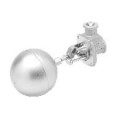
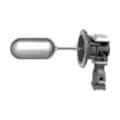
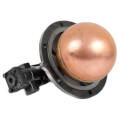
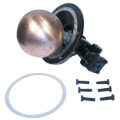

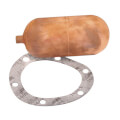
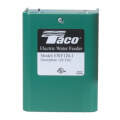

Water feeders are automatic valves that maintain proper water level and pressure in a hot water boiler system by adding makeup water from the building's supply line whenever system pressure drops below a set point. A boiler loses small amounts of water over time through minor leaks, air venting, and normal system maintenance, and a water feeder replaces that lost water automatically so the boiler doesn't run low and risk damage from operating without enough water in the system. Many water feeders combine the automatic feed function with a low water cutoff in a single device, shutting down the burner if water level drops below a safe point even as the feeder attempts to add makeup water. Feeders mount on the boiler's return line and connect to the building's cold water supply through a shutoff valve and typically a strainer to keep debris out of the feed mechanism.
Subcategories
- Automatic Water Feeders: Automatic water feeders sense boiler pressure and open a valve to add makeup water whenever pressure drops below the feeder's set point, closing again once pressure returns to normal. These feeders operate without any action from a technician or homeowner under normal conditions, which is why they're standard equipment on most residential and light commercial hot water boilers.
- Combination Feeders with Low Water Cutoff: Combination units pair the automatic feed function with a low water cutoff switch that shuts down the burner if water level falls below a safe threshold, adding a safety function beyond simple makeup water feed. This combined design is common on residential boiler installations since it covers both makeup water and a basic safety shutoff in one device.
- Manual Water Feeders: Manual feeders require a technician or building operator to open a valve directly to add makeup water rather than sensing pressure automatically, giving direct control over when water enters the system. These feeders suit installations where an operator prefers to manage water addition manually rather than relying on an automatic sensing mechanism.
- Feeder Replacement Parts: Replacement parts for water feeders include internal valve mechanisms, strainers, and gauge assemblies that wear out or clog with mineral buildup and debris from the water supply over time. Replacing worn internal parts on an otherwise functional feeder body is often a more straightforward repair than replacing the entire unit.
Buying Guide
Choosing a water feeder starts with deciding whether an automatic feeder, a combination feeder with a built-in low water cutoff, or a manual feeder best fits the boiler installation and any local code requirements that apply to low water cutoff protection. Many jurisdictions require a low water cutoff on a boiler installation, which makes a combination feeder a common default choice for residential systems even where a separate low water cutoff device is also installed elsewhere in the system.
Pipe size and connection type need to match the existing boiler return line and the building's cold water supply line, with most residential feeders sized for smaller pipe diameters common in single-family and light commercial boiler installations. Pressure range matters as well, since a feeder's set point needs to align with the boiler system's expected operating pressure so the feeder adds water at the correct threshold rather than too early or too late.
Strainer inclusion protects the feeder's internal valve mechanism from debris in the water supply, and a feeder without a built-in strainer may need one installed separately on the supply line ahead of the feeder. Because a malfunctioning water feeder can either starve a boiler of makeup water or add water excessively, periodic inspection and replacement of worn internal parts helps keep the boiler operating at a safe and stable water level over the long term.
Frequently Asked Questions
What does a water feeder do on a hot water boiler system?
A water feeder senses when boiler pressure drops below its set point and opens a valve to add makeup water from the building's cold water supply, replacing water lost through minor leaks or normal system maintenance.
What's the difference between a standard water feeder and a combination feeder?
A combination feeder adds a low water cutoff function that shuts down the burner if water level falls below a safe threshold, while a standard automatic feeder only handles makeup water without that safety shutoff function.
Is a low water cutoff required on a residential boiler installation?
Many local codes require a low water cutoff on a boiler installation, which is why a combination feeder with a built-in cutoff is a common choice for residential systems, though local code should be checked for the specific requirement that applies.
Why would a water feeder need a strainer?
A strainer protects the feeder's internal valve mechanism from debris and mineral buildup carried in the water supply, and a feeder without a built-in strainer may need one installed separately on the supply line.
What are signs that a water feeder needs replacement parts?
A feeder that adds water too frequently, fails to add water when needed, or shows visible mineral buildup around the valve mechanism typically needs internal parts replaced or, in some cases, full unit replacement.
