


'/%3E%3C/svg%3E)
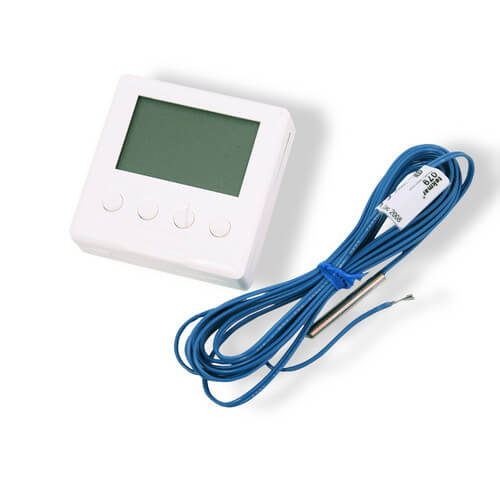
Setpoint 511s, Single Temperature Programmable with Sensor
 --%3E %3Csvg version='1.1' id='Fill' xmlns='http://www.w3.org/2000/svg' xmlns:xlink='http://www.w3.org/1999/xlink' x='0px' y='0px' viewBox='0 0 100 100' enable-background='new 0 0 100 100' xml:space='preserve'%3E %3Cpath fill='%23F15C02' d='M79.44,0.95H20.56C9.78,0.95,0.95,9.78,0.95,20.56v58.87c0,10.79,8.82,19.61,19.61,19.61h58.87 c10.79,0,19.61-8.83,19.61-19.61V20.56C99.05,9.78,90.22,0.95,79.44,0.95z M65.38,58.24l9.38,29.58L49.69,69.78L24.5,87.82 l9.34-29.6L8.8,39.6l30.73-0.17c0,0,6.98-19.61,10-28.93c0.54,1.36,9.88,29.1,9.88,29.1H91.2L65.38,58.24z'/%3E %3C/svg%3E)
 --%3E %3Csvg version='1.1' id='Half' xmlns='http://www.w3.org/2000/svg' xmlns:xlink='http://www.w3.org/1999/xlink' x='0px' y='0px' viewBox='0 0 100 100' enable-background='new 0 0 100 100' xml:space='preserve'%3E %3Cg%3E %3Cpath fill='%23F15C02' d='M30.05,70.23l3.79-12.01L8.8,39.6l30.73-0.17c0,0,6.98-19.61,10-28.93c0.54,1.36,9.88,29.1,9.88,29.1h1.58 L93.71,7.18c-3.58-3.82-8.66-6.23-14.28-6.23H20.56C9.78,0.95,0.95,9.78,0.95,20.56v58.87c0,5.41,2.22,10.32,5.79,13.88 L30.05,70.23z'/%3E %3C/g%3E %3Cpath fill='%23FBC8B4' d='M93.71,7.18L60.98,39.6H91.2L65.38,58.24l9.38,29.58L49.69,69.78L24.5,87.82l5.55-17.59L6.75,93.32 c3.55,3.54,8.44,5.73,13.82,5.73h58.87c10.79,0,19.61-8.83,19.61-19.61V20.56C99.05,15.4,97.01,10.69,93.71,7.18z'/%3E %3C/svg%3E)
' fill='%23F15C02' d='M49 0C21.938 0 0 21.938 0 49s21.938 49 49 49 49-21.938 49-49S76.062 0 49 0m0 82.709a7.54 7.54 0 1 1 0-15.08 7.54 7.54 0 0 1 0 15.08m7.54-28.412a7.541 7.541 0 0 1-15.08 0V22.831a7.54 7.54 0 0 1 15.08 0v31.466z'/%3E%3C/svg%3E)
MANUALS (2)
 --%3E %3Csvg version='1.1' id='With-RB' xmlns='http://www.w3.org/2000/svg' xmlns:xlink='http://www.w3.org/1999/xlink' x='0px' y='0px' viewBox='0 0 100 100' enable-background='new 0 0 100 100' xml:space='preserve'%3E %3Cpath fill='%23FBC8B4' d='M79.44,0.95H20.56C9.78,0.95,0.95,9.78,0.95,20.56v58.87c0,10.79,8.82,19.61,19.61,19.61h58.87 c10.79,0,19.61-8.83,19.61-19.61V20.56C99.05,9.78,90.22,0.95,79.44,0.95z M65.38,58.24l9.38,29.58L49.69,69.78L24.5,87.82 l9.34-29.6L8.8,39.6l30.73-0.17c0,0,6.98-19.61,10-28.93c0.54,1.36,9.88,29.1,9.88,29.1H91.2L65.38,58.24z'/%3E %3C/svg%3E)

Product Highlights


Description
- One-stage heat for either floor temperature or supplemental heat application
- Senses air and/or floor with minimum and maximum limits as needed
- 7 day, 24 hour programming capability
- Two to four schedules per day
- Easy to read backlit display
Specs
| Application: | Heat Only |
|---|---|
| Stages: | 1 Heat |
| Programmability: | Programmable 7 Day |
| User Interface: | Push Button |
| Mount: | Vertical Horizontal |
| Options: | Comes with Sensor |
| Power Method: | Hardwired |
| Voltage: | Low voltage |
| Color: | White |
| Height: | 2-7/8" |
| Width: | 2-7/8" |
| Depth (Inches): | 13/16" |
| Weight (lbs): | .46 lbs |
| Power Supply: | 24 VAC +/-10% 50/60 Hz 1.5 VA |
| Ambient Conditions: | <90% RH non-condensing Indoor Use Only 32 to 122°F |
| Control: | Microprocessor PI Control |
| Enclosure Type: | J |
| Floor Sensor Compatible: | Yes |
| Sensors: | NTC Thermistor, 10 k ohm @ 77°F |
| Relays: | 24 V (ac) 2 A-Latching |
| Approvals: | CSA C US FCC ICES |
| Slab/Floor Setting Range: | 34 to 122°F |
| Humidity Control: | No |
| Wireless: | No |


Questions?
Product Reviews
Room and slab sensing

wirsbo 511s
A Perfect Thermostat for Radiant Floors
Setpoint 511
Product Q&A
13 QuestionsQ: How and where would the floor sensor be installed for a radiant floor system that is installed underneath exsiting wood floors by means of aluminum radiant panels?
Asked by Jan 14 years ago
Add your answer
Ideally the sensor should be as close to the floor surf ace as possible. From below, a slot could possibly be routed/ cut into the subfloor (below wood floor) to accommodate the sensor. I have seen a number of installs that the installers have ran a tube for the sensor and wire in the event the sensor fails. I would also insulate under the sensor to attempt to make sure the reading is closer to the floor temp compared to the basement temp. ~Bill
I installed mine in a small hole under the tiles in the center of the floor above a joist so it is far away from a pex line. I think if the tile is already down, then carefully drill a shallow hole half way between the pex lines, maybe drill into the corner where the floor joist and the plywood meet. You don't want the heated air from the heat in the cavity under the floor to affect the sensor.
I installed this thermostat with a "staple up" under floor system with aluminum plates. I have tile floors and installed the temp sensor in between the tiles in one of the grout lines, then grouted over it. The sensor works fine and I get accurate floor readings of the surface temp.
I also used this thermastat with radiant under my hardwood floors. After moving my floor sensor here and there I came to the conclusion that the floor sensor is best used on floors with large thermal mass like concreat slabs. I had best resalts using the built in air sensor only. Hope this helps.
We actually installed ours UNDER the floor in between two radiant panels. It is probably not the correct placement but it works fine.
I would install it between the flooring and the subfloor. The goal is to limit the temperature of the flooring material itself. The space under the subfloor where the radiant panels are located will run significantly hotter. Brian
Good question. Not really sure. I guess you could drill it into the floor between two of the plates???
Q: Will the 511S work in place of the Radiant Technologies Thermostat I currently have with a floor sensor? Can I use the existing floor sensor or do I need to use the one with the 511S?
Asked by Mike 14 years ago
Add your answer
Verified Reply- PexSupply StaffThis thermostat should be able to replace your existing thermostat, but it is unlikely that the same floor sensor would work with both of them.
Q: what is meant by hardwired. I have 2 wires from my control panel for each of 3 zones with their own thermostats.
Asked by chicago 15 years ago
Add your answer
Verified Reply- PexSupply StaffYou must send power to this unit (i.e. it cannot be battery-powered).
Q: I have 3 zone heating only with a hot water heater in the garage. 1 zone is the garage, 1 zone is the laundry area and bath/shower with a ceramic tile floor, the 3rd is my office above the garage with in floor heat in a wood truss floor and engineered wood flooring. I have 3 individual thermostats. Can I use 1 of these (total 3) programmables to control each zone?
Asked by chicago 15 years ago
Add your answer
Verified Reply- PexSupply StaffYes, you will need a separate thermostat for each zone. This is a low-voltage, programmable unit that is compatible with a slab sensor (included).
Q: Is this the same item as a Tekmar 511 (510 stat + 079 sensor)??
Asked by 15 years ago
Add your answer
Verified Reply- PexSupply StaffYes, they are more or less the exact same thing. Tekmar manufactures the Uponor models as well.
These two items are very similar, but they are not exactly alike. The Setpoint 511 is priced higher and has more features.
I finally received an answer from Tekmar after I asked this question here: "Essentially they are the same stat with minor differences: The Uponor/Wirsbo 511 does not have a preprogrammed schedule, only has one AUX sensor input, and no remote temp monitoring setting" So, contrary to the other answer, it appears the Tekmar 510 has more features, and is less expensive.
Q: I have this item even with the manuel I find it difficult to set is there s simpler manuel for this control The one I have is written for the people who install them. confusing Thanks Jan
Asked by 15 years ago
Add your answer
Verified Reply- PexSupply StaffUnfortunately, Uponor only offers the manual that is included with the thermostat.
Q: I've heard of people using a 3/4" PVC pipe into the slab, filling it with oil (olive oil, salad oil, or the like), and feeding the sensor into that. That way if the unit fails, it may be replaced. The oil helps accurately transfer slab temp and not air temp in the tube. Would this sensor work with such a setup? (i.e. is the sensor OK in liquid?)
Asked by Slabbie 15 years ago
Add your answer
Verified Reply- PexSupply StaffWe would recommend that you use a Tekmar 072 (or 073) sensor. These have been designed to function when submerged in liquid.
Q: Will the sensor fit inside of 1/2" hePex tubing? If not what is the minimum size tubing appropriate for installation within the slab? Also, may it be threaded through the tubing if there is a 90 degree elbow involved?
Asked by Bear 15 years ago
Add your answer
Verified Reply- PexSupply StaffThese sensors are designed to be placed in the concrete slab, not directly in the tubing.
Q: Can this sensor be mounted on top of the concrete slab, I would like to use it a a stand alone for floor temp. only....Thanks
Asked by armand 15 years ago
Add your answer
Verified Reply- PexSupply StaffYou can, but you would get a more accurate reading if you install the sensor in the floor.
Q: Is this sensor and control unit ment for electric floor heating elements too?
Asked by Doug 16 years ago
Add your answer
Verified Reply- PexSupply StaffNo, they are not. This is a low voltage unit.
You can if you use a power relay. The 501 triggers the relay and the relay trigers the electric elements. You still need 24 volts to power the 501 and the power relay would have to have a 24 volt coil with contacts properly rated for the load.