



Filters
SORT
Product Availability –
Angle –
Diameter (Inches) –
Review Score –
 --%3E %3Csvg version='1.1' id='Fill' xmlns='http://www.w3.org/2000/svg' xmlns:xlink='http://www.w3.org/1999/xlink' x='0px' y='0px' viewBox='0 0 100 100' enable-background='new 0 0 100 100' xml:space='preserve'%3E %3Cpath fill='%23F15C02' d='M79.44,0.95H20.56C9.78,0.95,0.95,9.78,0.95,20.56v58.87c0,10.79,8.82,19.61,19.61,19.61h58.87 c10.79,0,19.61-8.83,19.61-19.61V20.56C99.05,9.78,90.22,0.95,79.44,0.95z M65.38,58.24l9.38,29.58L49.69,69.78L24.5,87.82 l9.34-29.6L8.8,39.6l30.73-0.17c0,0,6.98-19.61,10-28.93c0.54,1.36,9.88,29.1,9.88,29.1H91.2L65.38,58.24z'/%3E %3C/svg%3E)
 --%3E %3Csvg version='1.1' id='With-RB' xmlns='http://www.w3.org/2000/svg' xmlns:xlink='http://www.w3.org/1999/xlink' x='0px' y='0px' viewBox='0 0 100 100' enable-background='new 0 0 100 100' xml:space='preserve'%3E %3Cpath fill='%23FBC8B4' d='M79.44,0.95H20.56C9.78,0.95,0.95,9.78,0.95,20.56v58.87c0,10.79,8.82,19.61,19.61,19.61h58.87 c10.79,0,19.61-8.83,19.61-19.61V20.56C99.05,9.78,90.22,0.95,79.44,0.95z M65.38,58.24l9.38,29.58L49.69,69.78L24.5,87.82 l9.34-29.6L8.8,39.6l30.73-0.17c0,0,6.98-19.61,10-28.93c0.54,1.36,9.88,29.1,9.88,29.1H91.2L65.38,58.24z'/%3E %3C/svg%3E)
Price Range –
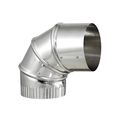
Aluminum Duct Elbows

 --%3E %3Csvg version='1.1' id='Half' xmlns='http://www.w3.org/2000/svg' xmlns:xlink='http://www.w3.org/1999/xlink' x='0px' y='0px' viewBox='0 0 100 100' enable-background='new 0 0 100 100' xml:space='preserve'%3E %3Cg%3E %3Cpath fill='%23F15C02' d='M30.05,70.23l3.79-12.01L8.8,39.6l30.73-0.17c0,0,6.98-19.61,10-28.93c0.54,1.36,9.88,29.1,9.88,29.1h1.58 L93.71,7.18c-3.58-3.82-8.66-6.23-14.28-6.23H20.56C9.78,0.95,0.95,9.78,0.95,20.56v58.87c0,5.41,2.22,10.32,5.79,13.88 L30.05,70.23z'/%3E %3C/g%3E %3Cpath fill='%23FBC8B4' d='M93.71,7.18L60.98,39.6H91.2L65.38,58.24l9.38,29.58L49.69,69.78L24.5,87.82l5.55-17.59L6.75,93.32 c3.55,3.54,8.44,5.73,13.82,5.73h58.87c10.79,0,19.61-8.83,19.61-19.61V20.56C99.05,15.4,97.01,10.69,93.71,7.18z'/%3E %3C/svg%3E)



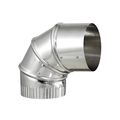


Aluminum Duct Elbows are ductwork fittings used to change the direction of round duct runs in HVAC supply, return, and ventilation systems. Lambro Industries makes adjustable versions in sizes from 3 inches to 8 inches in diameter, with joints that pivot from 22.5 degrees up to a full 90-degree turn. Adjustable angles let an installer set the exact bend needed on site instead of stocking a separate fixed-angle elbow for every duct layout. Aluminum construction resists corrosion better than untreated steel in damp attics, crawlspaces, and bathroom exhaust runs, which is where these fittings show up most often on residential and light commercial jobs. Elbows connect to rigid or semi-rigid aluminum duct sections and typically include a crimped end for a secure slip-fit connection. Matching elbow diameter to the duct run keeps airflow consistent through directional changes, since an undersized elbow chokes airflow at every bend and forces a blower to work harder than the system was designed for.
Subcategories
- 3-Inch Adjustable Elbows: Three-inch adjustable aluminum elbows handle the smallest branch runs on a job, most often bathroom exhaust fans and small dryer vents. Lambro's 3-inch model adjusts from 22.5 degrees to a full 90-degree bend, so a crew sets the angle after the fitting is already run through a joist bay or wall cavity. Point-source exhaust runs are the main use case at this diameter rather than trunk lines. A crimped end lets the elbow slip directly into matching 3-inch round duct.
- 4-Inch Adjustable Elbows: Four-inch adjustable aluminum elbows step up to slightly larger branch runs, covering many dryer vent and single-room ventilation applications. Lambro's 4-inch model shares the same 22.5-to-90-degree adjustable range as the smaller size, giving crews the same on-site flexibility at a more common duct diameter. Kitchen and bathroom exhaust runs frequently use this size. A crimped end matches standard 4-inch round duct sections for a direct connection.
- 8-Inch Adjustable Elbows: Eight-inch adjustable aluminum elbows are built for larger branch and trunk connections carrying higher airflow volumes. Lambro's 8-inch model adjusts across the same 22.5-to-90-degree range as the smaller diameters, so the bend gets set in place rather than cut and fit ahead of time. Whole-house ventilation branches and larger exhaust fan runs are common applications at this diameter. A crimped end matches standard 8-inch round duct for a slip-fit connection.
Buying Guide
Match elbow diameter to the duct it connects to before anything else. An elbow that's undersized relative to the duct run restricts airflow at the bend, forcing a blower to work harder and increasing noise at that joint. Measure the existing or planned duct diameter first, then confirm the elbow size matches exactly rather than rounding up or down.
Adjustable-angle elbows cover a range from 22.5 degrees to a full 90-degree turn, which handles most residential bend requirements without needing a fixed-angle fitting for every possible angle. Aluminum Duct Elbows also hold up better than untreated steel in damp locations like crawlspaces, unconditioned attics, and bathroom exhaust runs, where moisture speeds up corrosion on unprotected metal. Jobs running through conditioned, dry spaces have more flexibility on material choice, but damp or exterior-adjacent runs benefit from aluminum's corrosion resistance.
Connection style matters too. Crimped ends are built for a slip-fit connection into matching round duct sections, so confirm the duct on hand has a compatible end style before ordering elbows. Runs combining multiple bends should account for the added static pressure each elbow introduces. Stacking several tight-angle turns in a short run can choke airflow even when every individual fitting is sized correctly, so spreading bends out or choosing a gentler angle at each turn keeps the whole run performing as designed.
Frequently Asked Questions
What size aluminum elbow fits a bathroom exhaust fan duct?
Most bathroom exhaust fans run on 3-inch or 4-inch round duct, so a matching 3-inch or 4-inch adjustable aluminum elbow is the right fit for that branch. Checking the fan's rated duct diameter before ordering keeps the elbow, duct, and fan connection consistent. An undersized elbow at this connection point restricts airflow right where the fan is trying to push it out.
How much can an adjustable aluminum elbow bend?
Adjustable aluminum duct elbows in this line move across a range from 22.5 degrees up to a full 90-degree turn. Crews set the exact angle on site after running the duct through joists, studs, or other obstructions, rather than cutting a fixed-angle fitting to match. Aluminum Duct Elbows in the 3-inch, 4-inch, and 8-inch sizes all share this same adjustable range.
Why choose aluminum instead of galvanized steel for duct elbows?
Aluminum resists corrosion better than untreated galvanized steel in damp locations such as crawlspaces, unconditioned attics, and bathroom exhaust runs. Moisture exposure in those spots speeds up rust on unprotected steel fittings over time. Dry, conditioned runs have more flexibility on material choice, but damp or exterior-adjacent installations benefit more from an aluminum elbow's corrosion resistance.
How does an elbow connect to the duct run?
Aluminum duct elbows in this category use a crimped end that slip-fits directly into a matching round duct section. Matching the crimped end diameter to the duct diameter keeps the connection snug without needing extra clamps at that joint. Confirming duct and elbow diameters match before ordering avoids a mismatched connection on site.
Do multiple elbows in one run cause airflow problems?
Stacking several bends in a short duct run adds static pressure at every turn, which can restrict airflow even when each individual elbow is sized correctly for the duct. Spreading bends out along the run or choosing a gentler angle at each turn reduces that added resistance. Runs with several direction changes benefit from planning bend placement before installation instead of after.
