




Anchor Bolts


 --%3E %3Csvg version='1.1' id='No-RB' xmlns='http://www.w3.org/2000/svg' xmlns:xlink='http://www.w3.org/1999/xlink' x='0px' y='0px' viewBox='0 0 100 100' enable-background='new 0 0 100 100' xml:space='preserve'%3E %3Cpath fill='%23CECECE' d='M79.44,0.95H20.56C9.78,0.95,0.95,9.78,0.95,20.56v58.87c0,10.79,8.82,19.61,19.61,19.61h58.87 c10.79,0,19.61-8.83,19.61-19.61V20.56C99.05,9.78,90.22,0.95,79.44,0.95z M65.38,58.24l9.38,29.58L49.69,69.78L24.5,87.82 l9.34-29.6L8.8,39.6l30.73-0.17c0,0,6.98-19.61,10-28.93c0.54,1.36,9.88,29.1,9.88,29.1H91.2L65.38,58.24z'/%3E %3C/svg%3E)





 --%3E %3Csvg version='1.1' id='Fill' xmlns='http://www.w3.org/2000/svg' xmlns:xlink='http://www.w3.org/1999/xlink' x='0px' y='0px' viewBox='0 0 100 100' enable-background='new 0 0 100 100' xml:space='preserve'%3E %3Cpath fill='%23F15C02' d='M79.44,0.95H20.56C9.78,0.95,0.95,9.78,0.95,20.56v58.87c0,10.79,8.82,19.61,19.61,19.61h58.87 c10.79,0,19.61-8.83,19.61-19.61V20.56C99.05,9.78,90.22,0.95,79.44,0.95z M65.38,58.24l9.38,29.58L49.69,69.78L24.5,87.82 l9.34-29.6L8.8,39.6l30.73-0.17c0,0,6.98-19.61,10-28.93c0.54,1.36,9.88,29.1,9.88,29.1H91.2L65.38,58.24z'/%3E %3C/svg%3E)
 --%3E %3Csvg version='1.1' id='With-RB' xmlns='http://www.w3.org/2000/svg' xmlns:xlink='http://www.w3.org/1999/xlink' x='0px' y='0px' viewBox='0 0 100 100' enable-background='new 0 0 100 100' xml:space='preserve'%3E %3Cpath fill='%23FBC8B4' d='M79.44,0.95H20.56C9.78,0.95,0.95,9.78,0.95,20.56v58.87c0,10.79,8.82,19.61,19.61,19.61h58.87 c10.79,0,19.61-8.83,19.61-19.61V20.56C99.05,9.78,90.22,0.95,79.44,0.95z M65.38,58.24l9.38,29.58L49.69,69.78L24.5,87.82 l9.34-29.6L8.8,39.6l30.73-0.17c0,0,6.98-19.61,10-28.93c0.54,1.36,9.88,29.1,9.88,29.1H91.2L65.38,58.24z'/%3E %3C/svg%3E)


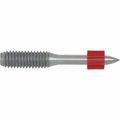

Anchor Bolts are mechanical fasteners that secure equipment, framing, or fixtures into concrete or masonry after the base material has already cured. Simpson Strong-Tie's Strong-Bolt 2 wedge anchor expands against the sides of a predrilled hole as the nut tightens, and it carries a code listing for both cracked and uncracked concrete, including seismic and high-wind load conditions. Drop-in anchors work differently: an internally threaded body sets flush with the surface using a setting tool, then accepts a bolt that can be removed and reinstalled later for service work. Contractors choose between anchor types based on the load the fixture will carry, whether the concrete is solid or hollow, and whether the connection needs to stay serviceable after installation. HVAC and plumbing installers rely on anchor bolts constantly, from securing rooftop unit curbs and pipe supports to mounting equipment racks and panel boards directly into a slab or wall, so picking the correct anchor type for the base material and load keeps the connection reliable for the life of the installation.
Subcategories
- Wedge Anchors: Wedge anchors expand a clip at the embedded end against the sides of a predrilled hole as the nut is tightened, gripping the concrete mechanically rather than relying on adhesive. Simpson Strong-Tie's Strong-Bolt 2 carries a code listing for both cracked and uncracked concrete and performs well under seismic and high-wind loads. Contractors reach for wedge anchors on structural connections like ledger boards, equipment bases, and structural steel baseplates.
- Standard Drop-In Anchors: Drop-in anchors are internally threaded bodies that set flush with the concrete surface using a setting tool, then accept a machine bolt or threaded rod. DEWALT's Steel Dropin anchor comes in carbon steel as well as Type 304 and Type 316 stainless steel for corrosion resistance in wet or exposed conditions. Because the bolt threads in and out, drop-in anchors suit connections that need to be serviced or removed later, like pipe hangers and equipment mounts.
- Mini Drop-In Anchors: Mini drop-in anchors use the same internally threaded, setting-tool installation as a standard drop-in but in a shorter body suited to shallow embedment depths. DEWALT's Mini Dropin is built from carbon steel for applications where the concrete section is too thin for a full-length anchor. Installers pick this style when a structural detail limits how deep a hole can be drilled without breaking through the back of the concrete.
- Hollow-Set Drop-In Anchors: Hollow-set drop-in anchors are designed for hollow base materials like hollow concrete block or precast hollow-core plank, where a standard drop-in anchor wouldn't have solid material to expand against. DEWALT's Hollow-Set Dropin anchor is internally threaded like the solid-concrete version, allowing the same removable bolt connection. Installers specify this style specifically when the base material has voids rather than assuming a standard anchor will hold in the same location.
Buying Guide
Selecting the right anchor for a job starts with identifying the base material, since a wedge or standard drop-in anchor needs solid, hardened concrete to expand against, while a hollow-set anchor is built specifically for hollow block or precast hollow-core plank. Load type matters as much as base material when choosing Anchor Bolts: wedge anchors like Simpson Strong-Tie's Strong-Bolt 2 carry a code listing for cracked and uncracked concrete under seismic and high-wind conditions, making them a common choice for structural connections that see lateral or shear load. Drop-in anchors suit a different use case, since the internally threaded body accepts a bolt that can be removed and reinstalled, which matters for pipe hangers, conduit supports, or equipment mounts that might need service access later. Embedment depth also drives anchor selection: a mini drop-in anchor works in shallow concrete sections where a full-length anchor would break through the back of the slab, so checking the concrete thickness against the anchor's required embedment depth before drilling prevents a hole that goes too deep. Corrosion exposure is the last factor to check, since a carbon steel anchor in an exterior or damp location will eventually rust, while a Type 304 or Type 316 stainless steel drop-in anchor holds up in wet, exposed, or corrosive environments over the life of the installation.
Frequently Asked Questions
What's the difference between a wedge anchor and a drop-in anchor?
A wedge anchor expands a clip against the sides of a predrilled hole as the nut tightens, gripping concrete mechanically for a permanent connection. A drop-in anchor sets flush with the surface using a setting tool and stays internally threaded, so the bolt can be removed and reinstalled later for service work. Wedge anchors suit permanent structural connections, while drop-in anchors suit connections that might need future access.
Can anchor bolts be used in hollow concrete block?
Standard wedge and drop-in anchors need solid concrete to expand against, so they aren't the right choice for hollow concrete block or precast hollow-core plank. A hollow-set drop-in anchor is built specifically for these hollow base materials, using a design that grips the material differently than a solid-concrete anchor. Checking the base material before choosing an anchor type prevents a connection that doesn't reach its intended holding capacity.
Are wedge anchors rated for seismic or high-wind loads?
Some wedge anchors, like Simpson Strong-Tie's Strong-Bolt 2, carry a code listing specifically for cracked and uncracked concrete under seismic and high-wind load conditions. The code listing matters on jobs where the installation needs to meet a specific building code requirement rather than a general-purpose fastener. Confirming the code listing on the specific anchor model before specifying it on a code-driven project avoids a failed inspection.
What material should an anchor bolt be made from for outdoor use?
A carbon steel anchor works fine indoors but will eventually rust in an exterior, damp, or otherwise corrosive location. Type 304 and Type 316 stainless steel drop-in anchors hold up better in wet or exposed conditions over the life of the installation. Matching the anchor material to the environment it will sit in prevents a corrosion problem that shows up years after installation.
How deep should a hole be drilled for a drop-in anchor?
Drop-in anchor embedment depth depends on the specific anchor size and the manufacturer's published specifications, since drilling too shallow leaves the anchor without enough material to grip. A mini drop-in anchor is built for shallower concrete sections where a full-length anchor would break through the back of the slab. Checking the concrete thickness against the anchor's required embedment depth before drilling avoids a hole that goes too deep or too shallow.
