



Baldor Motors

 --%3E %3Csvg version='1.1' id='No-RB' xmlns='http://www.w3.org/2000/svg' xmlns:xlink='http://www.w3.org/1999/xlink' x='0px' y='0px' viewBox='0 0 100 100' enable-background='new 0 0 100 100' xml:space='preserve'%3E %3Cpath fill='%23CECECE' d='M79.44,0.95H20.56C9.78,0.95,0.95,9.78,0.95,20.56v58.87c0,10.79,8.82,19.61,19.61,19.61h58.87 c10.79,0,19.61-8.83,19.61-19.61V20.56C99.05,9.78,90.22,0.95,79.44,0.95z M65.38,58.24l9.38,29.58L49.69,69.78L24.5,87.82 l9.34-29.6L8.8,39.6l30.73-0.17c0,0,6.98-19.61,10-28.93c0.54,1.36,9.88,29.1,9.88,29.1H91.2L65.38,58.24z'/%3E %3C/svg%3E)
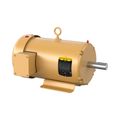
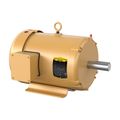
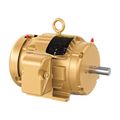
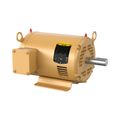
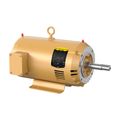

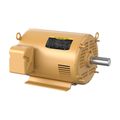
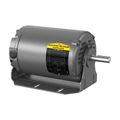
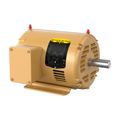
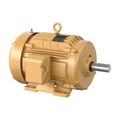
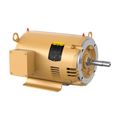
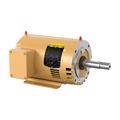
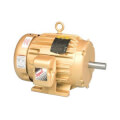
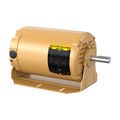
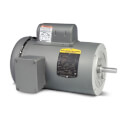
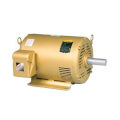
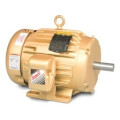
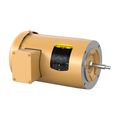
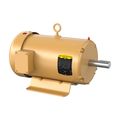
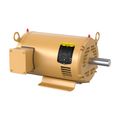
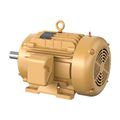
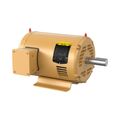
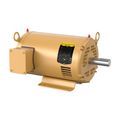
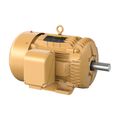
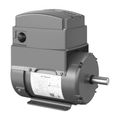
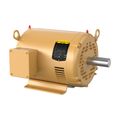
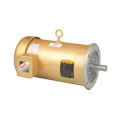
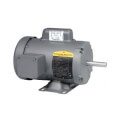
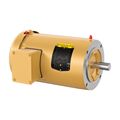
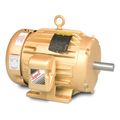
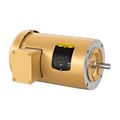
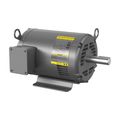
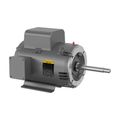
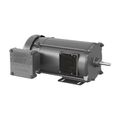

Baldor motors are industrial electric motors used to drive pumps, blowers, fans, and other mechanical equipment across commercial and industrial buildings. The lineup spans general purpose motors for straightforward belt or direct-drive applications as well as specialized designs built for washdown environments, explosion-proof requirements, or variable-frequency drive operation. Selecting the correct Baldor motor depends on matching horsepower, frame size, and enclosure type to the equipment it will replace, since substituting a motor with the wrong frame size can require modifying the mounting or drive coupling. Voltage and phase also need to match the building's electrical service, particularly on three-phase equipment where the wrong configuration will prevent the motor from running at all. Contractors replacing a failed motor on production equipment often prioritize matching these specifications closely enough to avoid downtime beyond a single service visit.
Subcategories
- General Purpose Motors: General purpose motors cover the most common industrial applications, including pump drives, fan drives, and general mechanical power transmission in indoor commercial settings. These motors are typically the most cost-effective option when the application does not involve harsh chemicals, washdown cleaning, or hazardous atmospheres. Frame size and horsepower are the primary specifications to match when replacing an existing motor. Contractors often keep a small stock of common frame sizes on hand for faster turnaround on routine motor failures.
- Washdown Duty Motors: Washdown duty motors are built with corrosion-resistant materials and sealed housings to withstand repeated exposure to water and cleaning chemicals, making them suited to food processing and similar environments. Standard general purpose motors installed in these conditions tend to fail prematurely as moisture works past seals not designed for constant washdown. Matching the motor's sealing rating to the facility's cleaning procedures helps avoid early replacement. These motors typically cost more upfront but reduce the frequency of motor failures in demanding environments.
- Explosion-Proof Motors: Explosion-proof motors are designed to contain any internal spark or arc so it cannot ignite flammable gases or dust present in the surrounding atmosphere, making them a requirement in certain industrial and hazardous-location applications. These motors are built to meet specific hazardous location classifications, and substituting a standard motor in a space requiring this rating is a code and safety violation, not just a performance shortfall. Facilities with hazardous location requirements should confirm the exact classification needed before ordering a replacement. This motor type is typically heavier and more expensive than a comparable general purpose model due to its reinforced housing.
- Inverter-Duty Motors: Inverter-duty motors are built with additional insulation and bearing protection to handle the electrical stress created by variable-frequency drives, which standard motors are not designed to tolerate over the long term. Running a general purpose motor on a variable-frequency drive without this added protection can shorten motor life through bearing damage and insulation breakdown. Facilities upgrading equipment to variable-frequency drive control should specify inverter-duty motors as part of that upgrade rather than reusing an existing standard motor. This motor type is identified by its insulation class and bearing protection features rather than by horsepower alone.
Buying Guide
Selecting a replacement from Baldor Motors starts with matching frame size, horsepower, and enclosure type to the motor being replaced, since a mismatch in any of these areas can require modifying the mount or drive coupling on otherwise compatible equipment. Voltage and phase configuration must also match the building's electrical service exactly, particularly on three-phase equipment, where an incorrect configuration prevents the motor from running rather than simply reducing performance. General purpose motors cover most indoor commercial applications and are typically the most economical choice when the environment does not involve washdown cleaning, corrosive chemicals, or hazardous atmospheres. Washdown duty motors are worth the added cost in food processing or similarly wet environments, where a standard motor's seals tend to fail well before its expected service life. Explosion-proof motors are a safety and code requirement in hazardous locations rather than an optional upgrade, so facilities operating in these spaces should confirm the exact hazardous location classification needed before ordering rather than assuming one explosion-proof rating covers every application. Equipment running on a variable-frequency drive should use an inverter-duty motor specifically, since standard motors lack the insulation and bearing protection needed to handle the electrical stress those drives introduce, and skipping this distinction is a common cause of premature motor failure after a drive upgrade.
Frequently Asked Questions
Can a standard Baldor motor be used with a variable-frequency drive?
Standard motors lack the added insulation and bearing protection that inverter-duty motors provide, so running one on a variable-frequency drive long term often leads to premature bearing or insulation failure.
What happens if a replacement motor has the wrong frame size?
A mismatched frame size typically requires modifying the mounting or drive coupling, so matching frame size to the original motor is one of the first steps in choosing a replacement.
Is a washdown duty motor necessary in every wet environment?
Washdown duty motors are most valuable in settings with repeated water or chemical exposure, such as food processing facilities, where standard motor seals tend to fail earlier than in typical indoor use.
Why can't a standard motor substitute for an explosion-proof motor?
Explosion-proof motors are built to contain internal sparks so they cannot ignite surrounding flammable gases or dust, and substituting a standard motor in a space requiring that rating is a safety and code violation.
What electrical specifications need to match when replacing a Baldor motor?
Voltage and phase configuration need to match the building's electrical service exactly, since an incorrect configuration on three-phase equipment will prevent the motor from running at all.
