




Filters
SORT
Product Availability –
Category –
Size –
Review Score –
 --%3E %3Csvg version='1.1' id='Fill' xmlns='http://www.w3.org/2000/svg' xmlns:xlink='http://www.w3.org/1999/xlink' x='0px' y='0px' viewBox='0 0 100 100' enable-background='new 0 0 100 100' xml:space='preserve'%3E %3Cpath fill='%23F15C02' d='M79.44,0.95H20.56C9.78,0.95,0.95,9.78,0.95,20.56v58.87c0,10.79,8.82,19.61,19.61,19.61h58.87 c10.79,0,19.61-8.83,19.61-19.61V20.56C99.05,9.78,90.22,0.95,79.44,0.95z M65.38,58.24l9.38,29.58L49.69,69.78L24.5,87.82 l9.34-29.6L8.8,39.6l30.73-0.17c0,0,6.98-19.61,10-28.93c0.54,1.36,9.88,29.1,9.88,29.1H91.2L65.38,58.24z'/%3E %3C/svg%3E)
 --%3E %3Csvg version='1.1' id='With-RB' xmlns='http://www.w3.org/2000/svg' xmlns:xlink='http://www.w3.org/1999/xlink' x='0px' y='0px' viewBox='0 0 100 100' enable-background='new 0 0 100 100' xml:space='preserve'%3E %3Cpath fill='%23FBC8B4' d='M79.44,0.95H20.56C9.78,0.95,0.95,9.78,0.95,20.56v58.87c0,10.79,8.82,19.61,19.61,19.61h58.87 c10.79,0,19.61-8.83,19.61-19.61V20.56C99.05,9.78,90.22,0.95,79.44,0.95z M65.38,58.24l9.38,29.58L49.69,69.78L24.5,87.82 l9.34-29.6L8.8,39.6l30.73-0.17c0,0,6.98-19.61,10-28.93c0.54,1.36,9.88,29.1,9.88,29.1H91.2L65.38,58.24z'/%3E %3C/svg%3E)
Price Range –
Barber Colman Valves

 --%3E %3Csvg version='1.1' id='No-RB' xmlns='http://www.w3.org/2000/svg' xmlns:xlink='http://www.w3.org/1999/xlink' x='0px' y='0px' viewBox='0 0 100 100' enable-background='new 0 0 100 100' xml:space='preserve'%3E %3Cpath fill='%23CECECE' d='M79.44,0.95H20.56C9.78,0.95,0.95,9.78,0.95,20.56v58.87c0,10.79,8.82,19.61,19.61,19.61h58.87 c10.79,0,19.61-8.83,19.61-19.61V20.56C99.05,9.78,90.22,0.95,79.44,0.95z M65.38,58.24l9.38,29.58L49.69,69.78L24.5,87.82 l9.34-29.6L8.8,39.6l30.73-0.17c0,0,6.98-19.61,10-28.93c0.54,1.36,9.88,29.1,9.88,29.1H91.2L65.38,58.24z'/%3E %3C/svg%3E)
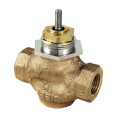
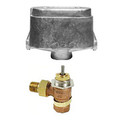
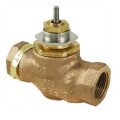

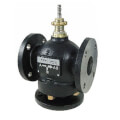
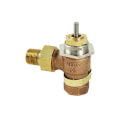
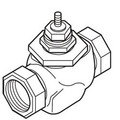
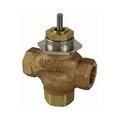
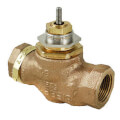

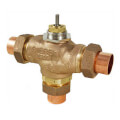
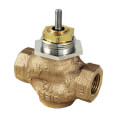
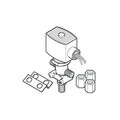
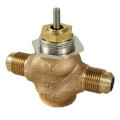
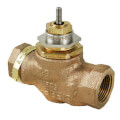
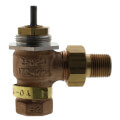
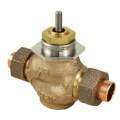

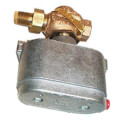
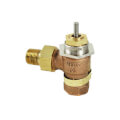
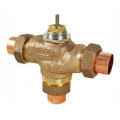
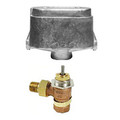
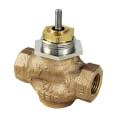
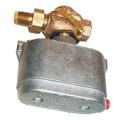
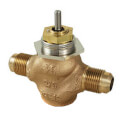
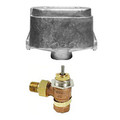
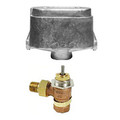

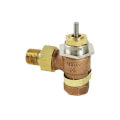

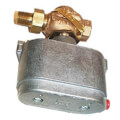
Barber Colman valves are pneumatic and electric control valves originally built for building automation and HVAC system control, and they remain widely installed in commercial buildings, schools, and hospitals across the country. These valves regulate the flow of hot water, chilled water, or steam through a coil or heat exchanger in response to a signal from a thermostat or building automation controller. Facility and controls technicians keep replacement Barber Colman valves and actuators on hand because swapping out a failed valve on an older pneumatic system is often more practical than replacing the whole control loop. Common configurations include two-way and three-way valve bodies paired with pneumatic or electric actuators sized to match the original system. Sourcing the correct valve body, port size, and actuator combination matters most here, since an older building automation system won't tolerate a mismatched replacement without added wiring or tubing work.
Subcategories
- Two-Way Valve Bodies: Two-way valve bodies control flow through a single coil or heat exchanger circuit, opening or closing in response to the actuator's signal. Facility techs use them on terminal units like fan coils and unit heaters where full shutoff is needed at the coil. Matching the port size and pipe connection type to the existing piping avoids extra fitting work during a swap. These bodies pair with either pneumatic or electric actuators depending on the building's control system.
- Three-Way Valve Bodies: Three-way valve bodies divert flow between two paths instead of simply shutting it off, which keeps constant flow through a system while directing hot or chilled water to a coil only when needed. Buildings with older constant-flow hydronic loops rely on these valves to maintain system balance. Replacing a three-way body with a two-way unit on the same system can upset the flow balance elsewhere in the loop, so matching valve type matters as much as matching size. Technicians typically confirm the original piping configuration before choosing a replacement.
- Pneumatic Actuators: Pneumatic actuators use compressed air pressure from a building's control air system to drive the valve stem open or closed. Older Barber Colman installations commonly use this actuator type, and replacement actuators are sized to match the spring range and stroke of the original unit. Technicians check the control air pressure at the actuator during troubleshooting, since a worn diaphragm or a control air leak are common causes of a sluggish or unresponsive valve. Rebuilding kits are available for some actuator models as a lower-cost alternative to full replacement.
- Electric Actuators: Electric actuators use a motor-driven stem instead of compressed air, which is common on Barber Colman valves installed or retrofitted into newer direct digital control systems. These actuators typically run on 24-volt control signals and can be matched to the existing valve body without replacing the piping. Facility staff favor electric actuators when a building has already moved away from pneumatic control air infrastructure. Confirming the actuator's voltage and control signal type against the existing wiring prevents a mismatch during installation.
Buying Guide
Sourcing the right Barber Colman valve starts with identifying whether the existing system uses a two-way or three-way valve body, since swapping the wrong type can throw off flow balance elsewhere in the loop. Pulling the model number and port size off the existing valve body, when it's still legible, is the most reliable way to confirm a compatible replacement. On older installations where the tag has worn away, matching the pipe size and connection type against the piping is the next best option.
Actuator compatibility is just as important as the valve body itself. Pneumatic actuators need to match the original spring range so the valve modulates correctly across the same control air pressure band, while electric actuators need to match the voltage and control signal already wired into the system. Mixing an incompatible actuator with an otherwise correct valve body is a common cause of a replacement that doesn't behave like the original.
For buildings still running pneumatic control systems, keeping a rebuild kit on hand alongside a full replacement valve gives technicians a faster, lower-cost repair option when the issue is a worn diaphragm or seal rather than a failed valve body. Barber Colman valves installed decades ago are often still serviceable, so confirming whether a rebuild kit will solve the problem before ordering a full replacement can save both time and material cost on the call.
Frequently Asked Questions
How is a two-way valve different from a three-way valve on these systems?
A two-way valve shuts off flow entirely to stop heating or cooling at a coil, while a three-way valve diverts flow between two paths to maintain constant flow through the loop. Older constant-volume hydronic systems typically use three-way valves for this reason. Swapping valve types on the same system can throw off the flow balance in other zones, so confirming the original configuration first matters.
Can a pneumatic valve be replaced with an electric actuator?
In many cases yes, provided the valve body itself is compatible and the building's control wiring can supply the actuator's required voltage and signal type. This kind of swap usually comes up when a building is transitioning away from pneumatic control air toward direct digital controls. Confirming the valve body's actuator mounting and stroke length against the new actuator's specifications avoids a mismatch.
What causes a Barber Colman valve to stick or respond slowly?
A worn actuator diaphragm, a control air leak, or mineral buildup inside the valve body are common causes of sluggish operation. Checking control air pressure at the actuator is a quick first troubleshooting step on pneumatic systems. If the valve body itself is scored or corroded internally, a rebuild kit may not fully resolve the issue and a full replacement becomes the more reliable fix.
Are rebuild kits available instead of replacing the whole valve?
Rebuild kits covering the diaphragm, seals, and other wear components are available for a number of actuator models, offering a lower-cost repair when the valve body itself is still in good condition. This works well on pneumatic actuators where the diaphragm is the most common failure point. If the valve body is leaking or the seat is damaged, a full valve replacement is typically the better long-term fix.
How can the correct port size be confirmed on an older installation?
Checking the model number stamped on the valve body is the most direct way to confirm port size and configuration, though on decades-old installations the stamp can be worn illegible. Measuring the existing pipe connection and comparing it against the piping already in place is a reliable fallback. Facility drawings or prior service records, when available, can also confirm the original valve specification.
